How coordinated strategies for critical mineral mining can drive Southern Africa’s industrial growth
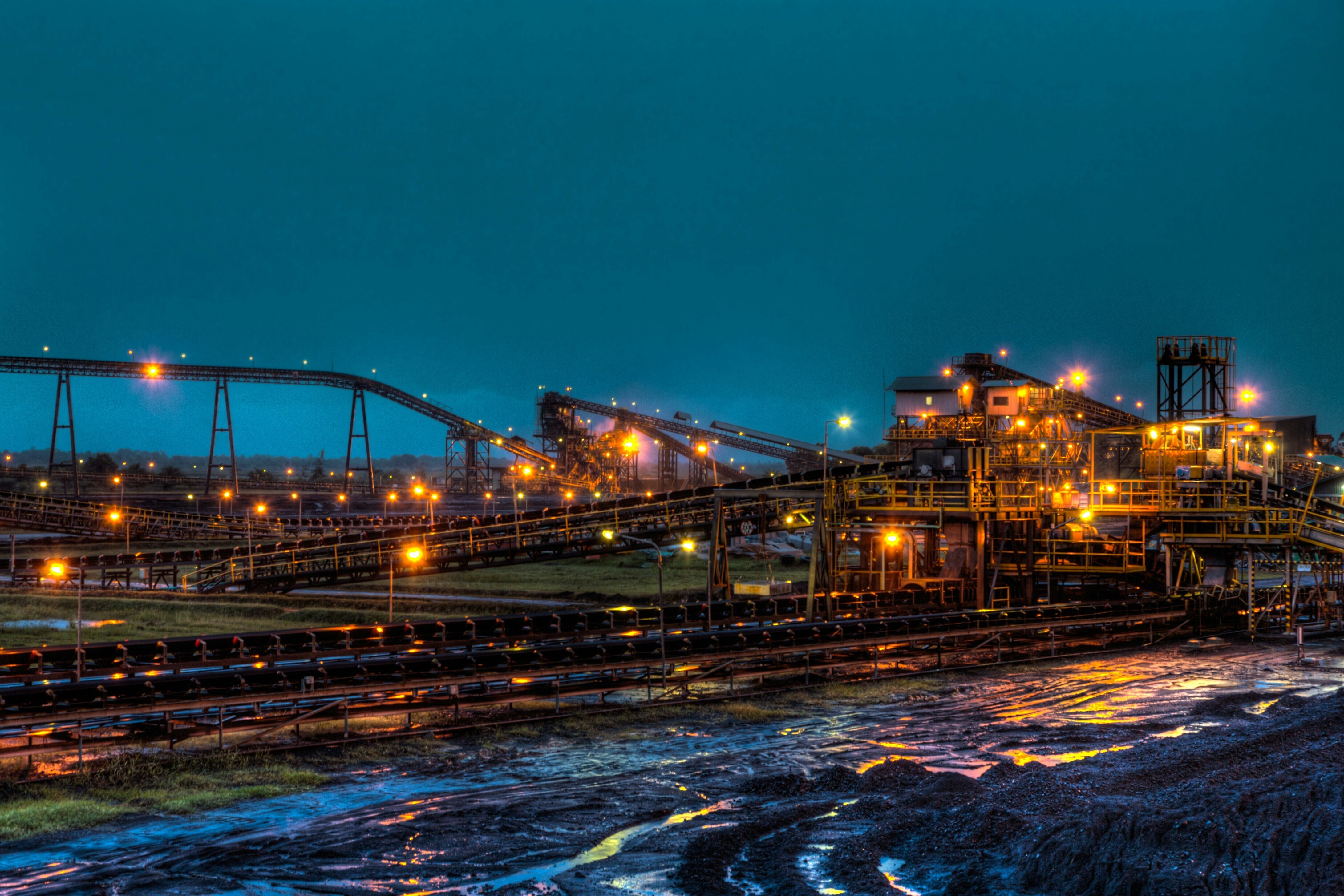
Boosting mining value chains and addressing challenges can unlock growth in the era of green transformation. Image: Dominic Vanji/Unsplash
Rian Coetzee
Divisional Executive, Industry Planning and Project Development, Industrial Development Corporation of South AfricaUmeesha Naidoo
Industry Development Planner: Mining and Metals, Industrial Development Corporation of South Africa- Rising global demand for critical minerals amid the green transformation creates economic opportunities for Southern Africa.
- Through integrated value chains, strategic partnerships and innovative financing, the region's critical mineral sector can be unlocked.
- Institutions like South Africa's IDC are developing coordinated, region-wide approaches to position the region as a key player for the future.
The Southern African Development Community (SADC) region stands on the cusp of a new industrial era, propelled by rising global demand for critical minerals essential to the green transition. As the world accelerates towards decarbonization, the region’s mineral wealth offers both immense opportunity and complex challenges. Through value-added processing and regional collaboration, Southern Africa can capture greater economic value and build resilience across minerals value chains.
Although the region is one of the world’s top three supply hubs for critical minerals, production still lags behind its potential due to high-risk exploration funding, limited processing capacity and infrastructure gaps. Progress is further held back by price volatility and geopolitics.
South Africa’s Industrial Development Corporation (IDC) views the development of regional critical mineral value chains as both an input and an enabler of industrialization.
Unlocking mineral wealth
Unlocking Southern Africa’s critical mineral potential requires deliberate, coordinated action across entire mining value chains. This includes ensuring responsible exploration, extraction, processing, logistics and end-use manufacturing. The region already produces battery-grade aluminium plate, manganese, nickel and vanadium precursors. It also boasts established midstream and downstream capabilities in aluminium, copper, steel and chrome.
SADC’s true mineral wealth can be unlocked by leveraging South Africa’s well-established, robust industrial base, technical expertise and the region's processing capabilities. South Africa’s mining capital equipment industry delivers machinery and services globally, driving value addition and job creation.
Key strategic priorities to unlock Southern Africa’s potential include:
Value chain integration: A holistic approach spanning mining, precursor manufacturing, cell manufacturing, and battery system development for both stationary and mobile storage should be followed. Other value chains linked to electrification and digitization also present major opportunities.
Commodity focus: Competitive production is essential. The region should prioritize commodities where it has or can build a competitive advantage, with an emphasis on cost-curve positioning and infrastructure readiness.
Geographic coordination: Securing raw materials and fostering in-country value addition is vital. Processing may occur outside national borders but within the region, leveraging relative strengths.
Partnerships: Collaboration with multinationals and junior miners is key for accessing technology, capital and markets. Support for junior miners differs from that for major players. Both bilateral and multilateral partnerships can unlock further opportunities.
Industrial policy: Policies should incentivize local beneficiation, support logistics and energy, and consider multi-country special economic zones (SEZs).
Innovation: New mechanisms such as listed funding platforms for junior miners and regional trading platforms are needed.
Finance: The role of development finance institutions is crucial for de-risking investments and catalysing project development.
The IDC’s critical minerals approach
The IDC focuses on 17 minerals aligned with South Africa’s National Critical Minerals Strategy, all vital for the global energy transition to renewable energy, EVs, grid infrastructure, hydrogen and battery storage.
IDC’s approach is built on collaboration and strategic partnerships with both the public and private sectors, through proactive, targeted investments designed to add value locally and regionally. IDC’s role in supporting critical minerals value chains includes:
- Building a pipeline of bankable projects through co-development and funding of feasibility studies.
- Establishing blended funding mechanisms with global development finance institutions.
- Launching a Junior Mining Exploration Fund to increase exploration and secure future production
- Partnering with companies to develop the battery value chain, focusing on chemicals, component manufacturing, and battery pack assembly for both stationary and mobile applications.
The IDC’s approach is illustrated by its support for the development of projects such as a large-scale battery-grade manganese project in Kanye, Botswana – a partnership between Menzi Battery Minerals and Giyani Metals. The initiative involves building a 115,000 tonnes p/year high-purity manganese sulphate monohydrate plant, vital for EV batteries.
A related project sees the IDC, alongside institutional investors, funding a demonstration plant, operated by Giyani, in South Africa to support mining and beneficiation growth in the region. With plans for future equity involvement, the project is in advanced stages of development and will position the country as a leading global supplier of battery-grade manganese.
Addressing project-level and financing tensions
For SADC to flourish as a global leader in mining value chains, the IDC has identified several challenges that need to be resolved on a project level:
Timing mismatches: Critical mineral mines take many years to reach production, while battery and automotive industries innovate on much faster cycles. This mismatch can create supply gaps when mining output cannot meet near-term demand. Stronger coordination and better planning between upstream producers and downstream manufacturers is essential to stabilise the supply chain.
Technology lock-in: Rapid advancements in renewable energy and EV technology can quickly make mineral project investments obsolete. To avoid stranded assets, companies should design adaptable projects and focus on modular, future-proof operations that can adjust to evolving technologies and shifting market demands.
Skills gap: The skills that are available for traditional mining operations differ from those required for advanced chemical processing and value addition. As the region develops its critical minerals value chain, targeted education, training and industry partnerships are needed to build a workforce that supports all stages of activity.
Complex development models: Critical mineral projects are difficult because each mineral requires different processing, serves different markets and involves many stakeholders. Governments, financiers and technology partners must coordinate closely. Successful projects depend on clear governance, aligned interests and the ability to adapt to shifting market and technology conditions.
Financing hurdles: Securing funding is a significant challenge, especially for early-stage exploration and development. Equity capital is limited and traditional project finance often requires off-take agreements with established buyers. This can restrict local beneficiation and value addition by favouring raw material exports. The high risk of exploration and the lack of dedicated funding platforms make financing even more difficult. Innovative financing, risk-sharing and dedicated exploration funds are needed to attract investment and support critical mineral value chains.
A call to action
Southern Africa’s critical minerals are central to the world’s green industrial future. Realizing this potential requires more than resource extraction; it demands strategic choices, robust partnerships, innovative financing, and a focus on inclusive, sustainable growth. Through resilient value chains and regional cooperation, Southern Africa can supply the world’s critical minerals and drive its own industrial transformation.
Don't miss any update on this topic
Create a free account and access your personalized content collection with our latest publications and analyses.
License and Republishing
World Economic Forum articles may be republished in accordance with the Creative Commons Attribution-NonCommercial-NoDerivatives 4.0 International Public License, and in accordance with our Terms of Use.
The views expressed in this article are those of the author alone and not the World Economic Forum.
Stay up to date:
Africa
Related topics:


Forum Stories newsletter
Bringing you weekly curated insights and analysis on the global issues that matter.
More on Global CooperationSee all

Shoko Noda
March 9, 2026


