Causeways and connectivity: How the GCC is rewiring regional integration
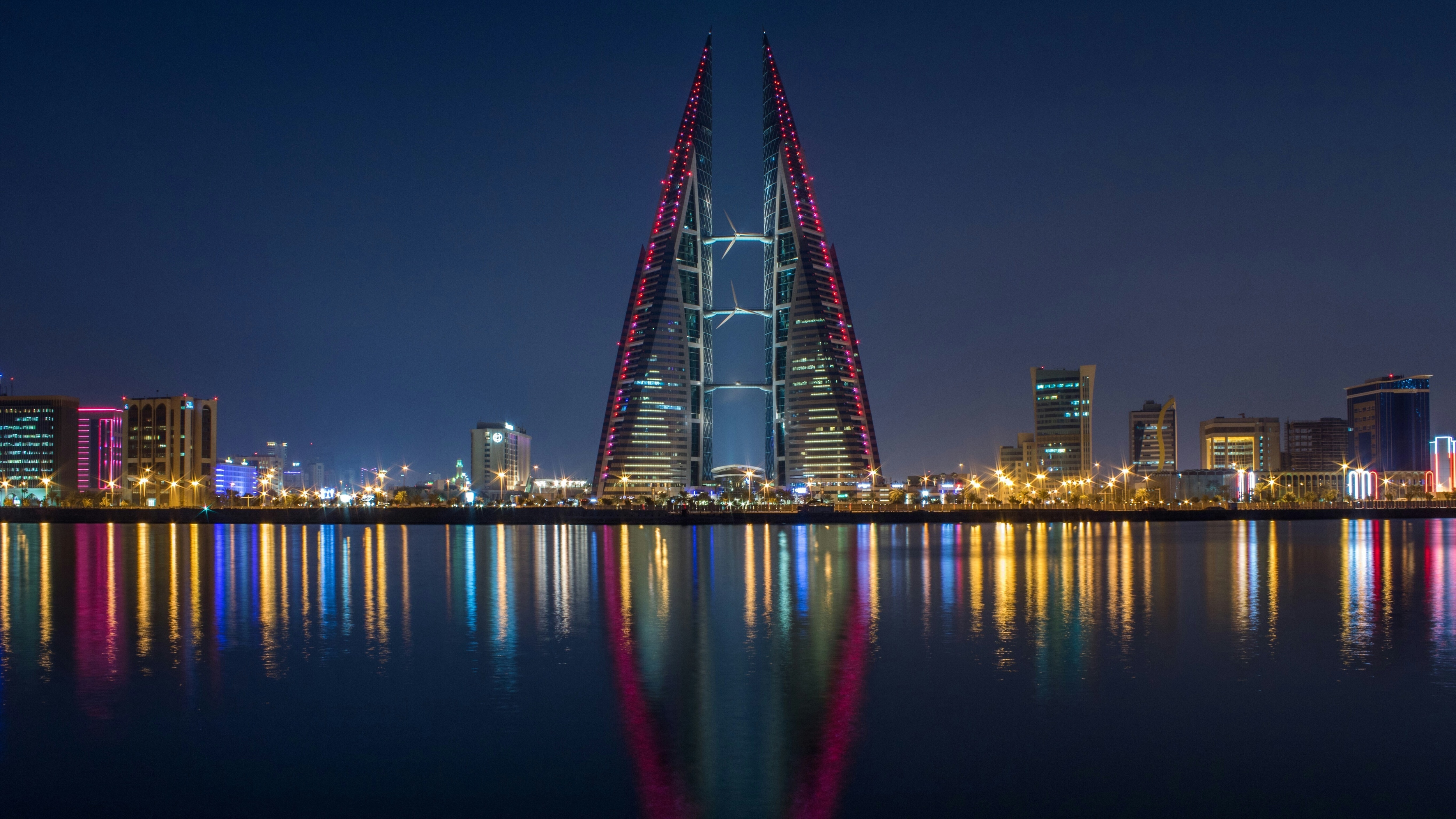
The GCC region is keeping markets open to foreign investment. Image: Charles-Adrien Fournier/Unsplash
Abdulla bin Ahmed Al Khalifa
Minister of Transportation and Telecommunications of Bahrain, Ministry of Transportation and Telecommunications of Bahrain- While some countries are putting in place barriers to trade, the GCC region is keeping markets open to foreign investment.
- The mega infrastructure projects of the Gulf are set to transform the region’s connectivity and economic potential.
- This approach offers opportunity and insight into how strategic infrastructure development can support connectivity in an increasingly divided world.
Global trade is getting tougher.
Geopolitical fragmentation, connectivity disruptions and global tensions have all made moving both goods and data across borders trickier and often more expensive.
As many nations turn inward, the Gulf Cooperation Council (GCC) is keeping markets open to foreign investment while pursuing economic diversification. Central to this approach is the region’s ambitious connectivity agenda, investing heavily in linking our economies through road, rail, air, sea and cable. These efforts aim to transform a region of distinct economies into a unified, resilient economic corridor, capable of providing a wide avenue of trade to the rest of the world.
All roads lead to trade
Technology may have transformed trade over the centuries, but roads and transport infrastructure remain its backbone. And while other regions seek to modernize legacy systems constrained by existing infrastructure, the GCC has been able to build cutting-edge connectivity from the ground up, enabling the region to bypass older systems and effectively futureproof its transport networks for 21st-century trade.
The island nation of Bahrain, where I serve as the minister of transportation and telecommunications, serves as a gateway to the GCC region, which has a combined GDP of $2.37 trillion, and offers seamless access to the region’s largest market, Saudi Arabia, by air, sea and road.
The planned King Hamad Causeway – a second link between Bahrain and Saudi Arabia – will blend road freight and rail into a single corridor. The causeway will be part of the wider GCC Railway, an initiative that will connect the states of the GCC through a railway network spanning 2,117 kilometers. Described as one of the region’s most transformative infrastructure projects, it is set to catalyse intra-regional trade and is expected to transport 95 million tonnes of goods by 2045.
Transport and logistics are prominent in both Bahrain and Saudi Arabia’s long-term development strategies. Riyadh’s King Abdulaziz Public Transport Programme, including the recently opened Riyadh Metro, and Bahrain’s planned multi-phase Metro Network Project, aim to make moving within cities as seamless as commuting between them.
Taking to the skies
As global trade has expanded, air has become another crucial trade route. Today, the Gulf’s strategic location has made it a global aviation hub for passengers and cargo alike.
Bahrain’s airport modernization programme in 2022 was a major boost to regional air travel, adding a new award-winning passenger terminal, Express Cargo Village, multi-storey car-park, while upgrading the airport with the latest technology. The Bahrain International Airport was awarded Gold LEED certification for its sustainable design and operation and, in 2025, won three Skytrax World Airport Awards. Meanwhile, our national carrier, Gulf Air, expanded its network with direct flights to New York, reconnecting Bahrain to North America.
A recent letter of intent (LOI) between Capital A Berhad (the parent company of AirAsia) and the Government of Bahrain has also signalled a partnership to explore establishing Bahrain as AirAsia’s Middle East hub. The LOI outlines collaboration across future airline operations, cargo and logistics, maintenance capabilities and talent development.
Meanwhile, Bahrain’s aviation infrastructure has expanded through Texel Air’s growth journey in the Kingdom. Texel Air runs an aircraft maintenance facility at Bahrain International Airport, providing comprehensive cargo operation and maintenance services. In June 2025, Texel Air signed a Memorandum of Understanding with Bahrain Airport Company to grow its operations even further, developing a new 7,000-square-metre Code C aircraft hangar, along with an additional 10,000 square metres of apron, manoeuvring and taxiway area.
On the other hand, Dubai is one of the world’s most bustling air traffic centres – as well as the national hub for Emirates. This travel hub is set to expand even further, with investment reaching $35 billion. The expanded airport will be able to receive 260 million passengers annually, and 12 million tonnes of cargo, making it the largest hub in terms of capacity.
Meanwhile, Saudi Arabia has commenced construction on its own mega-airport, the King Salman International Airport. Set to be completed in 2030, the airport will have six runways and have capacity for up to 100 million passengers, boosting the region’s position as a hub for tourism, trade and transport ahead of hosting the FIFA World Cup in 2034.
Integrating sea and air
Bahrain’s Khalifa bin Salman Port blends the Kingdom’s historic maritime heritage with advanced modern technology. Operated by APM Terminals, it has become the region’s first fully solar-powered seaport. Its strategic proximity to Bahrain International Airport and the King Fahd Causeway, combined with its technological advancements and operational efficiencies, have earned it recognition as the world’s most efficient small port.
The port’s integration with Bahrain International Airport, through the Global Sea-to-Air Hub, also dictates how modern logistics can increase efficiency across global and regional trade. A streamlined clearance procedure has enabled a two-hour end-to-end bonded lead time between port and airport, slashing delivery times by half and costs by 40% compared to other routes.
Digital connectivity
For every item we truck or ship, even more are sent hurtling through fibre cables. In the Age of Intelligence, digital connectivity is now as vital to the GCC’s vision for a future-ready economy as physical infrastructure.
Projects like Beyon’s investment in building a 21,700-kilometre undersea telecommunications cable system connecting Bahrain with 14 other countries, the Fibre in Gulf (FIG) cable, connecting seven GCC countries, and the 2Africa Pearls cable passing through Bahrain are critical for boosting data capacity, reducing latency and enhancing the resilience of digital infrastructure across the Gulf.
With the addition of these cables, Bahrain’s digital sector will have the foundation to build and run thriving businesses: stable access, and faster transactions and processing. Bahrain’s digital infrastructure is already among the best in the world, and these projects bolster the country’s capacity to lead in a digital-first world.
Building bridges
The mega infrastructure projects of the Gulf are set to transform the region’s connectivity and economic potential. Enhanced air, sea and land links are making the region more accessible for international visitors while strengthening the flow of inter-GCC tourism. Trade flows should become smoother for goods, digital work faster for businesses and the region’s economy benefits through job creation, revenue growth and expanded trade.
Through these significant investments, the Gulf is looking to demonstrate how regional integration can create resilience in a time of global fragmentation. By building both physical and digital bridges, the GCC is creating a strong foundation for both economic growth and stability. For global investors and policy-makers, this approach offers opportunity and insight into how strategic infrastructure development can support connectivity in an increasingly divided world.
Don't miss any update on this topic
Create a free account and access your personalized content collection with our latest publications and analyses.
License and Republishing
World Economic Forum articles may be republished in accordance with the Creative Commons Attribution-NonCommercial-NoDerivatives 4.0 International Public License, and in accordance with our Terms of Use.
The views expressed in this article are those of the author alone and not the World Economic Forum.
Stay up to date:
Infrastructure


Forum Stories newsletter
Bringing you weekly curated insights and analysis on the global issues that matter.
More on Geographies in DepthSee all

Zainab Azizi
April 7, 2026