Opinion
How local stablecoins could help Latin America’s economies
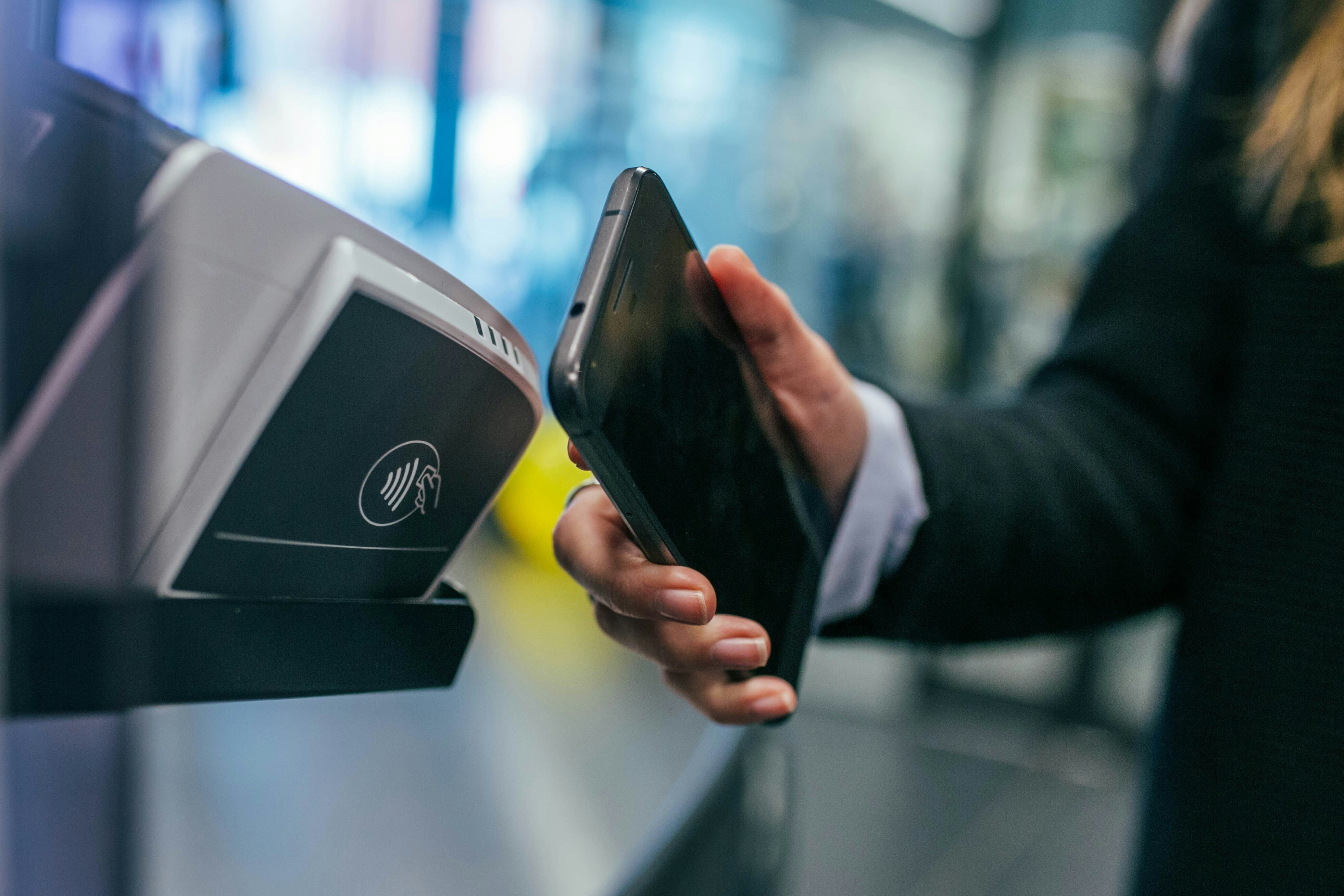
Could local stablecoins provide a solid foundation for Latin America's long-term prosperity? Image: Unsplash/JonasLeupe
- Stablecoins could help to address ongoing financial issues that affect people and businesses across Latin America.
- Current offerings are typically pegged to foreign monetary systems, as opposed to local stablecoins backed by domestic currencies.
- The latter could promote solid, long-term economic health across the region by strengthening local monetary systems.
People across Latin America have suffered from financial pressures such as inflation and limited access to banking services for decades, making it harder for families to build capital and for businesses to operate efficiently.
Dollar-backed stablecoins like Tether’s USDT have recently emerged as a useful workaround, providing people in the region with an easier way to store – and move – value. While these new products can be helpful, they are issued abroad and pegged to foreign monetary systems. As a result, they cannot provide a solid foundation for the region’s long-term prosperity – at least not alone.
To truly modernize their economic infrastructure, Latin American countries will need to start using local stablecoins that are backed by their own domestic currencies. Encouraging both innovation and resilience means embracing digital assets that strengthen the role of local currency, local financial institutions and local monetary authorities.
Securing monetary sovereignty
Dollar-based stablecoins can provide a hedge against inflation for Latin Americans, but relying too heavily on foreign-issued digital dollars poses long-term strategic risks.
When people settle transactions in digital US dollars rather than in local currency, the domestic monetary base becomes less relevant. If a significant share of commerce migrates to foreign-pegged assets, it will weaken the tools policy-makers use to manage liquidity, influence credit conditions and respond to domestic challenges.
Local stablecoins could help Latin Americans modernize their currencies without relinquishing control over their money supply – technological improvements shouldn’t come at the expense of a nation’s monetary independence.
Issuing stablecoins locally also offers stronger regulatory guarantees. In this case, stablecoins would operate under a clear domestic framework rather than depending on foreign issuers who may change policies, freeze funds or even withdraw from a market entirely. A well-regulated local stablecoin keeps liquidity at home, in alignment with national monetary goals.
Reducing cash handling costs
Physical cash is expensive to move, store, secure and insure. For countries with high crime, large informal economies or challenging geographies, the costs of cash infrastructure can be substantial. Latin American consumers sometimes face long lines to pay utility bills and may incur added risks when large cash transactions are unavoidable — think of showing up to a car dealership with a suitcase full of money.
Local stablecoins can ease these burdens in a way that foreign-issued ones cannot. They could make everyday payments safer and simpler while remaining anchored to a currency people already understand and trust. Crucially, they could expand the reach of digital transactions to populations that may lack access to traditional card networks or find electronic payment fees prohibitive.
Deeper integration with the local financial system
The real potential of local stablecoins becomes clear when considering integration with domestic financial products, however.
Most investment instruments in Latin America – money-market funds, government bonds, credit products and corporate paper – are denominated in local currency. As the region starts tokenizing these assets (that is, turning them into digital tokens that anyone can hold and trade on a blockchain), they will need to be integrated with local stablecoins. This could help investors to move between bank balances, stablecoins and local financial products with greater efficiency.
It would also provide market makers with natural incentives to make these investment assets highly liquid. Arbitrage incentives would emerge. Yield optimization strategies would take shape. None of this would replace the banking system, it would simply extend the economy’s reach into digitally native environments where consumers and institutions increasingly expect to transact.
Such integration could deepen investment in local capital markets as well. Retail investors would gain new, easier pathways to low-risk savings vehicles like money-market funds, while businesses would benefit from smoother working-capital cycles. Local stablecoin usage could also enhance demand for bonds, making it easier for the region’s various governments to issue debt and finance themselves.
There would also be benefits for the region’s start-ups. Latin America’s tech talent is growing, but the region often depends on foreign platforms for its financial innovations. Local stablecoins could provide a foundation for home-grown infrastructure with wallets tailored to local rules, remittance solutions optimized for regional corridors, micropayment apps for digital services and lending platforms priced in a currency that matches a borrower’s income.
These products would keep value within the region and stimulate high-skilled job creation. More importantly, they would allow Latin American entrepreneurs to solve Latin American problems using Latin American money.
Improving government efficiency
A digital version of a domestic currency could also become a powerful tool for public-sector modernization. Governments across Latin America spend billions each year on subsidies, pensions, education support, agricultural assistance and emergency relief. But the distribution of these funds is sometimes slow or vulnerable to mismanagement.
Local stablecoins could improve this system. Governments could use them to make payments programmable, traceable and less susceptible to leakage. In disaster situations – when speed matters most – a stablecoin-based system would make it easier for governments to provide immediate relief. And even for day-to-day activities, transfers would occur with fewer delays and administrative overhead would be lessened.
More importantly, an auditable ledger would enhance accountability. Public spending could be tracked more transparently, improving tax oversight, anti-money laundering compliance and public confidence.
Dollar-based stablecoins opened an important door for Latin America by showing that digital money can deliver speed and accessibility far beyond what legacy systems currently allow. But Latin America now needs to take ownership of this technology. The region’s long-term economic health depends on strengthening local currencies, not sidelining them.
Don't miss any update on this topic
Create a free account and access your personalized content collection with our latest publications and analyses.
License and Republishing
World Economic Forum articles may be republished in accordance with the Creative Commons Attribution-NonCommercial-NoDerivatives 4.0 International Public License, and in accordance with our Terms of Use.
The views expressed in this article are those of the author alone and not the World Economic Forum.
Stay up to date:
Latin America
Related topics:


Forum Stories newsletter
Bringing you weekly curated insights and analysis on the global issues that matter.
More on Financial and Monetary SystemsSee all

Matt Strahan and Daniel Murphy
April 9, 2026


