What is light construction and how can it drive more adaptable, sustainable building?
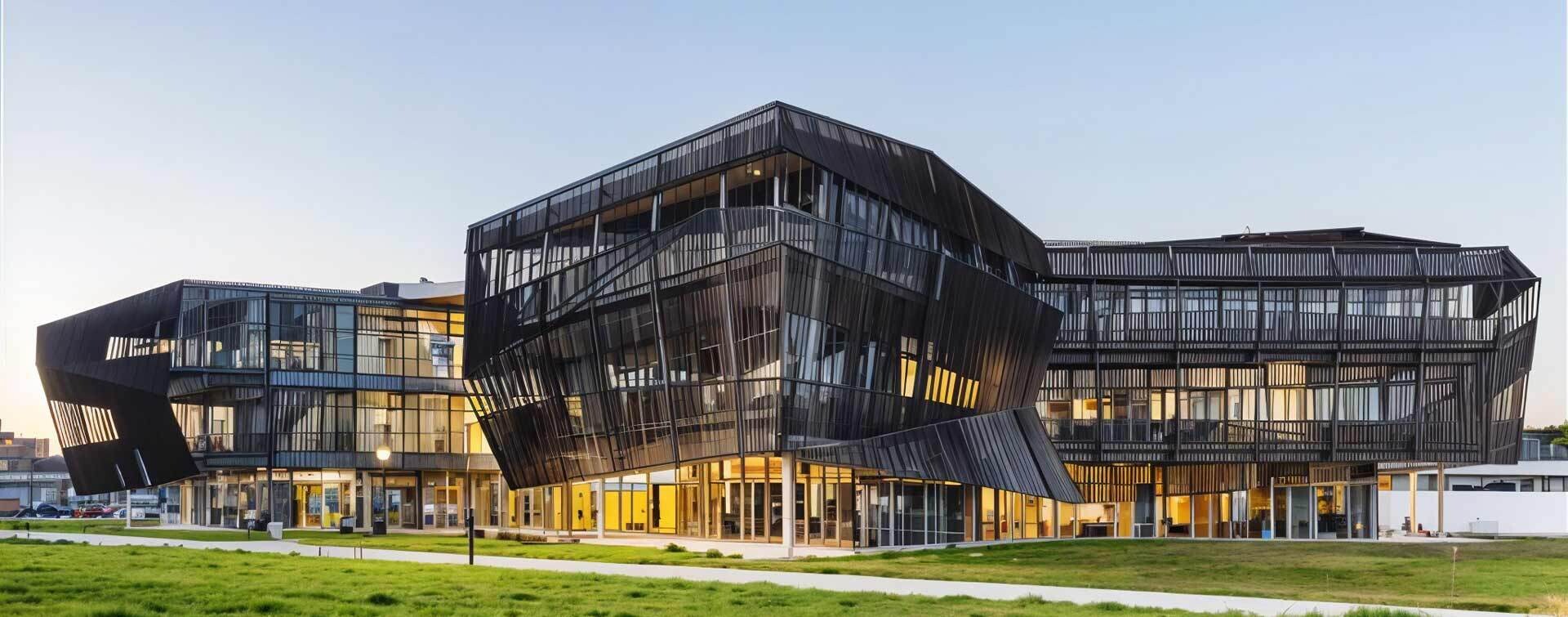
Light construction projects: The Ravenna Municipal Administration Offices (Italy) Image: Lorenzo Bartoli/Saint-Gobain
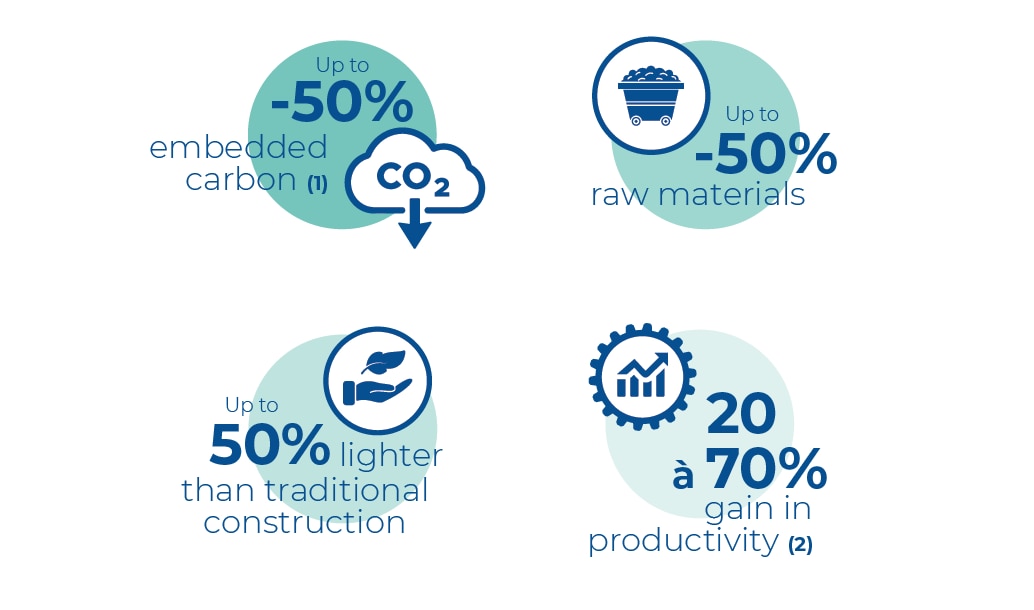
- The construction sector is responding to climate challenges, with “lighter construction” offering a sustainable solution, including through limited resource extraction and fewer carbon dioxide emissions.
- Reduce heat loss, greater availability of materials and lower costs mean homes can be built more comfortably and more affordably while reducing budgets for larger construction projects with safer conditions.
- Accelerating light construction methods depends on upskilling stakeholders in the value chain, an improved regulatory framework and better access to data.
In response to climate challenges and demographic shifts, the construction sector is undergoing a major transformation.
More agile and sustainable approaches, such as light construction, are offering faster, more responsible solutions for today’s evolving needs.
What is light construction?
Light construction, unlike traditional construction, which relies on heavy materials such as concrete or brick, favours lighter load-bearing structures.
For example, timber, metal or concrete “skeletons” can have attached to them non-load-bearing façade and partition systems (interior or exterior walls that do not support the building’s structural weight, serving functions such as insulation, weather protection, fire resistance, acoustic separation and spatial organization).
These structures can be an appropriate and sustainable solution for reducing the carbon footprint of buildings, while meeting the demands of cost, speed and comfort.
By reducing the use of heavy, carbon-intensive materials, light construction limits the extraction of natural resources and energy consumption, thus avoiding carbon dioxide emissions and promoting circularity.
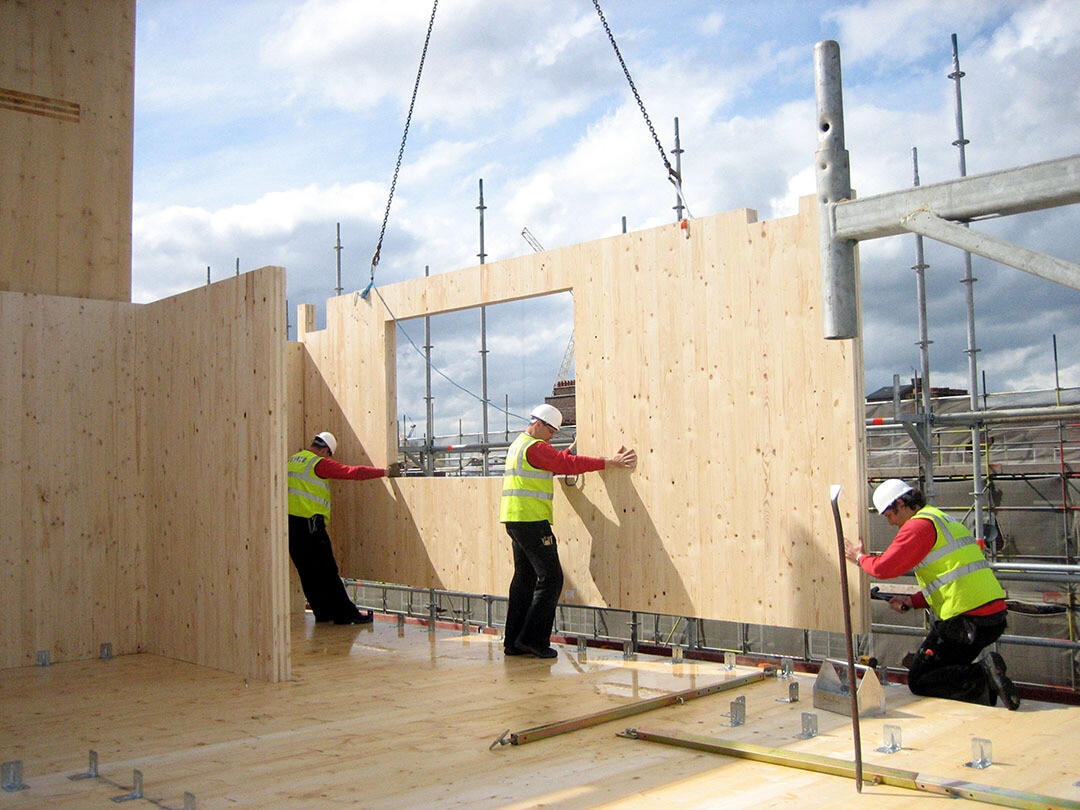
In addition, off-site construction of all or part of the building results in less waste and disruption on the construction site.
What are the economic and social benefits of light construction?
Lighter construction does not mean reducing the comfort level and performance of the building, particularly in terms of energy efficiency. It thus provides access to decent, comfortable housing for as many people as possible.
In North America, light construction is a key solution to the huge demand for affordable housing. The use of wood in lightweight construction is common, for example, in North America and Northern Europe, as it is an affordable and accessible resource. Proper forest management in these countries also limits tree destruction, ensuring the sustainability of the solutions.
From an energy point of view, the use of wood in the structure of lightweight buildings reduces heat loss through thermal bridges, for example, where two walls meet.
This method has also been key to restoring cities highly exposed to natural disasters, a result of a warming planet.
In Türkiye, this construction method has proved essential for rapid rebuilding after the 2023 earthquakes and for building with lighter structures that would cause less serious consequences in the event of another collapse.
The approach also facilitates the move towards more adaptable and reversible buildings that meet the challenges of urban flexibility and changing needs and lifestyles. This provides an advantage at the end of a building's life, as it can be easily dismantled and reused elsewhere or recycled.
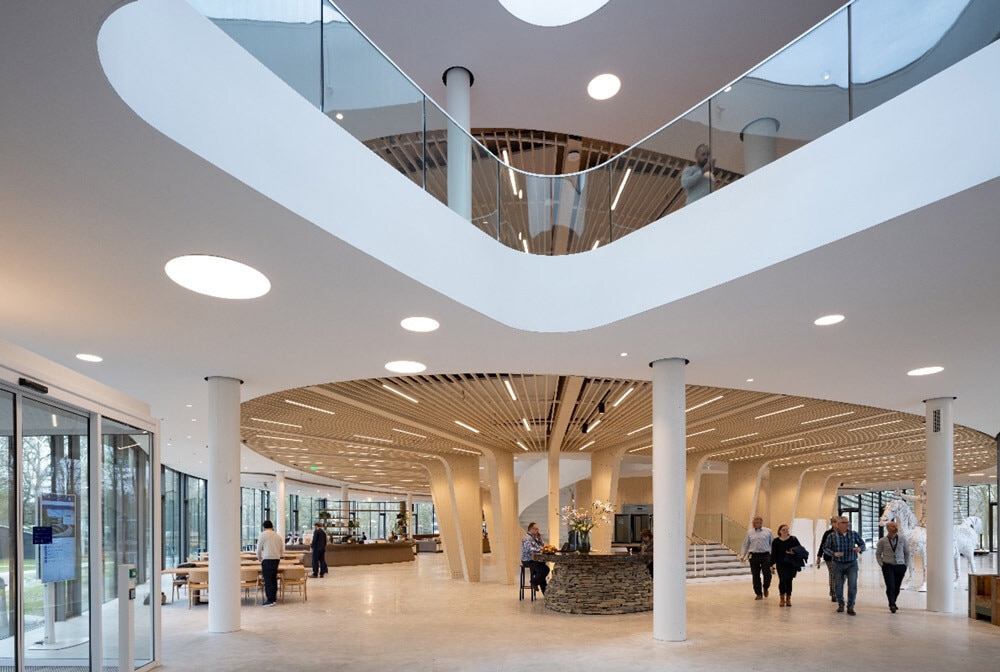
Triodos Bank (Netherlands), designed by RAU Architects and Ex Interiors, is the first wooden office building that can be completely dismantled. The building was designed as a materials bank, with all physical components indexed and recorded on the Madaster platform to facilitate reuse in case the building is ever dismantled.
Assembled using 165,312 screws, the structure can be fully deconstructed, enabling a 100% circular potential without any loss in the value of materials, components or products.
The design of the Ravenna Municipal Administration Offices in Italy is based on optimizing energy efficiency, making the most of the characteristics of the building envelope.
Particular attention was thus paid to light and natural air circulation. This is reflected in the use of green roofs, large insulating windows and the spectacular architecture of the facade, which acts as a sunshade.
From the earliest design phases, the use of environmentally friendly materials was a priority. In addition, each component can be replaced or serviced individually without requiring complete disassembly. This build optimizes the overall maintenance and management costs throughout the project life cycle.
Beyond its ecological advantages, light construction provides an effective response to budgetary and time constraints. The lightness of the materials allows for simpler foundations, shorter construction times and lower costs.
Off-site construction can save up to 30% in time compared with conventional methods. For example, in Catalonia, a 108-bed hospital designed using modular elements was built in just four months. This not only saved time but also improved working conditions and site safety, thanks to less handling and more factory-fabricated elements.
How can we accelerate light construction methods?
To accelerate the widespread adoption of lightweight construction, three key levers must be activated:
1. Upskilling in the value chain
A critical step is strengthening the skills and knowledge of all stakeholders across the value chain, including architects, engineers, contractors, craftsmen, developers and public authorities.
Each must be trained in the specific materials, assembly techniques, energy performance expectations and often industrialized processes associated with lightweight solutions.
Building this collective expertise will not only ensure high-quality results but also help build trust in methods that are still sometimes seen as alternative or experimental. This cultural shift could play a major role in moving the industry toward more agile, sustainable and resilient practices.
2. Improved regulation
Lightweight construction would also benefit greatly from more supportive and long-term regulatory frameworks. Targeted incentives, such as investment grants, innovation subsidies or favourable tax mechanisms, could encourage more project owners to adopt these solutions.
Just as important is the need for stable, clear and harmonized regulatory frameworks that allow professionals to plan ahead and invest confidently. Institutional support is essential for establishing lightweight construction as a key pillar in public policy for ecological transition and sustainable development.
3. Better data
Finally, easier and more open access to lifecycle assessment data is essential. Lifecycle assessments evaluate the environmental impact of a building throughout its entire life cycle, from material production to end-of-life.
These insights are crucial for making informed design decisions, comparing technical options and meeting growing sustainability requirements. Yet today, such data is often scattered, hard to access or not user-friendly.
Creating shared, standardized and easily accessible lifecycle assessment databases and digital tools would enable better decision-making, increase transparency and accelerate the integration of lightweight construction into mainstream building practices.
Light construction could make a mark on our cities. It could speed up the race to decarbonize construction and renovation and make it easier to meet the growing demand for healthy, sustainable housing.
Don't miss any update on this topic
Create a free account and access your personalized content collection with our latest publications and analyses.
License and Republishing
World Economic Forum articles may be republished in accordance with the Creative Commons Attribution-NonCommercial-NoDerivatives 4.0 International Public License, and in accordance with our Terms of Use.
The views expressed in this article are those of the author alone and not the World Economic Forum.
Stay up to date:
Sustainable Development


Forum Stories newsletter
Bringing you weekly curated insights and analysis on the global issues that matter.
More on Built Environment and InfrastructureSee all

Shahid Ahmed
February 17, 2026


