Middle East crisis: 6 things Asia is doing to manage the fallout
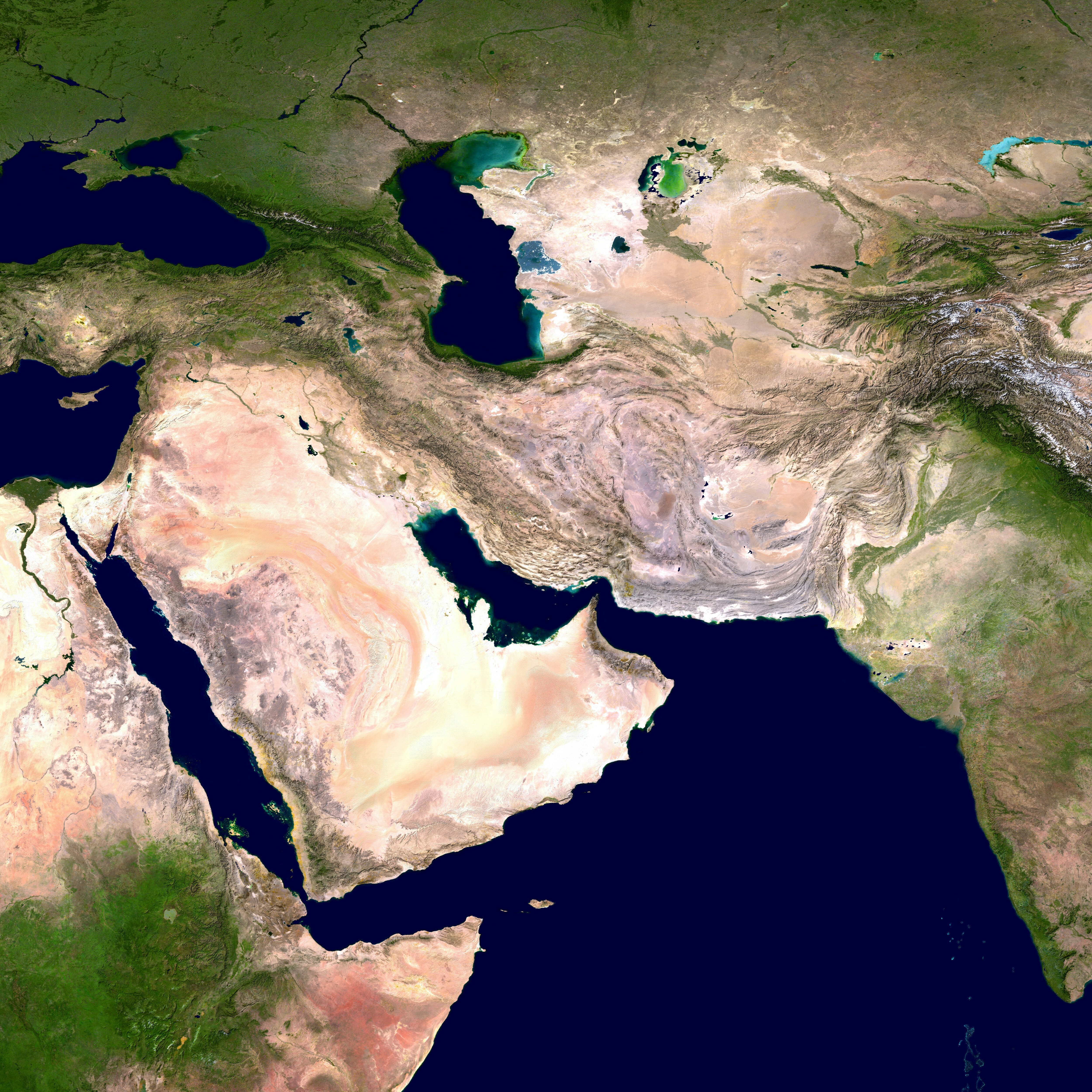
The fallout of the Middle East crisis has created oil and gas shortages across the world, particularly in Asia. Image: Unsplash/USGS
- Asian economies are disproportionately affected by Middle East crisis due to their dependence on oil and gas imports from the region.
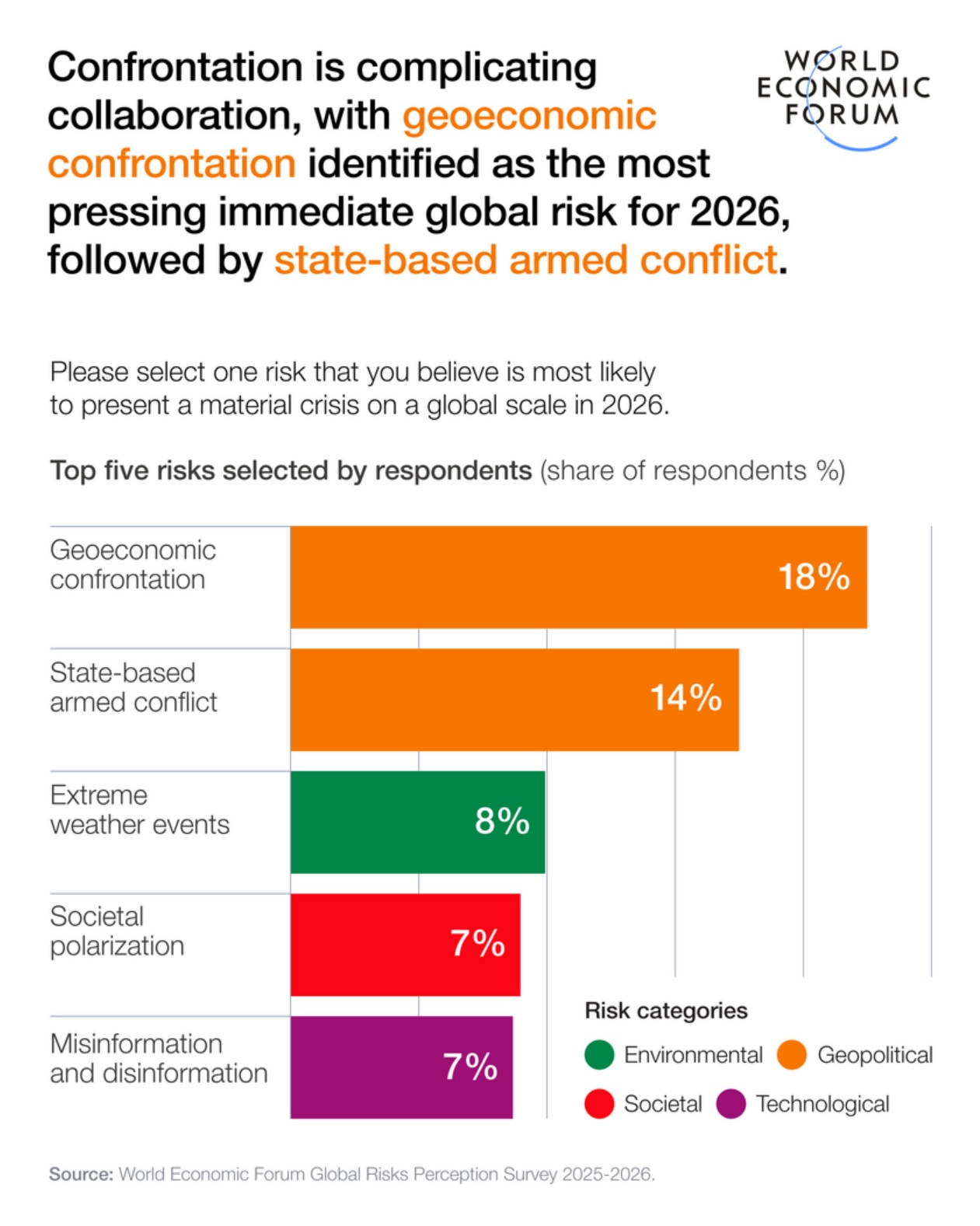
- The World Economic Forum's Global Risks Report 2026 ranks geoeconomic confrontation as the foremost short-term concern.
- Here are six measures countries and companies in Asia have adopted to manage the fallout.
The Middle East conflict in Iran is affecting some of the world’s key supply chains: a fifth of global oil is transported via the Strait of Hormuz, which is currently blocked. The Strait also handles a similar share of international liquid natural gas (LNG) trade.
Oil and gas are not only vital fuels, they are also feedstocks for many other products, meaning the blocked chokepoint connecting the Persian Gulf and the Gulf of Oman is having wide ripple effects across the globe.
Import-dependent Asian economies are disproportionately affected by the blockage because the vast majority of the oil and gas delivered via the Strait is destined for these countries.
To cope with the disruption to their energy imports, governments and businesses across Asia have come up with some unusual solutions.
Swapping suits for T-shirts in Thailand
Thailand is promoting a shift from suits to T-shirts for workers to lessen reliance on air conditioning. Government offices have been advised to set air-conditioning temperatures between 26-27°C, reduce elevator use and share cars. The country’s energy mix is heavily dependent on imported gas and oil (68.2%).
“BYOF” in India
IT services companies in India advised staff to bring their own food due to the Middle East crisis affecting cafeterias. To mitigate LNG shortages, many reduced food offerings or sourced cooked meals from external kitchens. Cognizant uses alternative vendors that use electric or solar cooking. HCLTech implemented a work-from-home policy when cafeteria vendors couldn't operate, and Cognizant is considering hybrid work if oil prices stay high.
Shifting to electricity
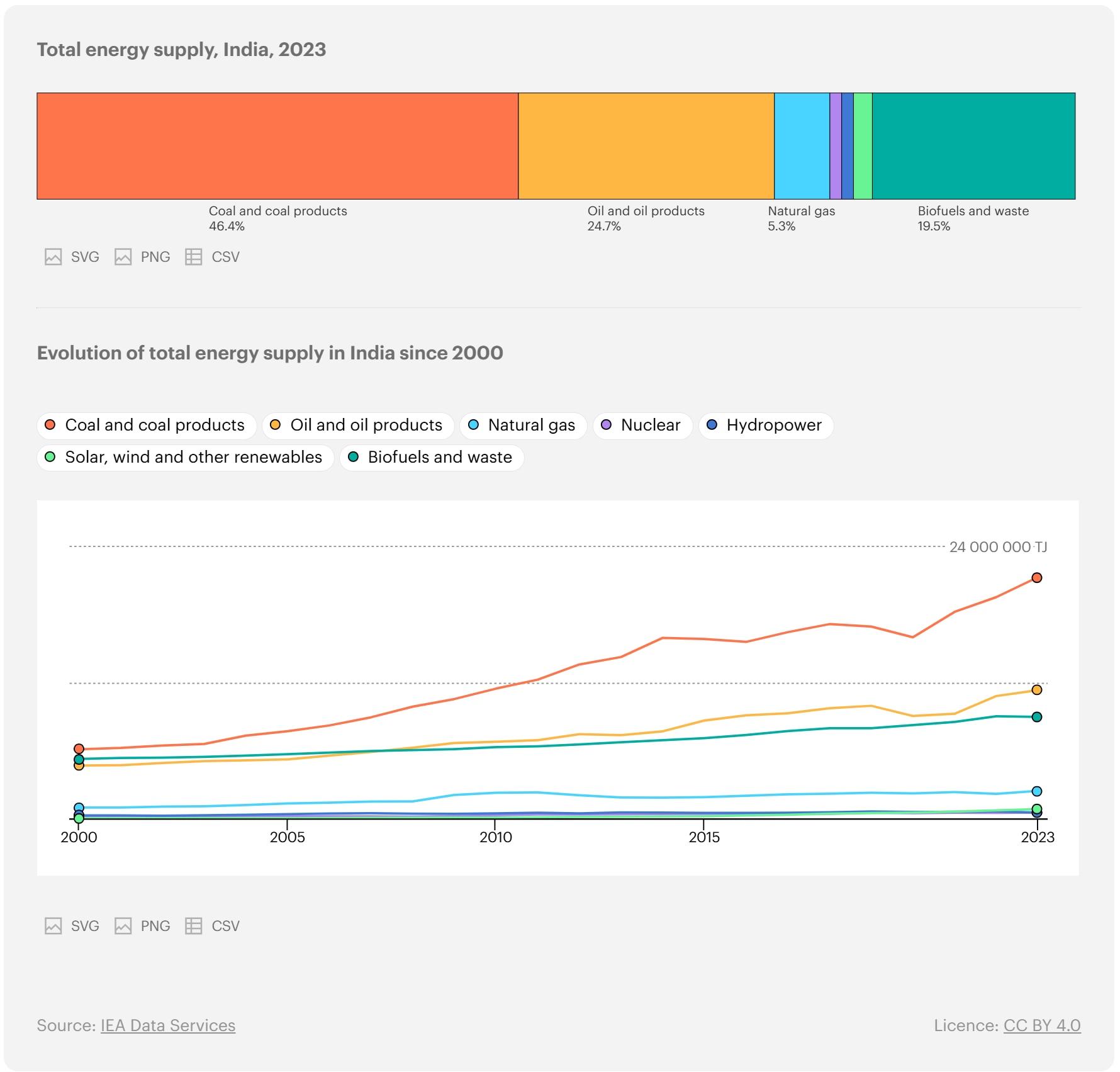
India’s Cognizant is also exploring a shift to electric vehicles for communities to reduce exposure to rising fuel costs. With 74% of India’s electricity still generated by coal-fired power plants, this could cushion escalating fuel costs but may lead to a rise in fossil-fuelled power generation. For example, South Korea has just lifted its cap on coal-fired power generation – along with boosting nuclear plant output – to counter the Middle East crisis. Even so, analysts view the current crisis as a driver for the energy transition by making renewable energy sources more cost-competitive with fossil fuels.
A four-day working week
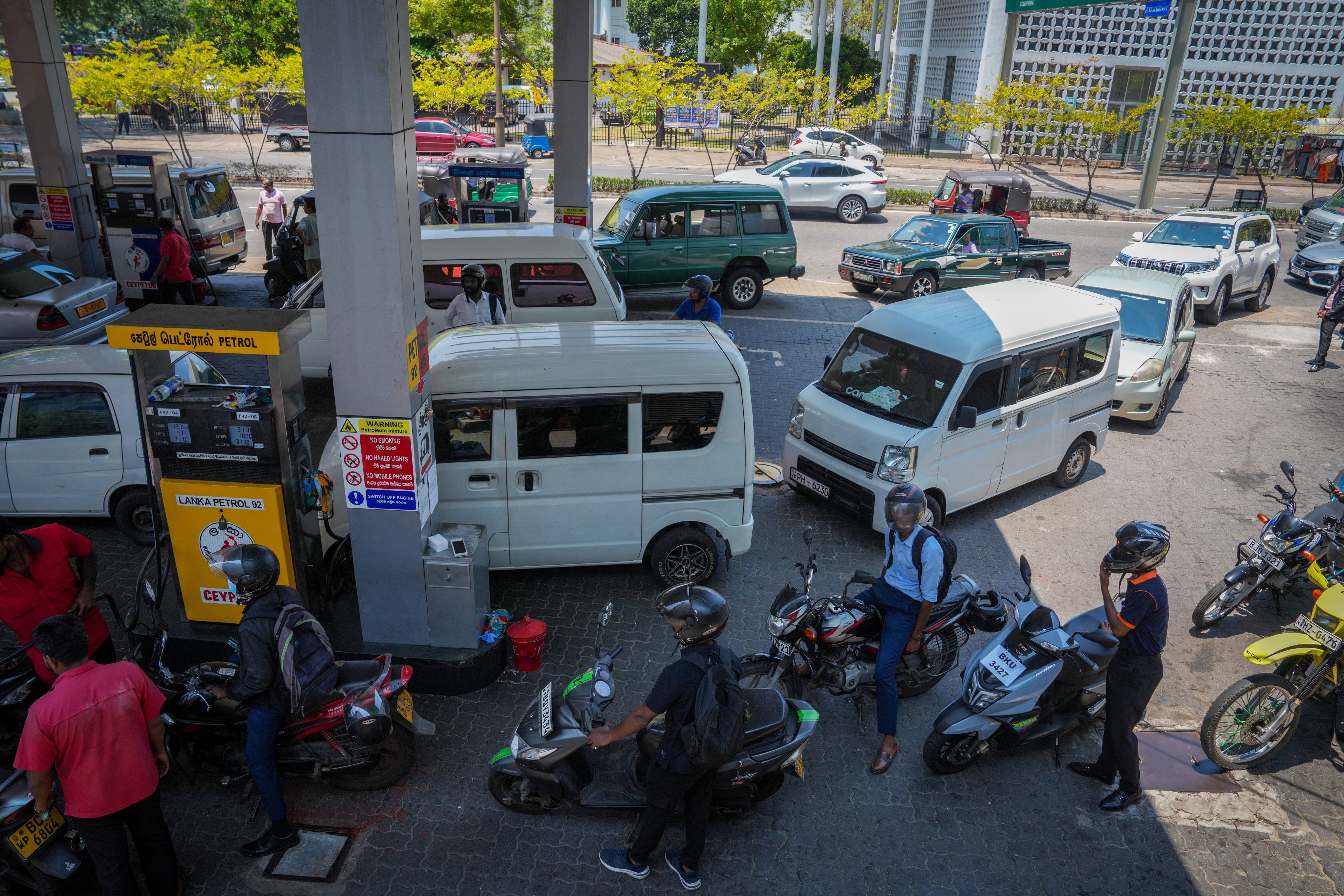
Several Asian countries have introduced a four-day workweek to cut back on fuel consumption. These include the Philippines and Pakistan. Sri Lanka has declared Wednesdays holidays for its public institutions, while Indonesia is evaluating both a four-day week and working from home as ways of managing fuel demand.
Driving restrictions in Myanmar
In a move reminiscent of the 1970s oil crisis, Myanmar’s government has imposed driving limits to conserve fuel. With the exception of electric vehicles, private cars and motorbikes will only be allowed on the roads every other day. Road access will be determined by licence plate numbers, with even-numbered plates operating on even dates and odd-numbered plates on odd dates.
Extended Eid holidays for universities
In Bangladesh, universities have been closed for over a week, bringing forward the Eid al-Fitr holidays as part of emergency measures to reduce electricity and fuel consumption. The closure adds to the ongoing government and private school holidays for Ramadan. The government hopes this will ease pressure on the country’s power grid, as residential halls, classrooms, laboratories, and air conditioning will not be in use. Oil and gas make up over three-quarters of Bangladesh’s energy mix and generate 87.5% of its electricity.
Preparing for future shocks
The World Economic Forum’s Global Risks Report 2026 ranks geoeconomic confrontation as the foremost concern for risk professionals in the short term, highlighting how it impacts our interconnected globalized economy.
Rising headwinds against multilateralism and the established rules-based international order heighten the risks of both economic and military conflicts, as demonstrated by Ukraine and Iran.
For governments and businesses alike, it will be essential not only to prepare for future shocks but, as the Forum indicates, to form “coalitions of the willing” that can progress collaboratively when a global approach is not feasible.
License and Republishing
World Economic Forum articles may be republished in accordance with the Creative Commons Attribution-NonCommercial-NoDerivatives 4.0 International Public License, and in accordance with our Terms of Use.
The views expressed in this article are those of the author alone and not the World Economic Forum.

Forum Stories newsletter
Bringing you weekly curated insights and analysis on the global issues that matter.
More on Geographies in DepthSee all

Abdulla bin Ahmed Al Khalifa
February 25, 2026


