Opinion
NFL players: Here's why financial literacy is a game-changer for student-athletes
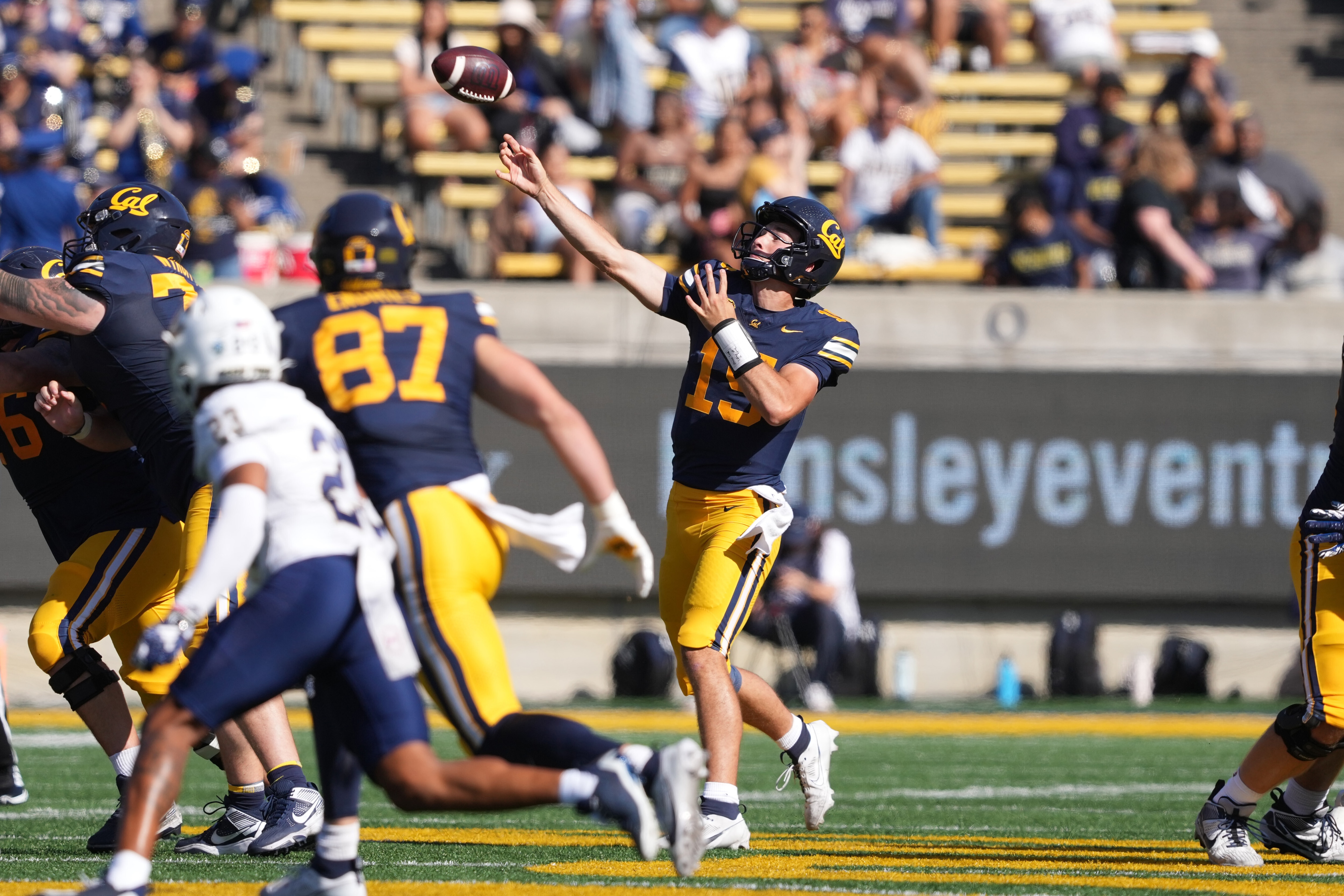
Changes in Name, Image and Likeness rights is making financial literacy critical for student athletes. Image: REUTERS/USA TODAY Sports
- The shift from amateurism to Name, Image and Likeness rights has unlocked billions in earnings for student-athletes in the United States.
- Many athletes face complex contracts, taxes and sudden income without the knowledge to manage them effectively, making financial literacy critical.
- Universities and governing bodies need to embed mandatory financial and life-skills training to ensure long-term athlete wellbeing.
As current and former National Football League (NFL) players, we have experienced firsthand the opportunities – and challenges – that come with earning money as an athlete.
Such experiences have underscored the value of financial education and literacy programmes, especially for young athletes competing at universities in the United States. This issue is particularly important today as the introduction of Name, Image, and Likeness (NIL) rights has fundamentally transformed the landscape of college athletics.
For most of the 20th century and early 2000s, the US National Collegiate Athletic Association (NCAA) operated under a strict “amateurism” model. Athletes could receive scholarships but any outside compensation – even something as small as signing autographs for money – could make them ineligible.
Critics argued that this system was increasingly unfair, especially as college sports became a multibillion-dollar industry in which student-athletes generated significant revenue for universities, media companies and sponsors while being restricted from earning compensation beyond scholarships.
That changed in 2021, when the NCAA adopted an interim NIL policy allowing athletes to profit from their personal brands. Instead of maintaining a blanket prohibition, it allowed athletes to sign endorsement deals, monetize social media and profit from appearances, camps and merchandise all without losing eligibility, so long as they followed state laws and school guidelines.
This shift was the result of top athletes gaining celebrity-level traction and social following, highlighting their market value, alongside landmark legal cases such as O'Bannon v. NCAA, which argued that restricting athlete compensation violated antitrust laws.
NCAA model under pressure
Later, NCAA v. Alston dealt a major blow to the NCAA’s model, with the US Supreme Court signalling scepticism toward its compensation limits.
While this shift has opened unprecedented opportunities, it has also introduced a new and urgent challenge: the need for strong financial literacy among student-athletes navigating the NIL marketplace.
For many players, ourselves included, the jump into the NFL is as much a life shock as a career change. One day, you’re a college athlete, possibly coming from a background where money was tight or carefully managed.
Next, you’re signing a contract worth more than your entire family has ever seen. That kind of sudden wealth doesn’t just change your bank account, it changes your relationships, pressures and decision-making overnight.
Schools and athletic programmes often focus everything on performance, leaving gaps in understanding other fundamentals such as taxes, investments, credit or even basic budgeting.
For many college athletes – some barely out of high school – the NIL era represents their first exposure to substantial income, contracts, taxes and brand partnerships.

The athlete economy
Deals can range from modest local sponsorships worth a few hundred dollars to six- and seven-figure agreements with national brands. Per the 2024 Opendorse report, NIL deals generated over $1.2 billion in revenue in the 2023-2024 period and the market is projected to exceed $2.5 billion by 2025-2026.
Without a solid understanding of financial basics such as budgeting, tax obligations, contract terms and long-term wealth management, student-athletes may struggle to make informed decisions about their earnings and opportunities and can be more susceptible to exploitative agreements.
Couple that with family and friends depending on you, agent and brand demands pulling you in different directions and – for the majority – a short career where every dollar matters and no road map to manage it all, then there is a quiet kind of stress.
Athletes might feel like they should know what to do but no one ever taught them. And when mistakes happen, including overspending, trusting the wrong people or not planning for life after football, they can be magnified because the stakes are so high.
Financial literacy in the NIL space goes far beyond simply knowing how to manage money. It also involves understanding the broader business ecosystem that now surrounds college athletics.
Student-athletes must evaluate endorsement contracts, negotiate compensation structures, recognize predatory arrangements and understand the legal and tax implications tied to their earnings.
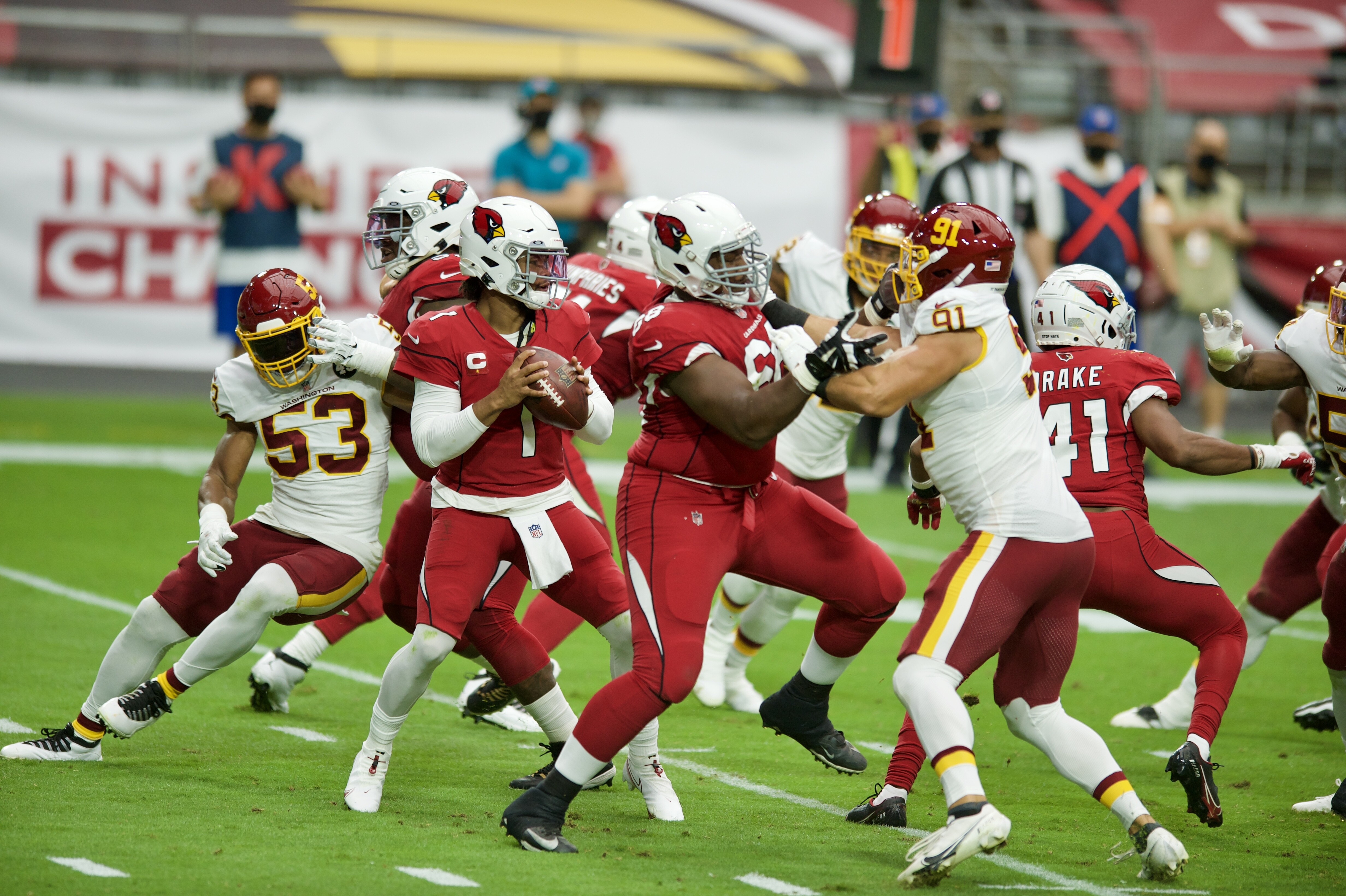
Bridging the financial gap
These responsibilities resemble those faced by professional athletes and entrepreneurs, yet many college athletes have received little formal preparation in these areas.
In a 2022 NCAA survey of over 9,800 athletes, 49% indicated a need for educational resources specifically on tax and financial literacy. In the same study, only 9% of student-athletes had ever met with a financial counsellor.
The stakes are particularly high because NIL earnings can arrive quickly and unexpectedly. A viral social media moment or a standout season can suddenly elevate an athlete’s market value, bringing in sponsorship offers and appearance opportunities.
Without proper guidance, a rapid influx of income may lead to poor financial decisions, inadequate tax planning, or vulnerability to exploitative agents and advisors who often benefit personally at the expense of the athlete.
As the NIL ecosystem continues to evolve, universities, athletic departments and governing bodies are beginning to recognize that education must accompany opportunity.
Financial literacy programmes tailored specifically to NIL realities can equip athletes with the knowledge they need to protect their earnings, build sustainable financial habits and leverage their personal brands responsibly.
Embedding life skills
According to Forbes, schools may distribute up to $20.5 million annually per institution to athletes under new compensation systems and more than 1,800 brands are currently involved in NIL deals with college athletes.
In addition to the influx of capital, colleges and universities must also implement a mandatory life skills programme that includes financial literacy education, so students can learn firsthand how to manage their earnings and take personal control of their financial futures.
Players who succeed long-term are often the ones who ask questions early, build a trustworthy team, learn the basics themselves rather than outsourcing everything and plan for the reality that football won’t last forever.
At its core, it’s a story about transition, in professional sports, responsibility, identity and long-term stability – about making money and learning how to keep it, grow it and protect your future.
For many players, that means going through a crash course in adulthood under a spotlight, where the cost of trial and error is much higher than it is for most.
Ultimately, the success of the NIL era should not be measured solely by the revenue athletes generate but also by their ability to convert short-term opportunities into long-term financial stability.
More than beneficial, developing financial literacy among student-athletes is essential to ensuring that NIL fulfils its promise of empowering the very individuals it was designed to support.
Don't miss any update on this topic
Create a free account and access your personalized content collection with our latest publications and analyses.
License and Republishing
World Economic Forum articles may be republished in accordance with the Creative Commons Attribution-NonCommercial-NoDerivatives 4.0 International Public License, and in accordance with our Terms of Use.
The views expressed in this article are those of the author alone and not the World Economic Forum.
Stay up to date:
Financial and Monetary Systems
Related topics:


Forum Stories newsletter
Bringing you weekly curated insights and analysis on the global issues that matter.
More on Financial and Monetary SystemsSee all

Matthew Blake
April 2, 2026


