Innovating at scale: How we can rethink urban futures through cultural architecture
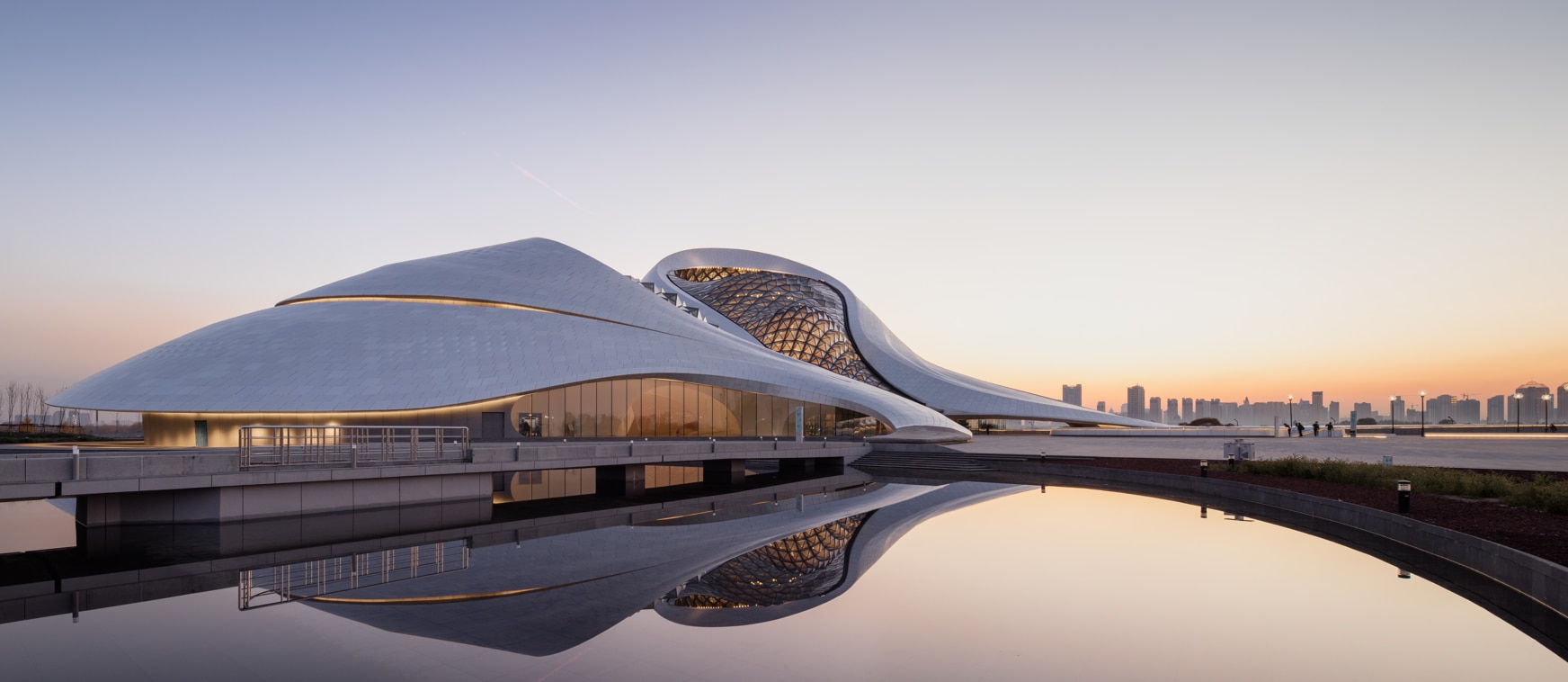
MAD Harbin Opera House. Image: Adam Mork
- Ma Yansong, a Cultural Leader participating in the Annual Meeting of the New Champions, challenges uniform urban development by blending massive architectural scale with natural, organic landscapes.
- Cultural landmarks like the Harbin Opera House prove that large structures can naturally enrich environments.
- How promising ideas become scalable impact is a key focus at the World Economic Forum’s Annual Meeting of the New Champions, also known as Summer Davos, in China from 23–25 June.
One of the big challenges facing cities today is not simply how to grow, but how to evolve with purpose. As urban complexity accelerates, the real test is whether we can create cities that are not just bigger, but more intelligent, immersive and deeply human.
Within this context, cultural institutions are emerging as powerful testing grounds for new ideas in large-scale urban development, and the work of the internationally acclaimed Chinese architect and founder of MAD Architects, Ma Yansong, offers a particularly compelling perspective on how such innovation can unfold.
Nature meets architecture: The design philosophy of Ma Yansong
Ma’s architecture operates at the intersection of ambition and sensitivity. His projects are often large in scale, spanning entire districts, reshaping skylines and redefining public space, yet they resist the standardizing tendencies typically associated with large developments.
Instead of repeating modular solutions or prioritizing efficiency alone, Ma introduces a design philosophy where architecture draws inspiration from natural landscapes and traditional cultural narratives. This approach reframes scale itself: rather than diminishing human experience, scale becomes a means to amplify it.
Cultural institutions as catalysts for large-scale urban innovation
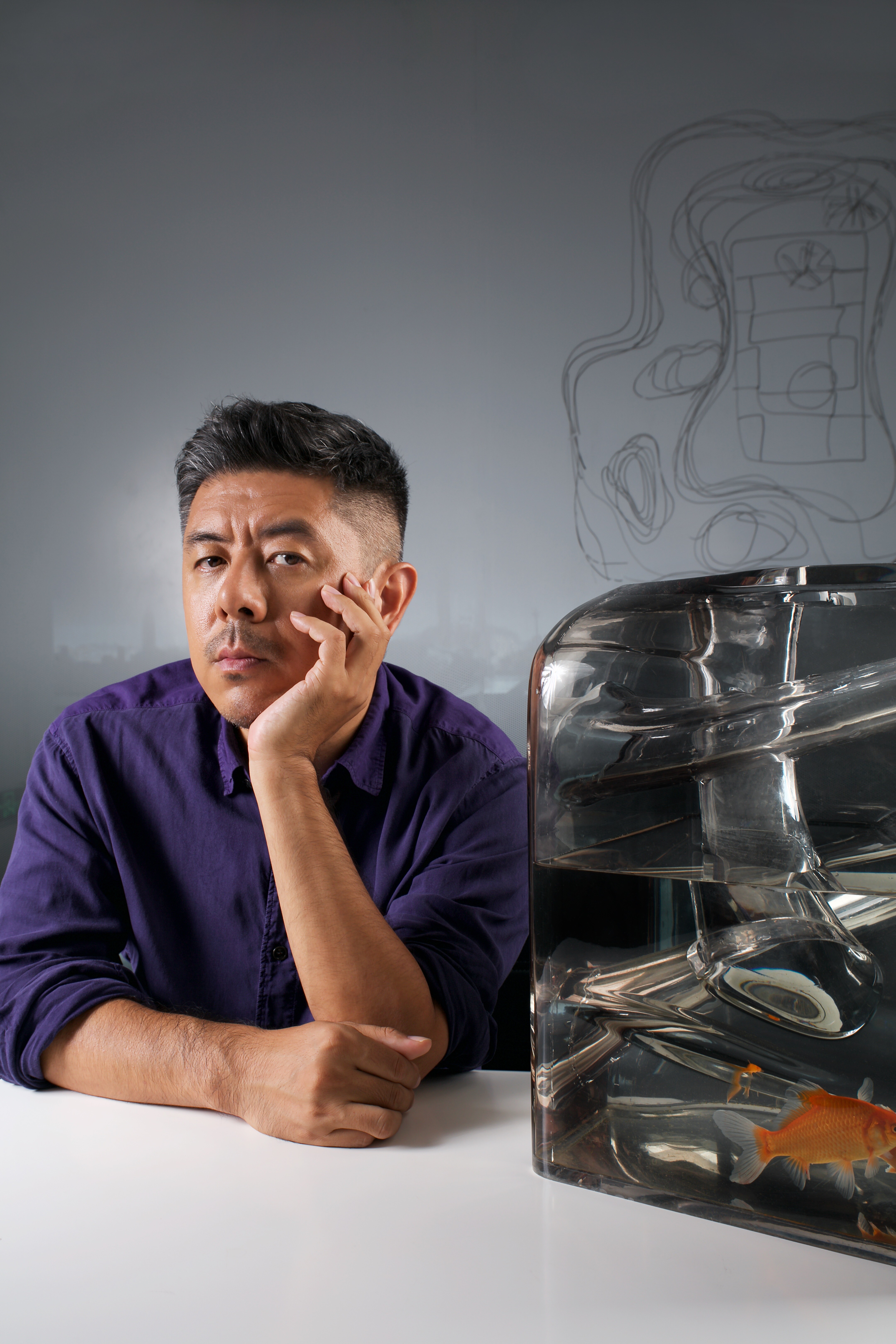
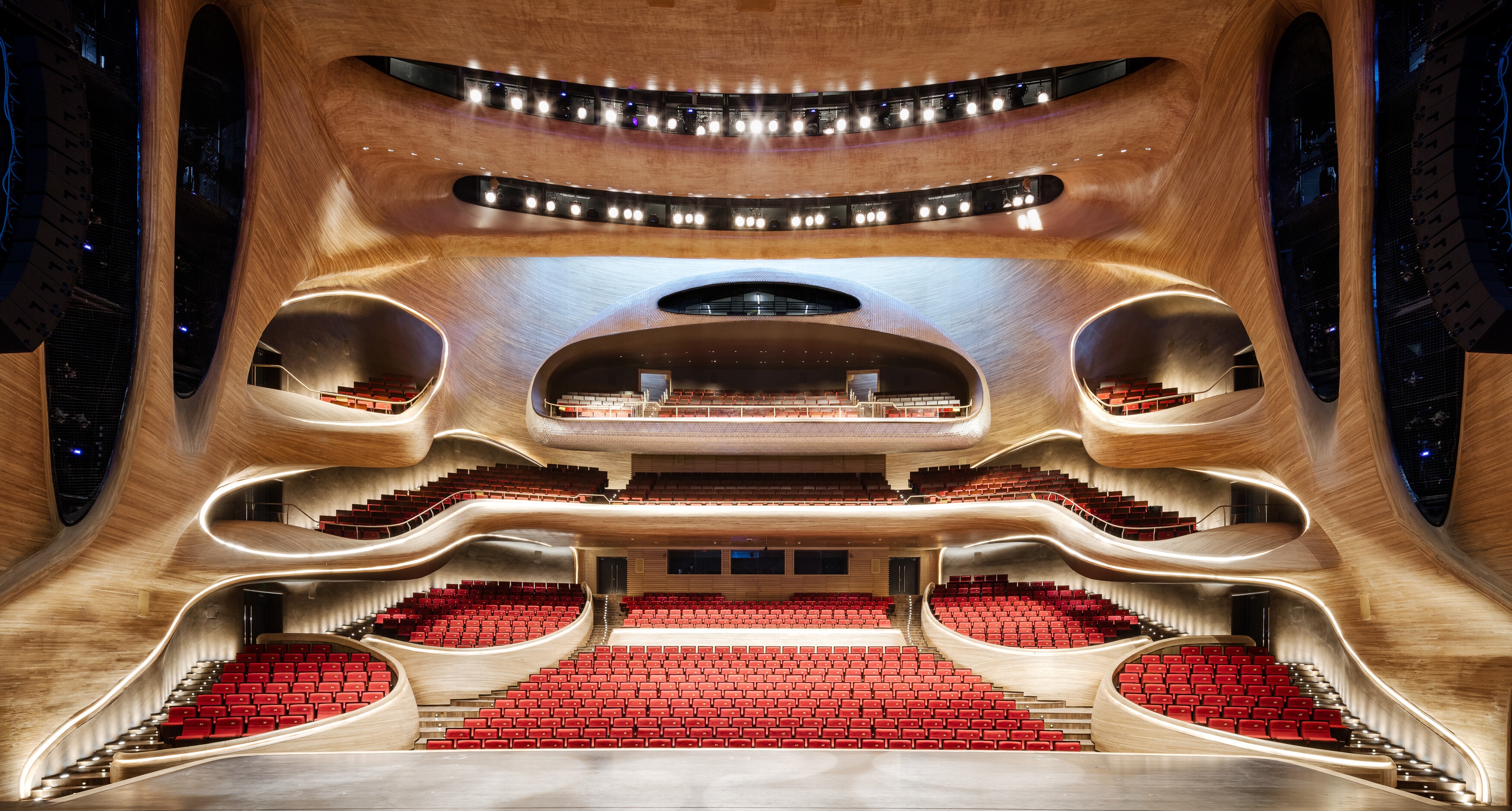
This is especially evident in his design of cultural institutions, which increasingly function as both symbolic landmarks and active components of urban life. The Harbin Opera House exemplifies how innovation at scale can transcend conventional monumentality. Its sweeping, terrain-like forms are not simply aesthetic gestures but spatial strategies that integrate the building into its surrounding wetland environment. The project demonstrates that even the largest cultural structures can operate as extensions of natural systems, offering a model for how cities might grow without severing their ecological and cultural roots.
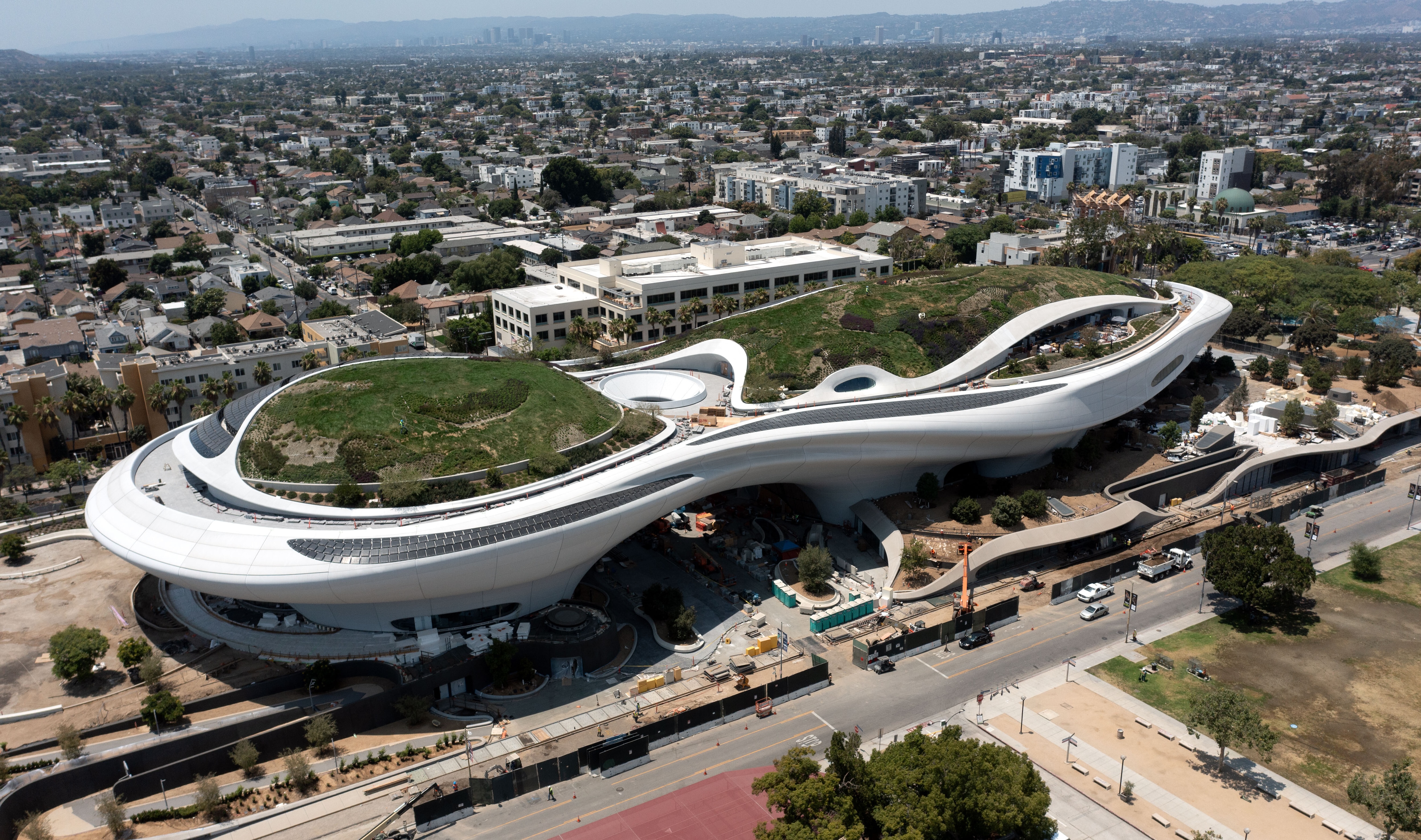
Similarly, the Lucas Museum of Narrative Art in Los Angeles suggests that large-scale cultural projects can redefine public engagement. Its fluid, futuristic form challenges the rigidity of the urban grid while creating new types of public space beneath and around it. Here, innovation lies not only in the building’s appearance but in its capacity to merge storytelling, architecture and landscape into a cohesive experience. At scale, such projects begin to influence how entire districts function, blurring the boundaries between institution and city.
Disrupting the skyline: Expressive high-rise and commercial design
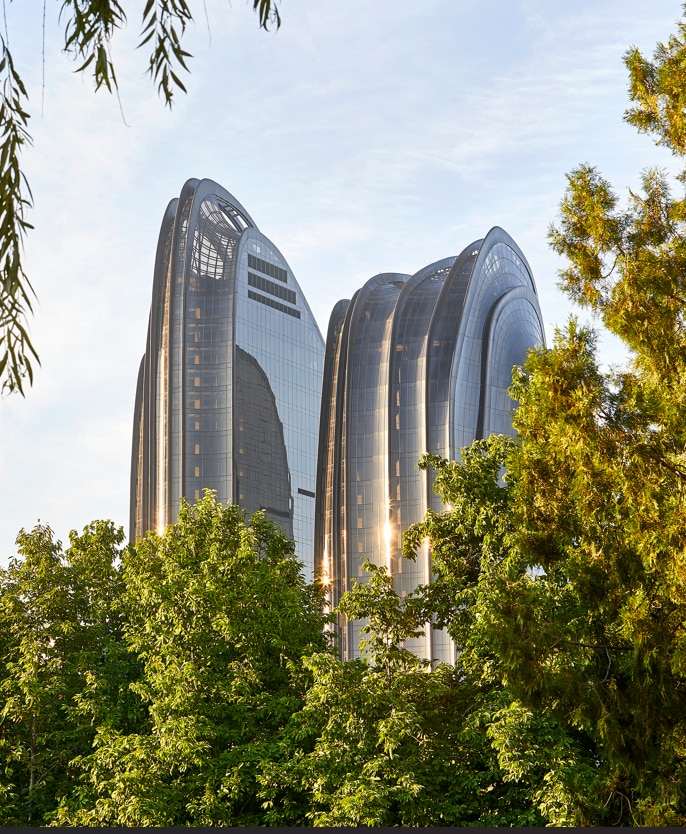
Ma’s approach also extends beyond singular landmarks to broader urban developments. Chaoyang Park Plaza in Beijing illustrates how even dense commercial and residential complexes can embody a more expressive and culturally grounded vision. Inspired by the forms of traditional Chinese ink-wash mountains, the project introduces variation, symbolism and spatial drama into a typology often defined by repetition. This suggests that innovation at scale does not require abandoning density or functionality, but calls for reimagining how these qualities are expressed.
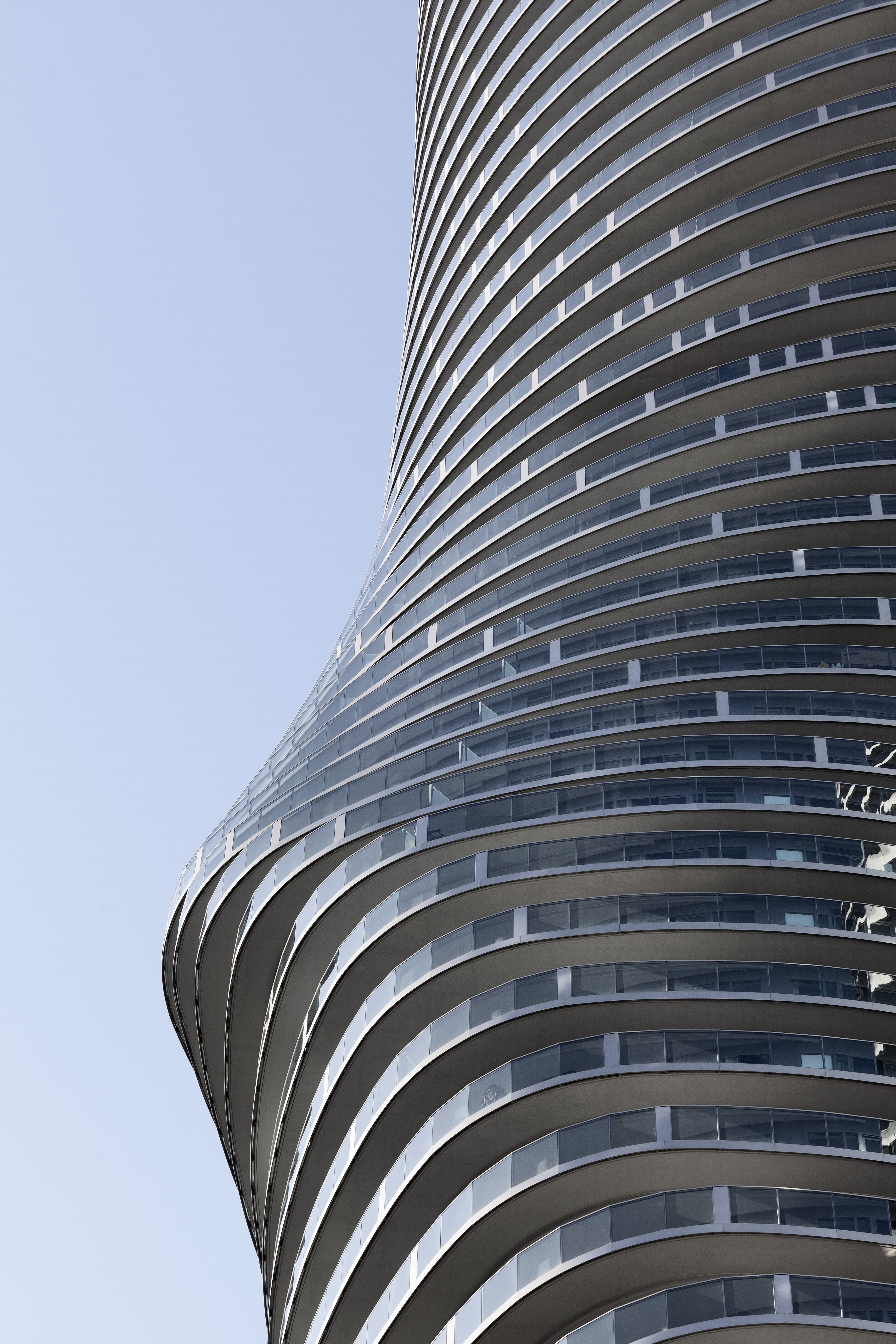
The Absolute World Towers in Canada further reinforce this idea. Their twisting forms disrupt the conventional logic of high-rise construction, creating a dynamic skyline while maintaining the practical requirements of residential living. At a time when cities around the world are filled with uniform towers, such projects demonstrate that large-scale housing can still be distinctive and engaging. Innovation here is not about novelty for its own sake, but about challenging the assumptions that govern how cities are built.
The challenges of scalable urban innovation: Balance and inclusivity
Yet the notion of innovating at scale also raises important questions. Can such expressive, site-specific approaches be replicated across different contexts, or do they depend on unique conditions and resources? How can cities balance the desire for iconic, culturally resonant architecture with the need for affordability and inclusivity? And perhaps most critically, how can innovation move beyond individual projects to shape broader systems of urban development?
Ma’s work does not offer definitive answers to these questions, but it does reframe the conversation. It suggests that scale should not be an excuse for standardization, but an opportunity for reinvention. Cultural institutions, in particular, can act as catalysts, demonstrating new ways of integrating architecture with environment, narrative and public life.
Shaping the next generation of sustainable cities
Ultimately, innovating at scale requires a shift in mindset. It demands that cities move beyond efficiency-driven models towards a more holistic understanding of value, one that includes cultural meaning, environmental integration and human experience. Through his work, Ma illustrates that this is not only possible, but necessary. As cities continue to expand, the challenge will be to ensure that growth does not come at the expense of identity and connection, but becomes a vehicle for creating places that are as inspiring as they are sustainable.
Ma Yansong is a Cultural Leader participating in the Annual Meeting of the New Champions, taking place in Dalian, People’s Republic of China, from 23–25 June 2026.
Don't miss any update on this topic
Create a free account and access your personalized content collection with our latest publications and analyses.
License and Republishing
World Economic Forum articles may be republished in accordance with the Creative Commons Attribution-NonCommercial-NoDerivatives 4.0 International Public License, and in accordance with our Terms of Use.
The views expressed in this article are those of the author alone and not the World Economic Forum.
Stay up to date:
Cities and Urbanization


Forum Stories newsletter
Bringing you weekly curated insights and analysis on the global issues that matter.