

Energy Transition
国有企业如何在实现全球净零排放目标中发挥关键作用?
国有企业在全球能源体系中扮演着重要角色,贡献了全球化石燃料产量的一半左右。各利益相关方应认识到,大型国有企业的未来走向,与全球气候目标的实现和可持续经济发展的前景息息相关。

Dr. Abhinav Jindal is a Senior Faculty at Power Management Institute, India.
He holds a PhD in Economics from Indian Institute of Management Indore with Energy Economics as specialization, and a Bachelor’s Degree in Engineering. He has over 20 years’ experience working with utilities in various domains related to financial, commercial, techno-economic and regulatory aspects of the power sector. He has a sound understanding of pricing, market design, regulation and competition in the sector. He specializes in Electricity markets, Carbon markets, public policy issues associated with public electric utilities and regulatory affairs.
His research interests are at the interface of economics, sustainable finance, energy and environment. His past research areas include investigating large state-owned enterprises (SOEs), assessing firm level financial risks emanating due to transition, estimating financed emissions for banks, devising innovative financial mechanisms for accelerating transition and net zero emissions, examining just energy transitions and partnerships (JET-Ps) and policy design for scale adoption of emerging technologies such as battery storage, green hydrogen and floating solar PV.
Abhinav has co-authored more than 40 publications in international journals, conferences, book chapters and case studies.
国有企业在全球能源体系中扮演着重要角色,贡献了全球化石燃料产量的一半左右。各利益相关方应认识到,大型国有企业的未来走向,与全球气候目标的实现和可持续经济发展的前景息息相关。
Por su rol central en la energía mundial, las empresas del Estado están en una posición única para liderar el camino hacia las cero emisiones.
State-owned enterprises play an important role at the heart of the world's energy system, making them well-positioned to meet global net zero targets.
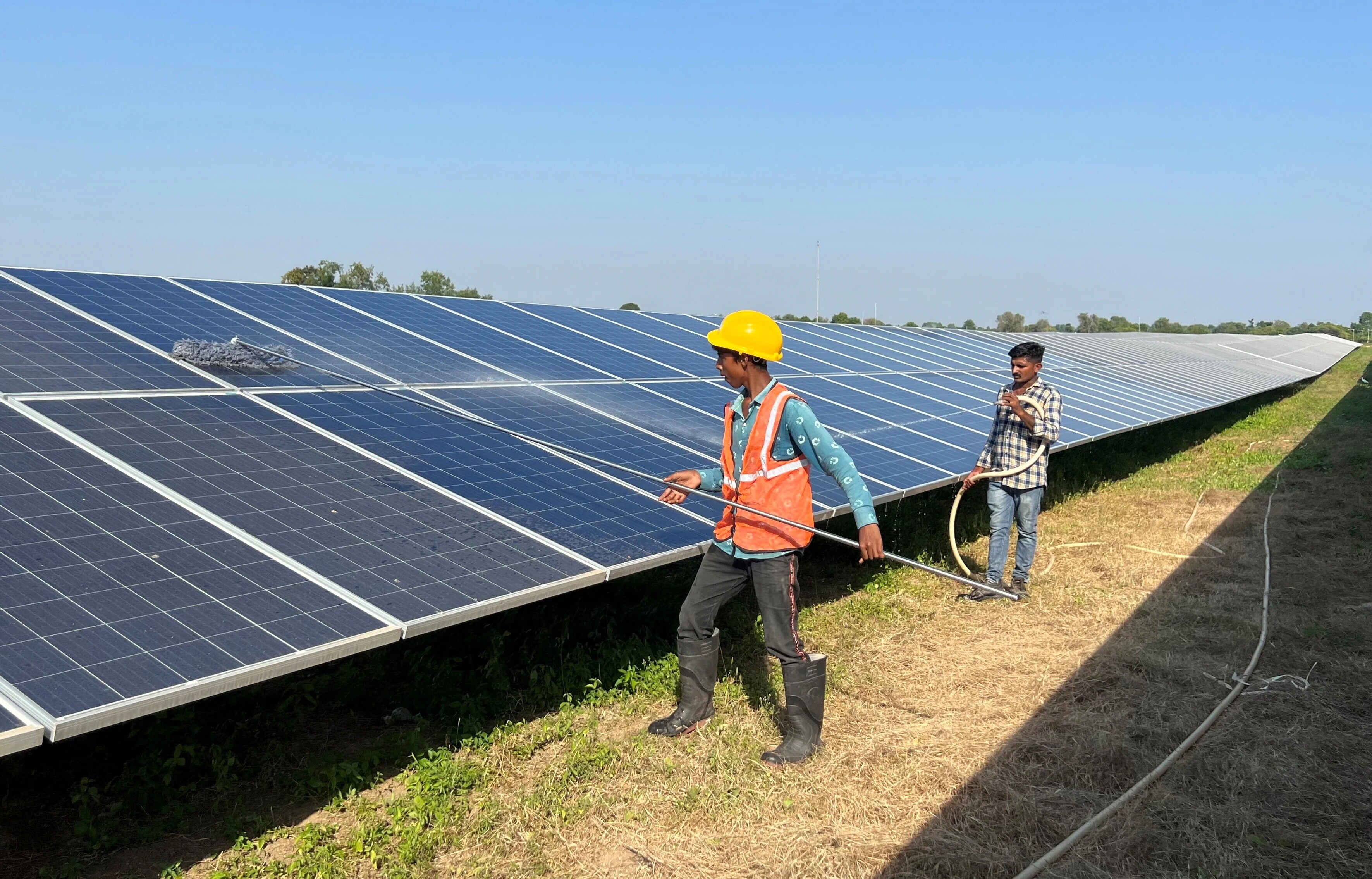
India ha expresado formalmente su intención de ser sede de la COP 33 en 2028. India podría destacar cómo el desarrollo y la descarbonización pueden avanzar juntos.
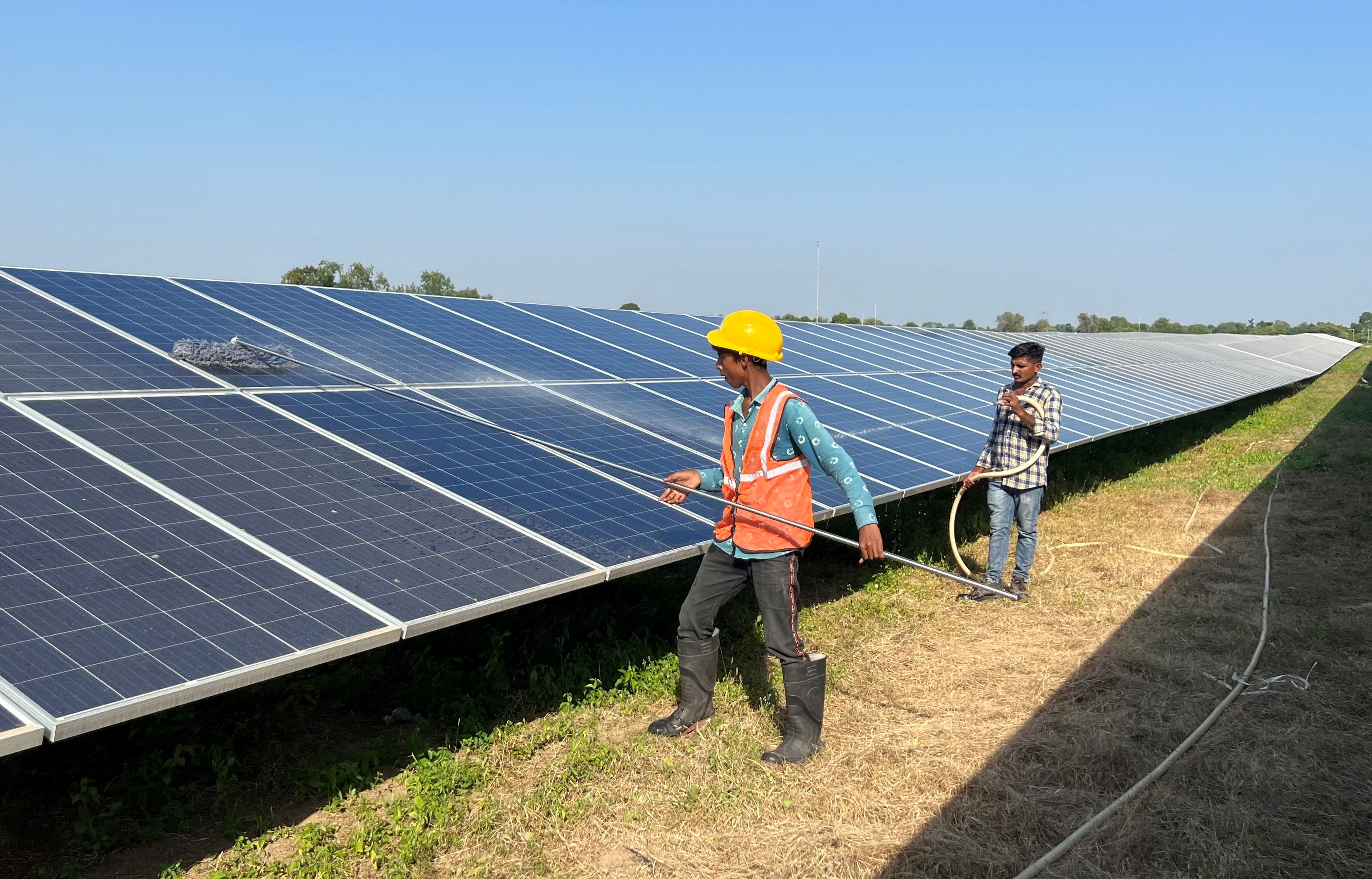
India has now formally expressed its intention to host COP 33 in 2028. India could highlight how development and decarbonization can advance together.


