ポリクライシスのリスクが高まる時代における、サイバーセキュリティ
地政学的緊張により、サイバーリスクが増大している一方で、サイバー攻撃が地政学的安定を揺るがしています。 ロシアによるウクライナ侵攻が長期化の様相を呈する中、ロシア軍が再攻勢を仕掛ける公算が高いことを考えると、一斉的なハイブリッド攻撃の一環として悪意のあるサイバー作戦が展開されることが予想されます。
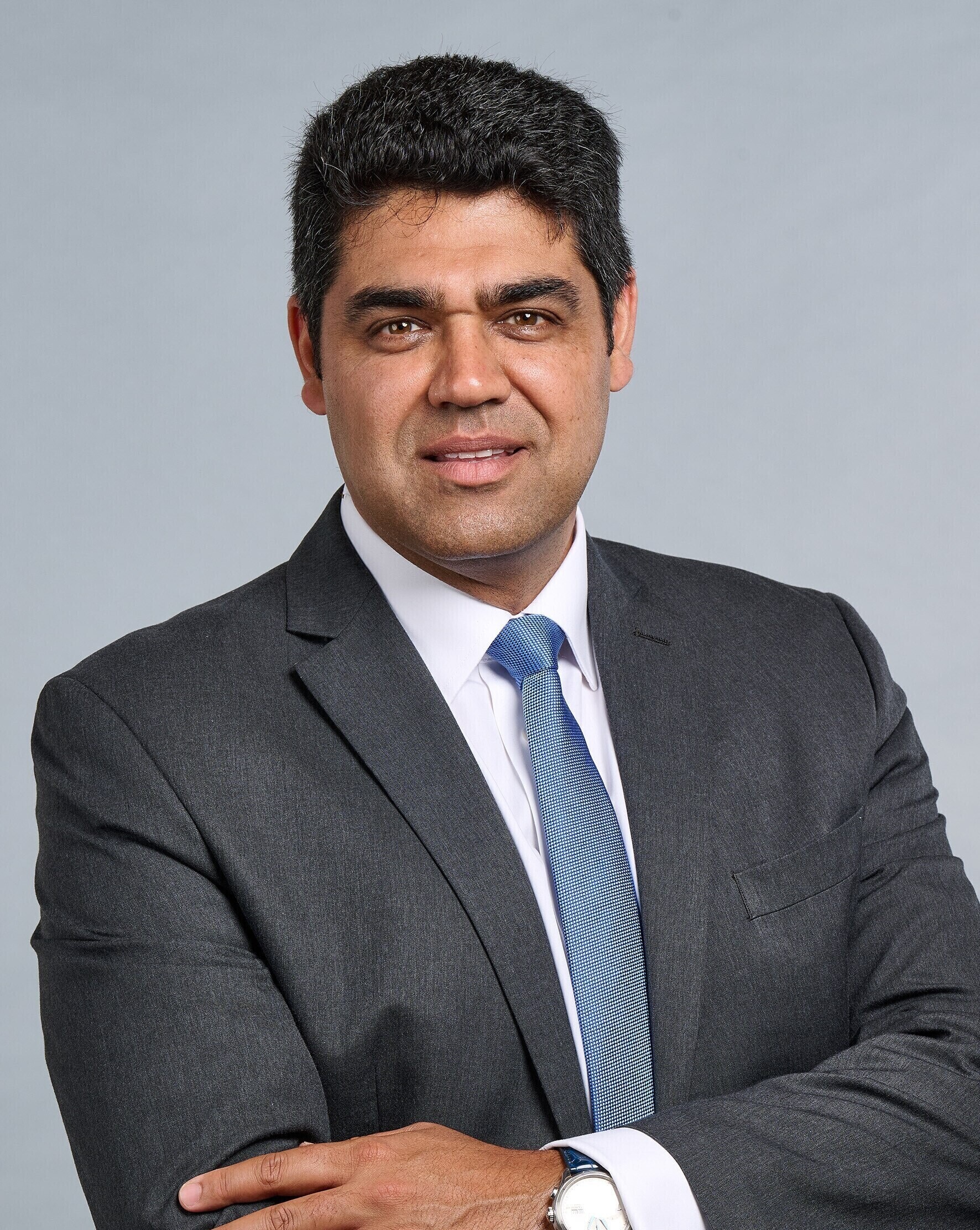
Akshay Joshi is the Head of the World Economic Forum’s Centre for Cybersecurity that seeks to provide an independent and impartial platform to reinforce the importance of cybersecurity as a strategic priority and drive global public-private action to address systemic cybersecurity challenges. Akshay joined the Forum as a Global Leadership Fellow in 2015 and was responsible for strengthening engagement with organisations based in the South Asia before taking on operational leadership of the Centre for Cybersecurity upon its launch. Prior to joining the Forum, he had over a decade of experience in management roles in sectors including maritime transport and public relations.
Akshay holds an Executive Master in Global Leadership from the World Economic Forum, an MBA from the University of Manchester and a Bachelor from the University of Mumbai.
地政学的緊張により、サイバーリスクが増大している一方で、サイバー攻撃が地政学的安定を揺るがしています。 ロシアによるウクライナ侵攻が長期化の様相を呈する中、ロシア軍が再攻勢を仕掛ける公算が高いことを考えると、一斉的なハイブリッド攻撃の一環として悪意のあるサイバー作戦が展開されることが予想されます。
The US National Cybersecurity Strategy seeks to protect critical infrastructure, including hospitals and clean energy facilities, from cyberthreats.
Las tensiones geopolíticas están aumentando los riesgos cibernéticos. Lograr la cyber resiliencia requiere un enfoque que trascienda fronteras y empresas.
Achieving cyber resilience is one of the biggest cybersecurity challenges. It requires a harmonised approach that stretches across borders and businesses.
Cyber experts expect a catastrophic cybersecurity event within the next two years. A new World Economic Forum report highlights steps businesses can take.
Significant and sustained cyberattacks on Europe's energy infrastructure could have devastating consequences on the already strained sector.
As the cybersecurity technology threat increases, it needs to be seen not merely as a technical issue, but rather as one of strategy, culture and cooperation.
‘Cybersecurity failure’ is a critical threat, so senior leaders must get serious about tackling it, says the Head of Industry and Partnerships for the WEF’s Centre for Cybersecurity.
Zero trust could offer a solution to protecting operational technology from cyber threats, but only if these three aspects are considered in the process: increased visibility, network seg...
Defining 'systemically important critical infrastructure' may help establish new operating models to keep essential services running during a cyberattack.
Cybercriminals' relationships, connections and behaviours – or cybercrime economics - reveal the incentives for ransomware and disinformation attacks.