
Nature and Biodiversity
绿地之外:如何创造自然友好型城市?
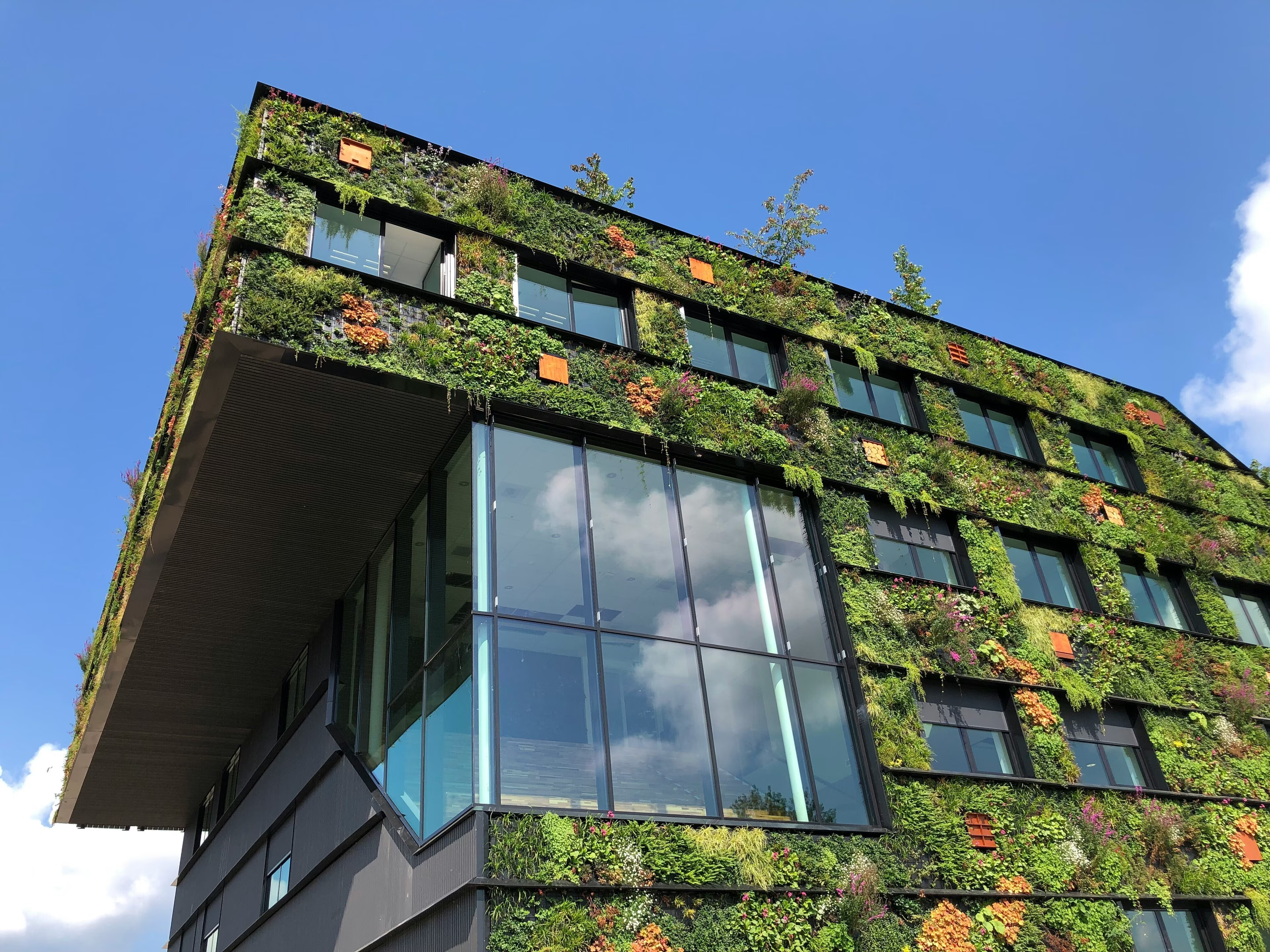
当下全球关于城市可持续性的叙事,大多几乎只聚焦于花园、公园和大片绿地。真正的自然友好型城市,应当由生物多样性与生态韧性如何被精巧地编织进我们的建成环境来定义。通过将生态置于城市规划的核心,我们能够在公园围墙之外营造出充满生机、具备韧性并富于生物多样性的栖息地。
Anurit Kanti is a Manager – Sustainability Specialist at Capgemini Invent, the consulting arm of Capgemini. In this role, he advises global organizations on advancing their sustainability and decarbonization agendas. His work spans GHG estimation and target-setting, renewable energy integration, circular economy initiatives, supply chain sustainability, ESG reporting, and other climate-positive strategies.
Anurit is an alumnus of the World Economic Forum’s Global Shapers Community, where he led several sustainability-focused initiatives for the Gurugram Hub. He has contributed to the Forum’s climate agenda through thought leadership, including published blogs on climate change and sustainability.
Previously, Anurit was part of ReNew, India’s leading renewable energy company, where he played a key role in the Sustainability and ESG department. His contributions extended to corporate communications, CSR, thought leadership, and facilitating leadership participation at major global platforms such as the World Economic Forum Annual Meeting in Davos (for three consecutive years), COP26, COP27, and Climate Week NYC. He also led ReNew’s flagship global internship program.
Anurit began his career at Bombay Hemp Company, where he supported strategic and collaborative efforts to build India’s industrial hemp and medicinal cannabis ecosystem, promoting holistic sustainable development.
He is a former international award-winning environmental journalist, having received the Young Environmental Journalist of the Year award at the Asian Environmental Journalism Awards by the Singapore Environment Council. His writing has extensively covered climate change, environmental policy, and sustainability. He was also recognized as one of India’s 40 Under 40 Achievers by the Indian Achievers Club.
Anurit holds a Master’s in Liberal Arts with a concentration in Environmental Economics from Ashoka University, where he wrote his thesis on Green Credits—a concept recently adopted as an official government program in India’s national budget. He is also an alumnus of the Young India Fellowship and served as an elected Director on the Ashoka Alumni Council.
He has been invited to speak on sustainability and climate change at leading forums and academic institutions. As an Adjunct Professor at the Meghnad Desai Academy of Economics, he designed and teaches a newly launched postgraduate elective course on Sustainability.
Anurit was selected to attend SHAPE South Asia 2023 in Kathmandu, a flagship World Economic Forum event for Global Shapers, where he was recognized as a contributor to the climate advocacy paper launched at the event. The paper cited a project he led and two of his WEF blogs. He also showcased a separate afforestation project at the event. He was again selected for SHAPE South Asia 2024 in Jaipur.
当下全球关于城市可持续性的叙事,大多几乎只聚焦于花园、公园和大片绿地。真正的自然友好型城市,应当由生物多样性与生态韧性如何被精巧地编织进我们的建成环境来定义。通过将生态置于城市规划的核心,我们能够在公园围墙之外营造出充满生机、具备韧性并富于生物多样性的栖息地。

Tres formas en las que la ciencia ciudadana impulsada por IA puede amplificar las iniciativas de acción climática lideradas por la comunidad.

Here are three ways AI-powered citizen science can amplify community-led initiatives when it comes to climate monitoring and action across the world.
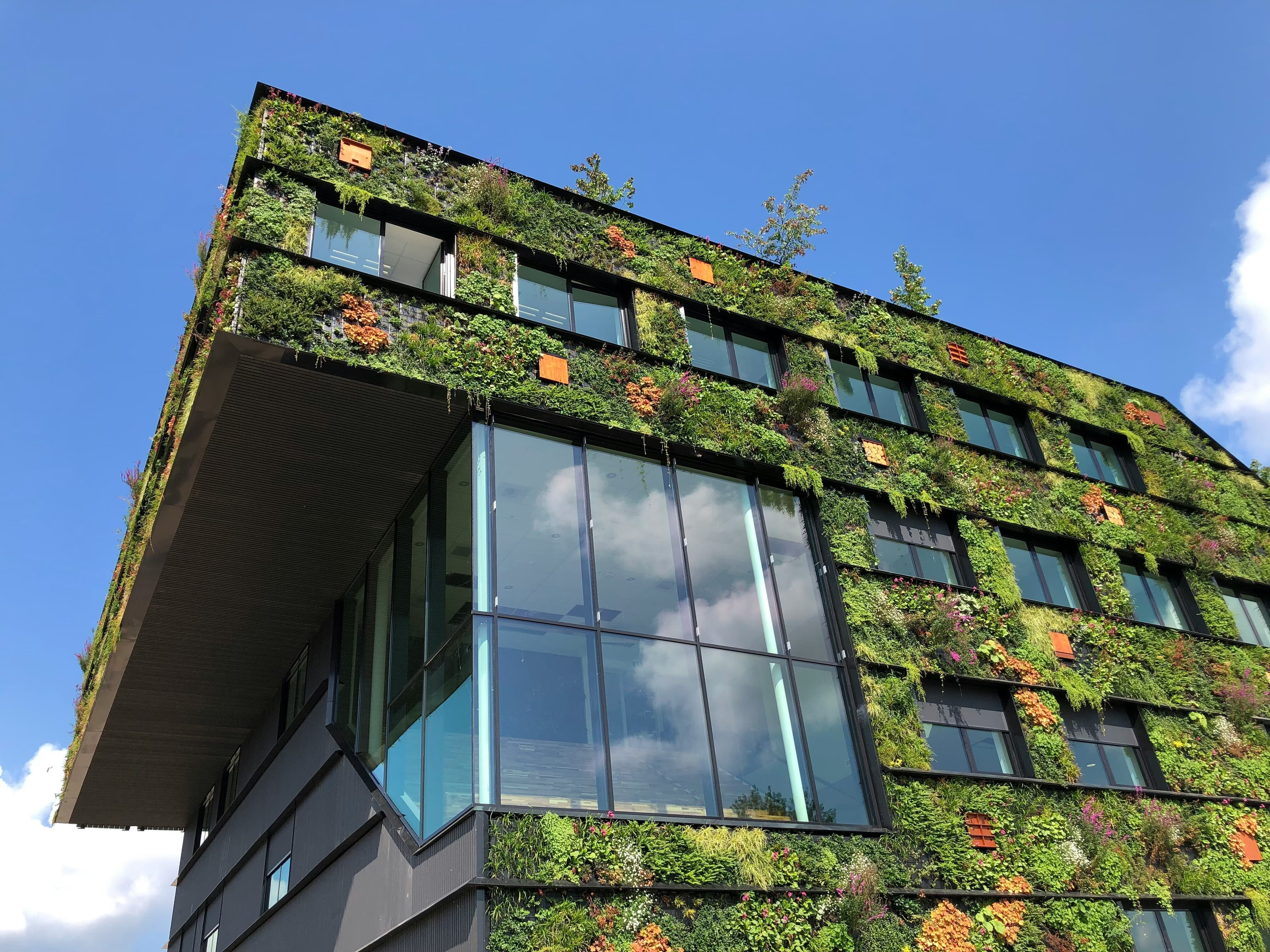
Al situar la ecología en el centro del diseño y la planificación de las ciudades, podemos crear hábitats vibrantes y resilientes, llenos de biodiversidad.
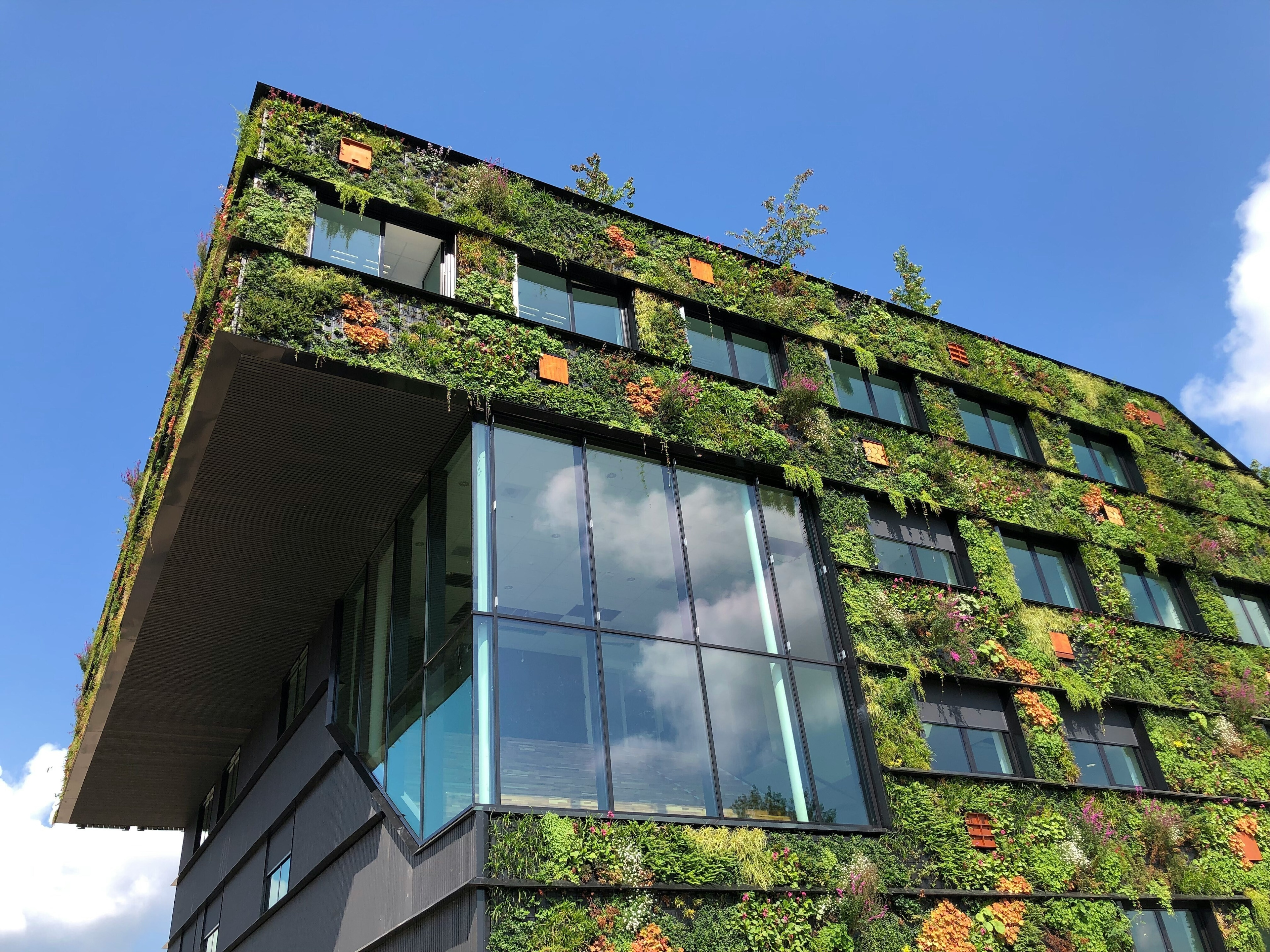
By making ecology central to urban design and planning, we can create vibrant, resilient habitats, brimming with biodiversity beyond the city park gate.
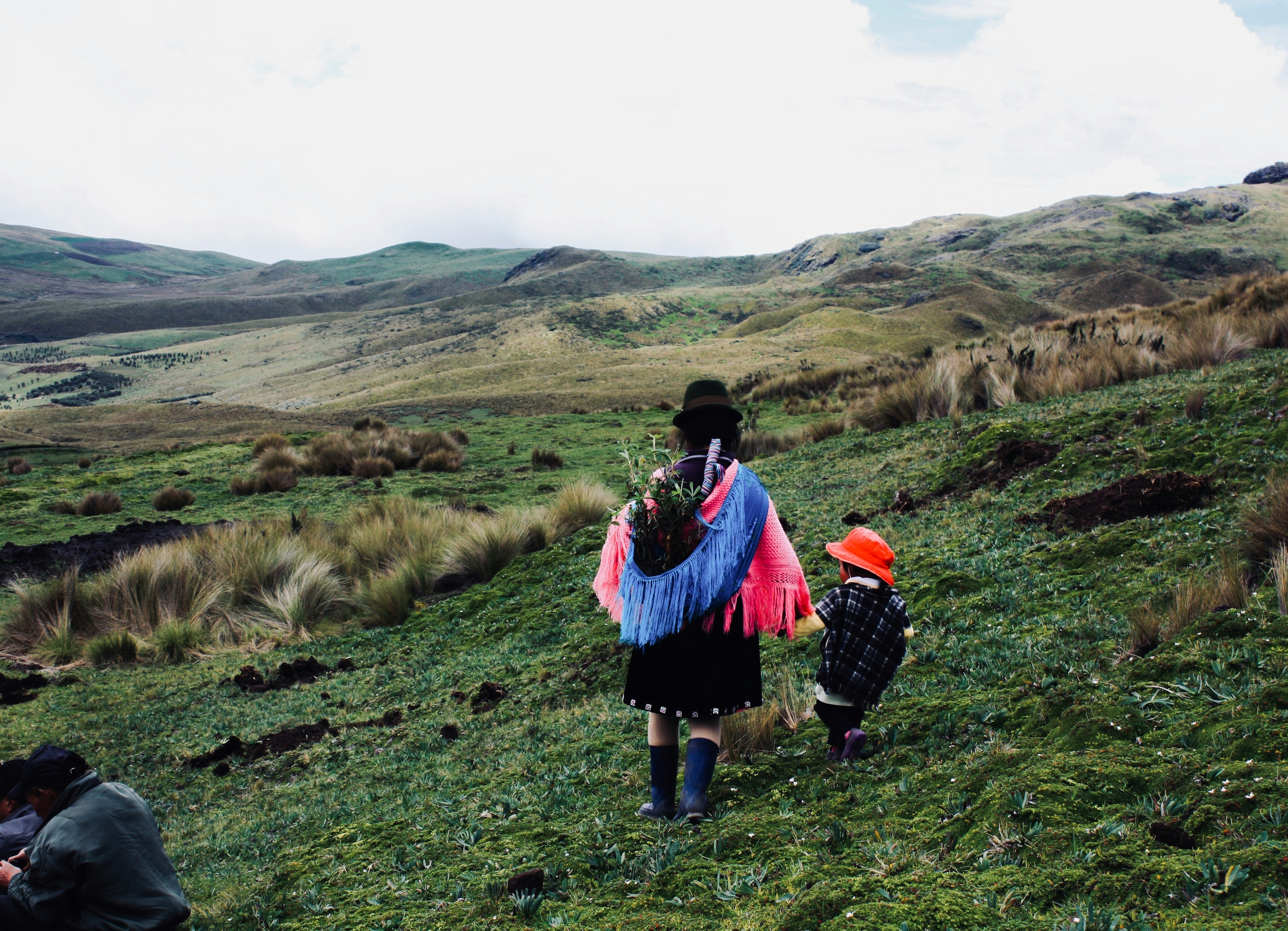
From predicting extreme weather to optimizing energy, climate action increasingly incorporates AI, but it must also be used to enhance climate justice.

We must break down the barriers that keep young people from engaging in climate action, mitigation, and adaptation so they can help shape the future they’ll inherit.

Ahora más que nunca, la educación y la concientización financieras son esenciales. Global Shapers de todo el mundo buscan educar a los niños en el primer paso de la seguridad financiera: ...

Now more than ever, financial literacy and awareness is essential. Global Shapers across the world are working to educate children on the first step of financial security: savings.

Collective data-sharing, research and planning could help alleviate the health impact of smog on both sides of the border and lead to a diplomatic breakthrough

While countries recognize the importance of climate education, we are yet to see the holistic transformation of global education systems needed to drive meaningful action.

To foster climate optimism, we must take responsibility for our role in climate change on an individual, community, organizational and regional level.

No country is immune to the effects of climate change, but climate action and sustainability can provide us with a unique opportunity for global teamwork.

By 2030, climate change is expected to push 132 million into extreme poverty. But a focus on climate justice at COP27 could prevent this and aid the fight against climate change.


