
Climate Action and Waste Reduction
気候レジリエンスに万能な答えがない理由―日本とペルーの事例から
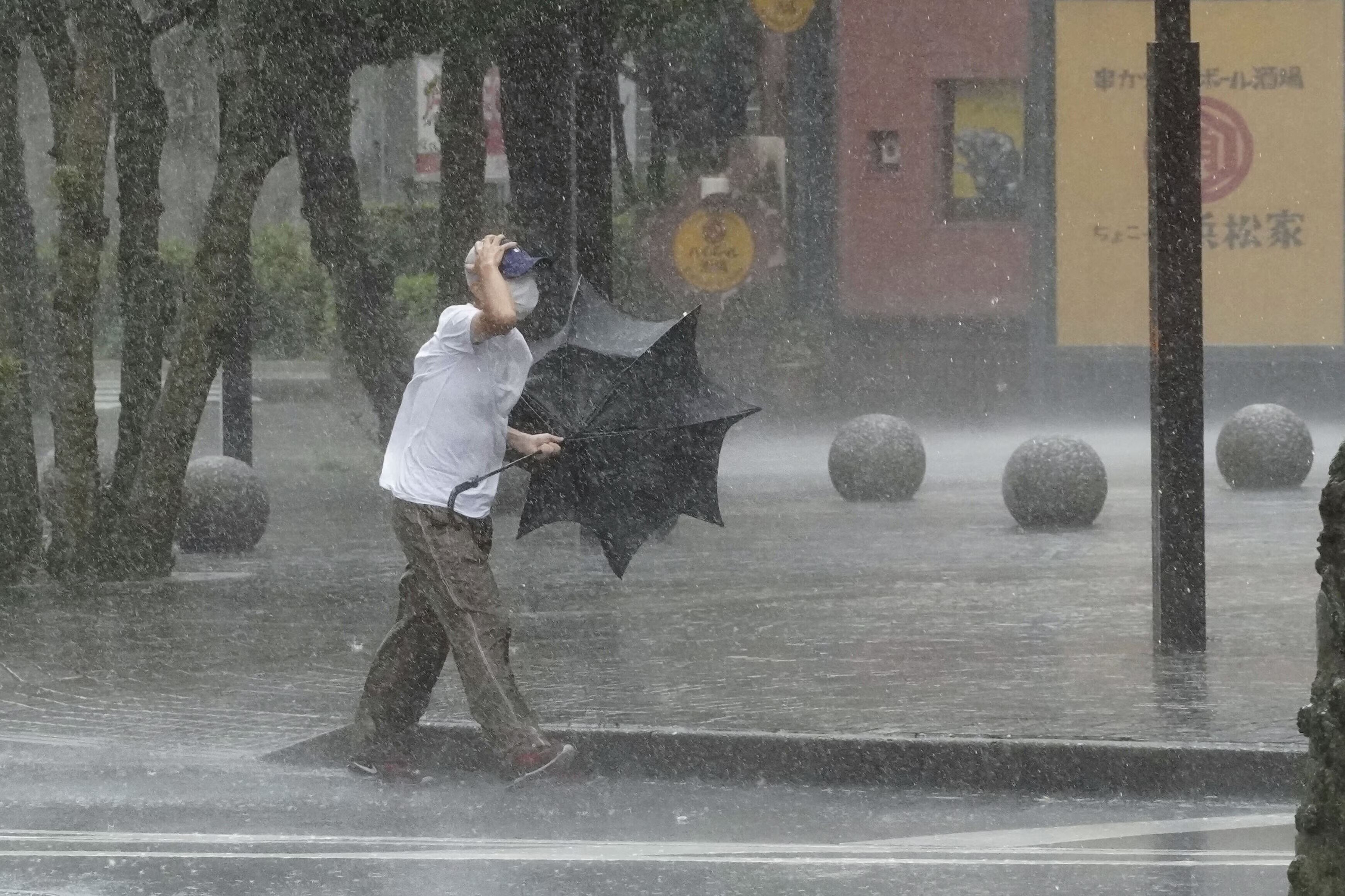
異常気象は、国境や地政学的境界を無視して起こります。ただし、気候災害が国を超えて類似しているように見えても、地域社会がそれらを経験する条件は異なり、実際に効果を発揮する気候対策は、文化的価値観、人々の実体験、インフラの歴史的経緯、維持管理能力、そして各地域の制度的適応能力によって形作られます。
Dr Chitresh Saraswat builds the architecture to translate scientific insights into action. As a Fellow at the School of Cybernetics, Australian National University, his research advances science diplomacy, anticipatory governance, emerging technology policy, and sustainability transformations across the Global South. He focuses on how emerging technologies (Quantum & AI) and foresight thinking can reshape sustainability agendas, and how gamification and anticipatory tools can make scientific insights tangible for diverse stakeholders. As an André Hoffmann Fellow (alumni) at the World Economic Forum, he co-authored the industry white paper “Catalysing Business Engagement in Early Warning Systems” with WMO, launched at Davos 2025, focused on advancing early warning science into actionable multilateral policy architecture. His decade of science diplomacy practice spans embedding scientific foresight into multilateral processes at the UN agencies, the technology industry, think tanks, and academia. He is a founder of a quantum-AI urban water venture that is connecting research to market innovation. He has over 2,050 scholarly citations and is the author of a book on "Sustainable Solutions for Urban Water Security".
LinkedIn: https://www.linkedin.com/in/chitresh-saraswat-96605225/
異常気象は、国境や地政学的境界を無視して起こります。ただし、気候災害が国を超えて類似しているように見えても、地域社会がそれらを経験する条件は異なり、実際に効果を発揮する気候対策は、文化的価値観、人々の実体験、インフラの歴史的経緯、維持管理能力、そして各地域の制度的適応能力によって形作られます。
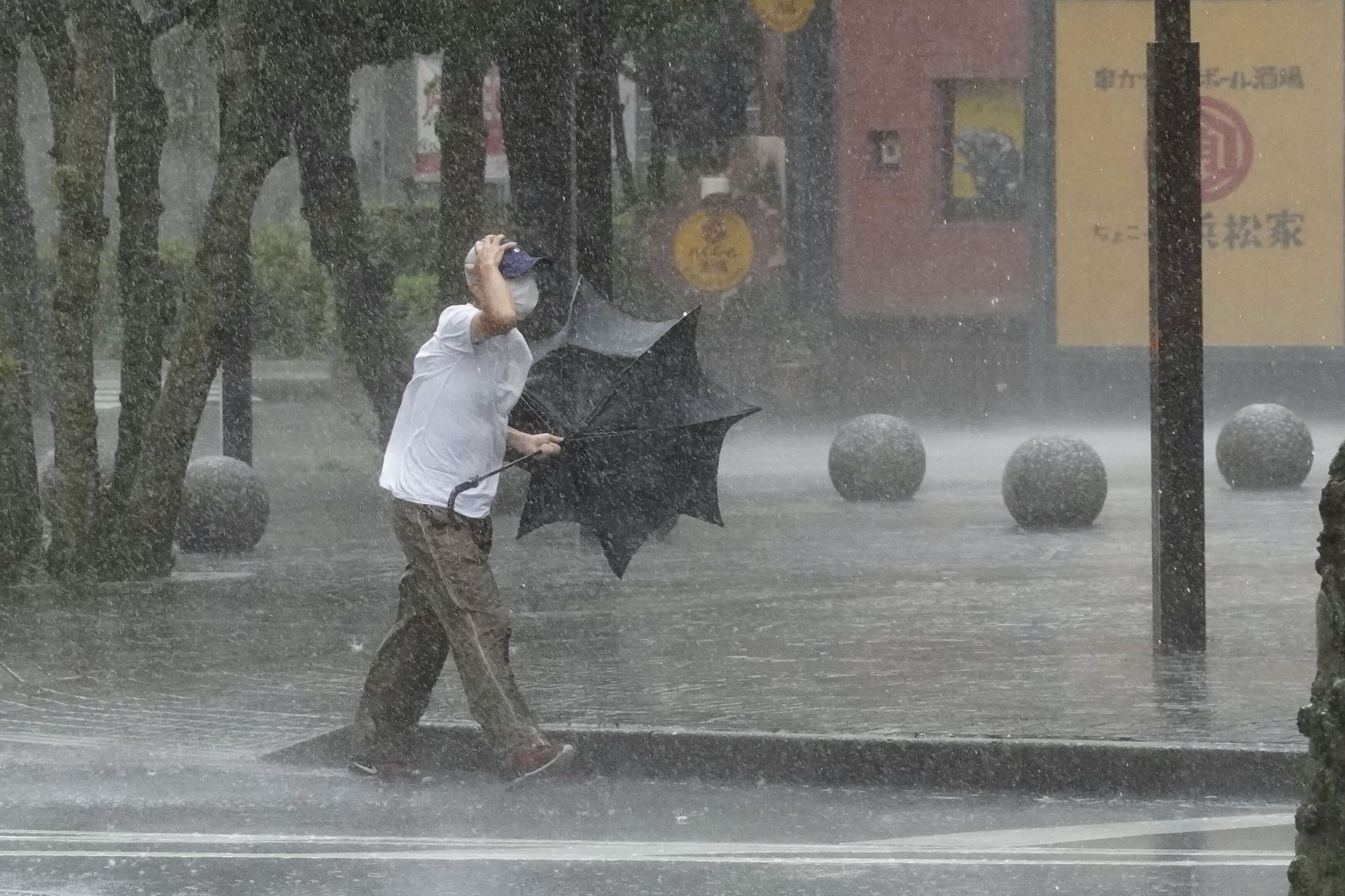
The examples of Japan and Peru show why climate solutions like early warning systems are only successful if they are developed with local communities.
