

Business
安全網からレジリエンス強化へ、保険業界が果たす新たな役割
複合化するリスクの増大する現代において、気候変動リスクの増大、経済情勢の変化、リスク軽減への投資不足により、保険の引受可能性と加入者の支払い能力は大きな制約に直面しています。特に、本来最も必要とされる地域においてその影響が顕著です。状況を変えるために、何を変える必要があるのでしょうか。
複合化するリスクの増大する現代において、気候変動リスクの増大、経済情勢の変化、リスク軽減への投資不足により、保険の引受可能性と加入者の支払い能力は大きな制約に直面しています。特に、本来最も必要とされる地域においてその影響が顕著です。状況を変えるために、何を変える必要があるのでしょうか。

With an insurance protection gap persisting in both the Global North and South, the industry has a major role to play both in broader resilience-planning and mobilizing capital.
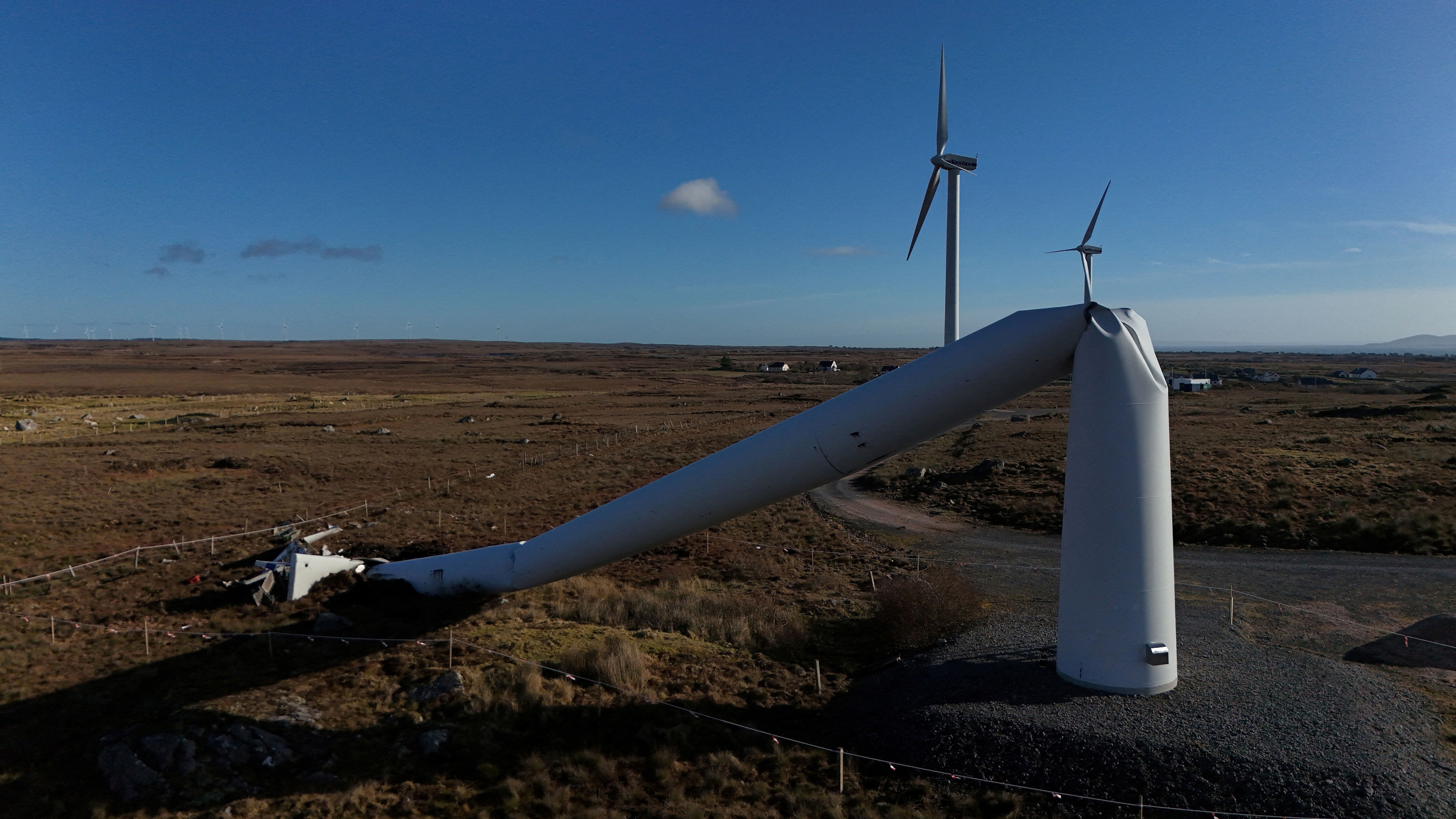
Despite rising damage from climate events, the amount of uninsured global losses has dropped to a record low of 38%. But the insurance industry can do more

Among the many climate risks reshaping the world, extreme heat may pose the most profound threat to human health, infrastructure and economic stability.

Parametric insurance uses event triggers to provide swift, flexible payouts, leveraging AI and satellites to address climate risks and boost resilience.

Business leaders need an urgent shift in mindset—from reactive to proactive—to contend with the rising risks. Here's what's needed now for climate adaptation.

India's agricultural industry is a major economic contributor. Insurers and policy-makers are creating adaptation projects to build its climate resilience.

Climate change is causing insurance losses of over $100 billion a year. Innovative financing solutions can play a key role to build climate resilience

As the Earth warms, new strategies and investments are needed to build societal and economic resilience to extreme heat. Here is how it's being dealt with.

随着气候变化引发越来越多的自然灾害,保险业当前正提高费率、减少承保范围,甚至完全退出某些市场;加利福尼亚州最大的两家保险公司表示将不再提供房屋保险,这反映了保险公司从风险高发地区撤出的大趋势;政策制定者和保险公司必须共同努力,保护脆弱社区和经济体免受连带气候风险的影响。

Insurance firms are raising rates, reducing coverage and exiting some markets entirely as climate change fuels more natural disasters such as wildfires.

As temperatures rise worldwide, achieving extreme heat resilience requires a multistakeholder approach and buy-in from the financial services sector.

Sustainability linked bonds offer lower interest rates to issuers that implement sustainability or ESG principles. Here's how they can support net-zero.

The past seven years have been the warmest on record and have impacted infrastructure. Mitigating extreme heat effects requires significant investment.


