


Emerging Technologies
Is cellular agriculture the next big leapfrog for East Africa?
By leapfrogging intensive agriculture, East Africa can meet its population's demand for quality nutrition with sound and sustainable cellular agriculture.
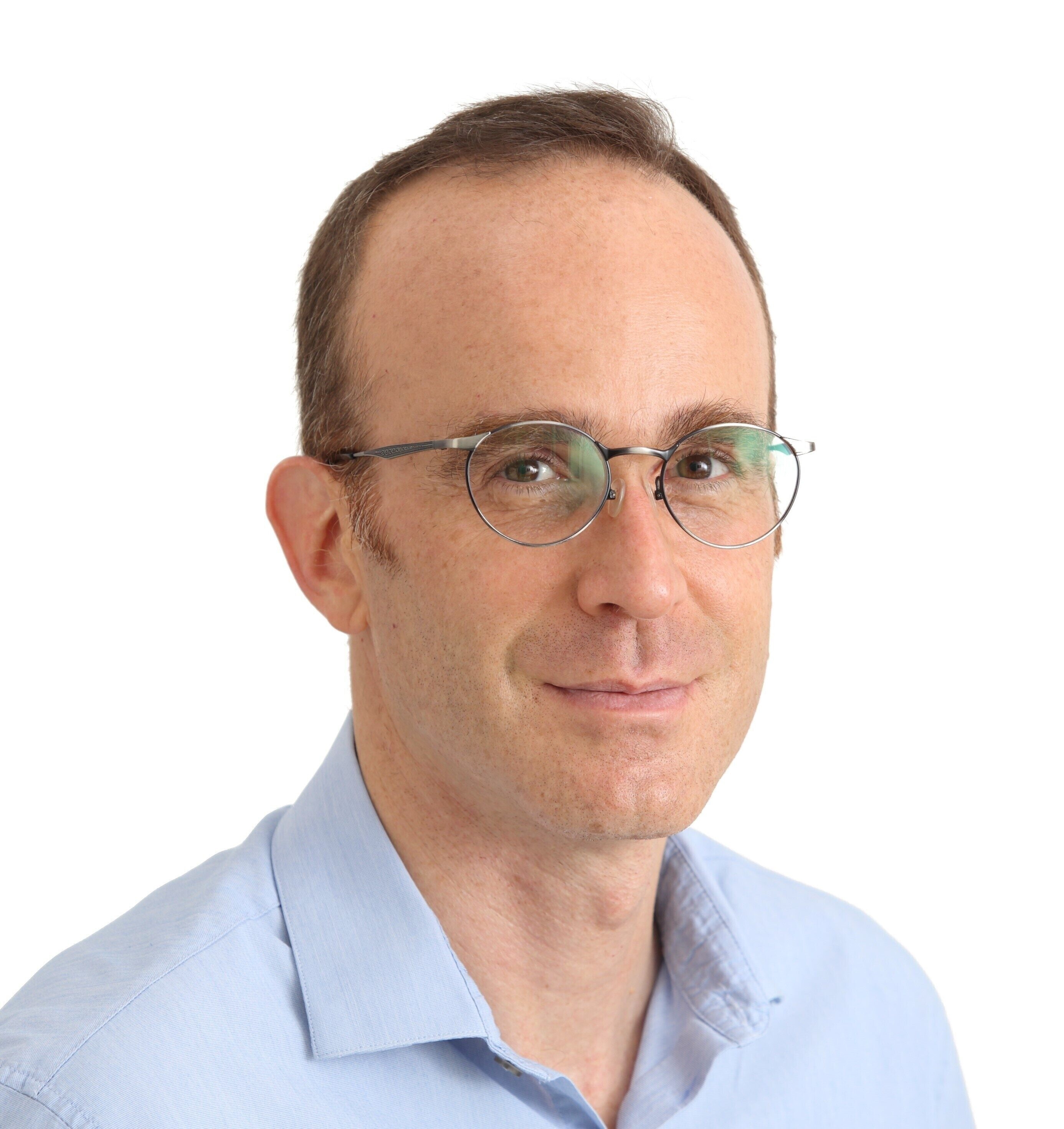
Didier Toubia is the Co-Founder and CEO of Aleph Farms, a cultivated meat pioneer developing a new category of animal products for the world’s growing flexitarian population. Through its first product line, Aleph Cuts, the company grows beef directly from animal cells, preserving natural resources and supporting an inclusive transition toward sustainable, secure, and equitable food systems.
Beyond his role at Aleph Farms, Didier is recognized as a global thought leader in food innovation, biotechnology, and sustainability. He has contributed to World Economic Forum reports, spoken on the TED stage, published widely on food systems transformation, and serves as a keynote speaker at major industry and policy forums worldwide. He is also a board member of the Israel Association for Advanced Technologies, helping shape the future of innovation across sectors.
Before founding Aleph Farms, Didier co-founded and led IceCure Medical (IPO 2010) and served as CEO of NLT Spine, acquired by SeaSpine in 2016. He also co-founded BlueTree and Yeap, two ventures focused on sustainable nutrition and ingredient innovation.
Trained as a Food Engineer and Biologist at AgroSup Dijon, Didier holds a Specialized Master’s degree from ESCP Business School and a joint Executive MBA from Kellogg and Recanati. He is the co-inventor of over 40 patents and a passionate advocate for building resilient, regenerative food systems that align economic growth with planetary health.
By leapfrogging intensive agriculture, East Africa can meet its population's demand for quality nutrition with sound and sustainable cellular agriculture.

Cellular agriculture can enable widespread production of animal proteins, with cultivated beef well-positioned to become a sustainable consumer choice.

A flat meat tax would conflate all types of meat production as one. Here are some better alternatives on how to make agriculture more sustainable for all.

