
Why opening up the economy of forgotten ingredients has multiple benefits
India's renewed interest in millets shows how turning to native foods can boost local economies, protect ecological knowledge and improve food security.
Dipali Khandelwal is a food researcher and storyteller, using food to explore the rich heritage of India. She founded The Kindness Meal, a global movement reclaiming food as a source of identity, dignity, and intergenerational pride. In a world where traditional food knowledge is vanishing, TKM preserves it through grassroots research, educates through intergenerational learning, and advocates for policy change that honours indigenous food systems. TKM's mission is rooted in three pillars — preserve, educate, and advocate — to ensure that food cultures are not lost but passed on. She was featured in the Forbes 30 Under 30 Asia 2025 list for her work in preserving India’s culinary heritage.
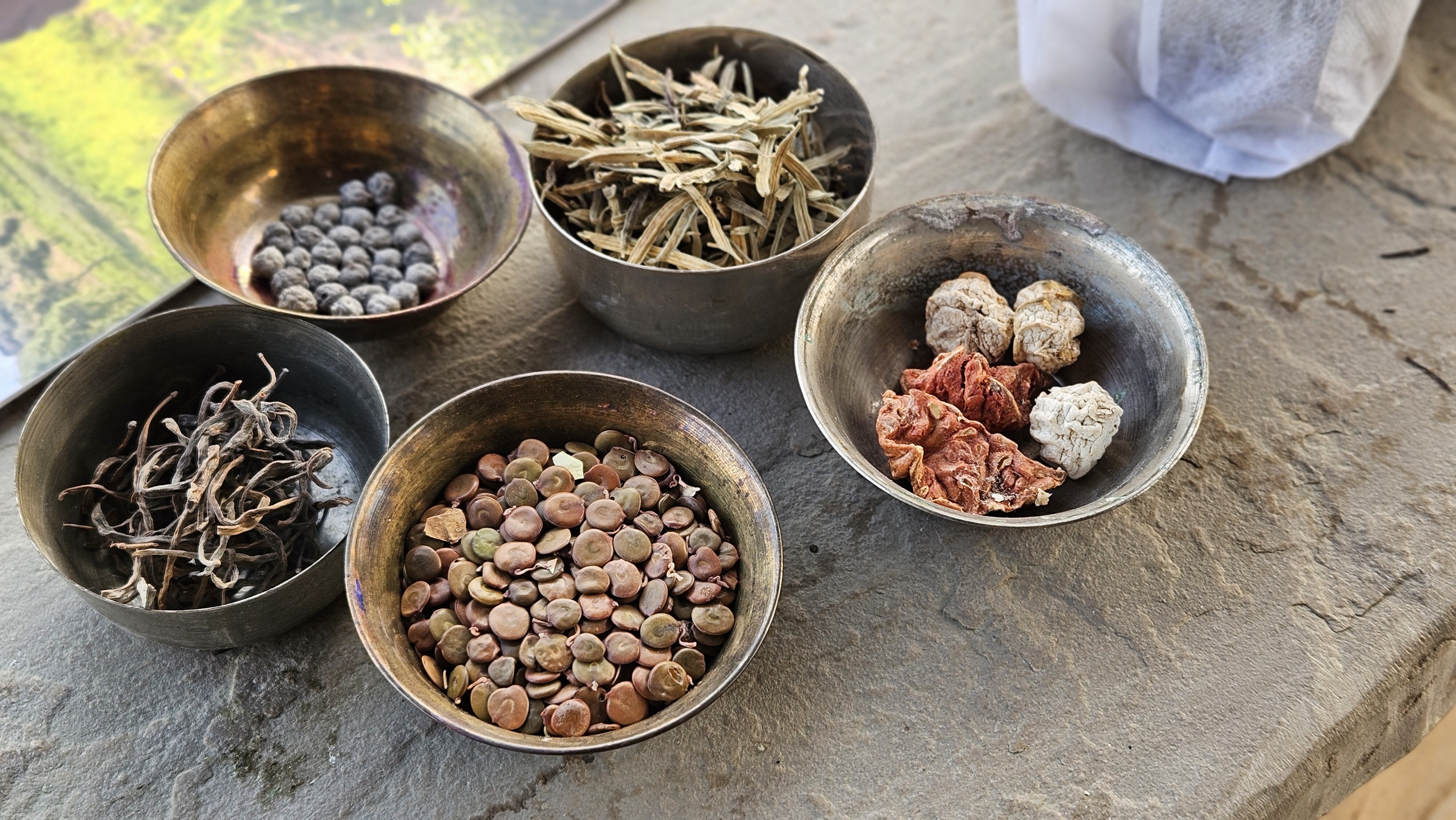
India's renewed interest in millets shows how turning to native foods can boost local economies, protect ecological knowledge and improve food security.
Los cultivos nativos están en riesgo de extinción a menos que todos los actores involucrados trabajen para revertir el daño causado por la agricultura industrial.
Native crops are at risk of extinction unless all stakeholders seek to reverse the damage from industrial farming, impacting our health and sustainability.
世界では、生産される食品の3分の1が廃棄されており、その原因は先進国における過剰消費と、発展途上国における保存・流通の不備にあります。伝統的なインド料理の調理法は、無駄を出さない工夫を凝らす必要があったため、食品ロス削減の一つの手本となります。
Traditional Indian cooking practices, which adopted a zero-food waste approach out of necessity, offer a model for contributing to sustainable global food system.


