
Nature and Biodiversity
5 ways agricultural companies are building more resilient food systems
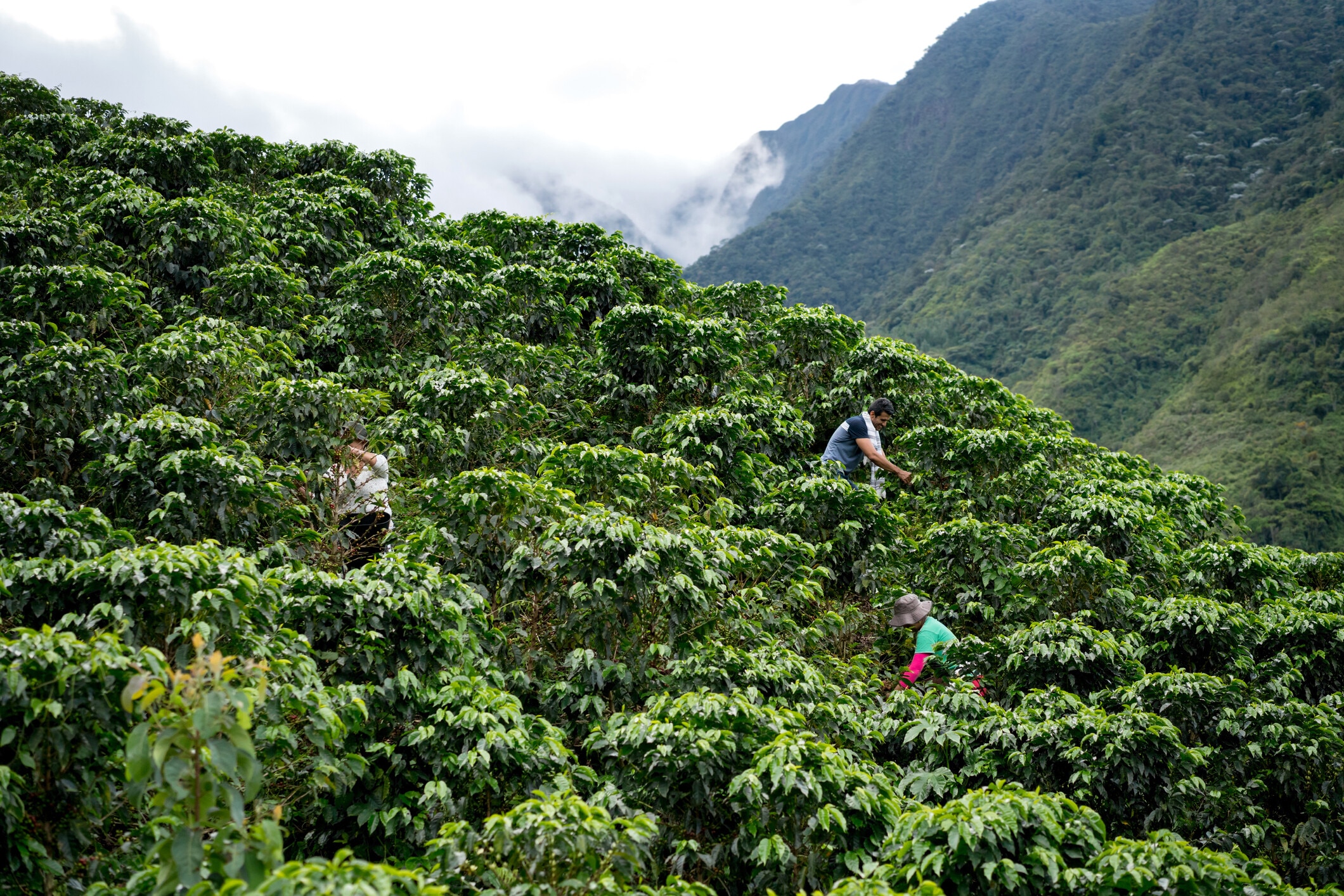
The Agriculture Sector Roadmap to 1.5°C. launched at COP27 helps companies work towards climate and nature goals for food systems.
Felipe is passionate about fostering science-based, long-term solutions to the developmental and environmental challenges currently facing our planet, capturing both global and on-the-ground perspectives. He brings along more than twenty years of experience developing and overseeing programs and initiatives addressing policy, governance, financial instruments, impact metrics, capacity building, private-public partnerships, south-south cooperation, resource management, rural development, conservation, human wellbeing, integrated landscape management and climate change.
He currently serves as Head of Public Sector Engagement for the Tropical Forest Alliance house in the World Economic Forum. In his role, he has served as creative strategist for the Alliance to shape multi-stakeholder engagement processes that connect, influence and mainstream good practices into public led policy discussions and processes.
He holds a bachelor´s Degree in Biology from the Universidad de Costa Rica and a master’s Degree in environmental management from the Nicholas School of Environment, Duke University (USA), with a mayor in Resource Economics and Policy.
The Agriculture Sector Roadmap to 1.5°C. launched at COP27 helps companies work towards climate and nature goals for food systems.
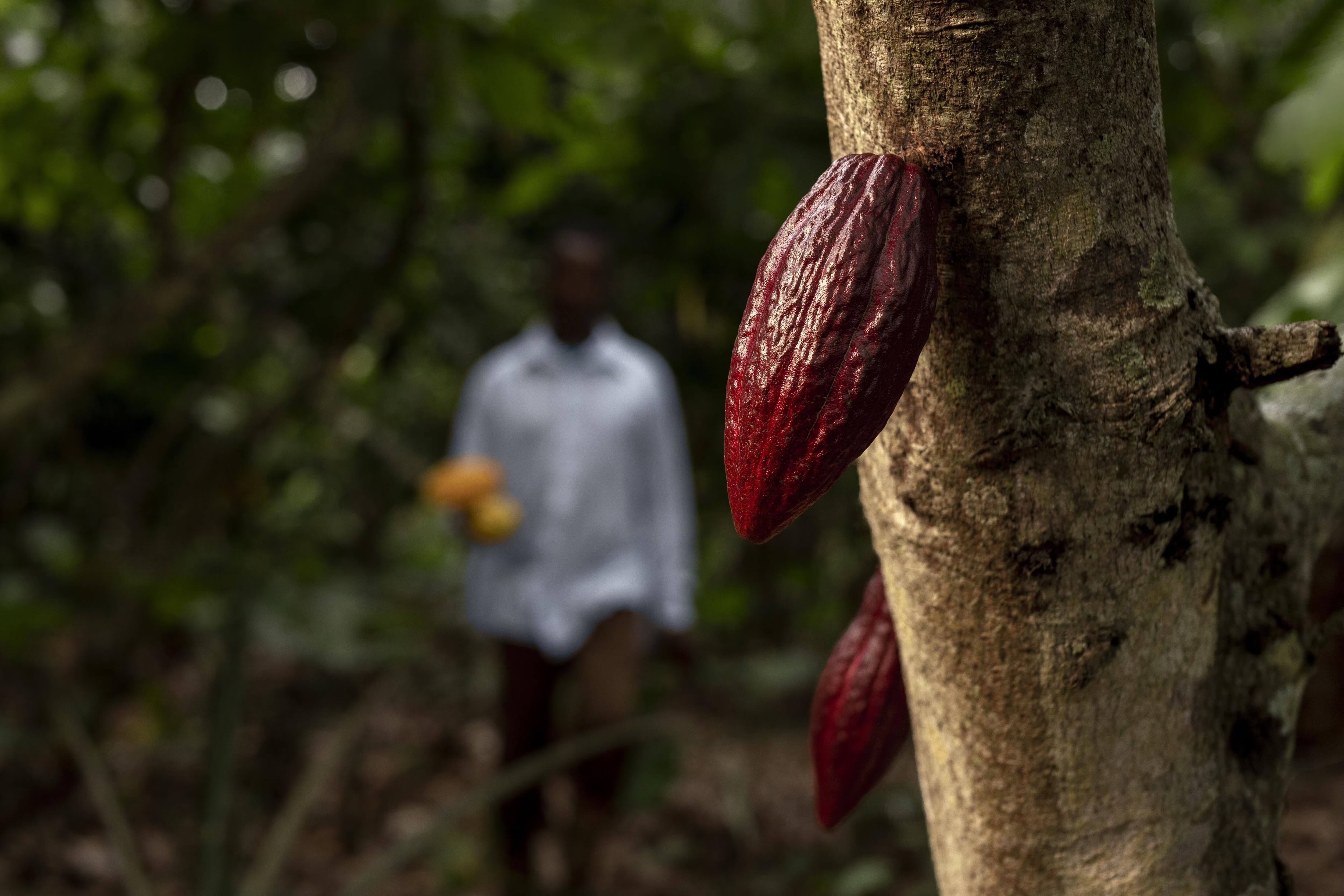
Con las políticas e inversiones adecuadas, las fronteras forestales pueden convertirse en la base de un nuevo modelo económico y en motores del desarrollo sostenible.
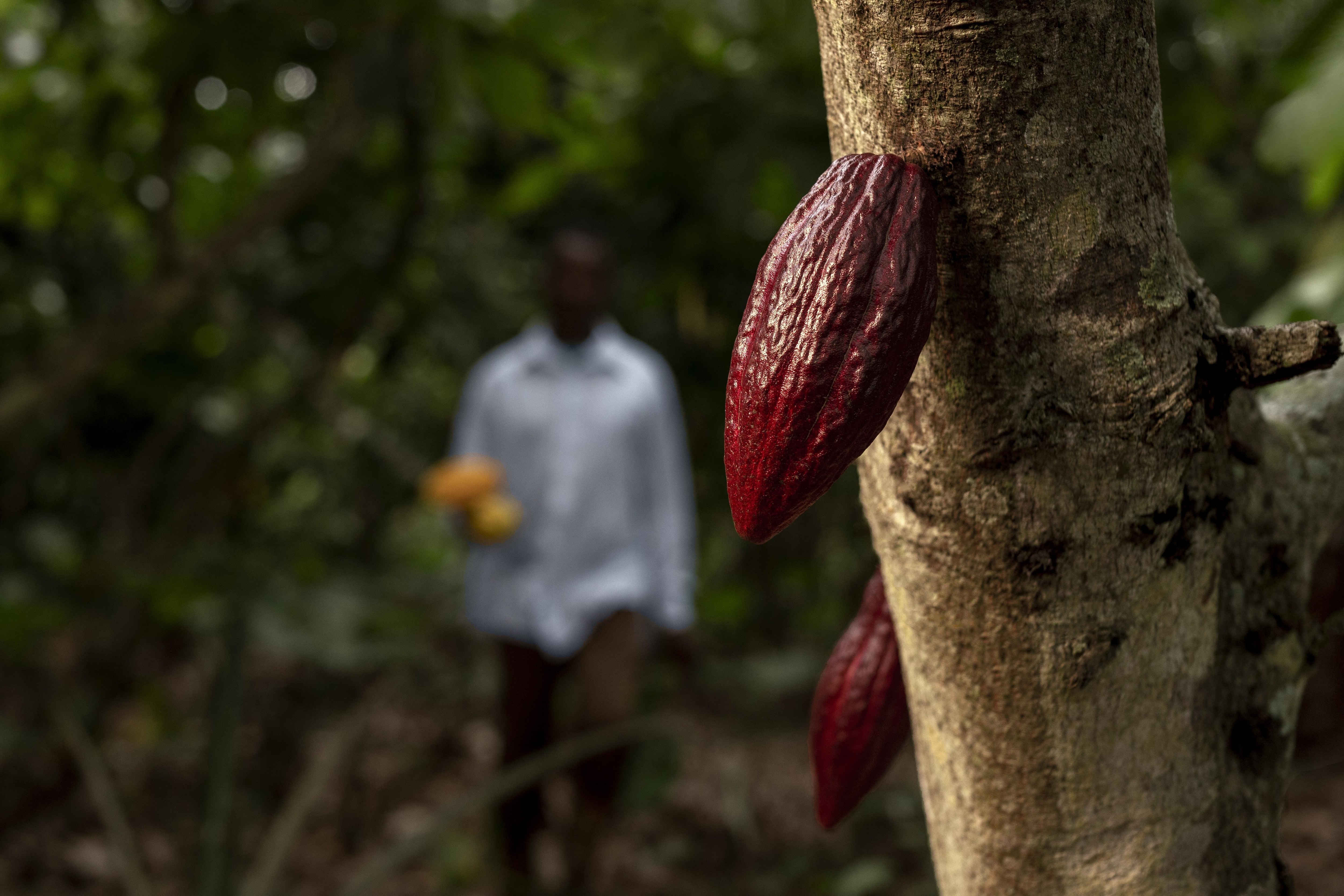
With the right policies and investments in place, forest frontiers can become the basis of a new economic model and engines of sustainable development.
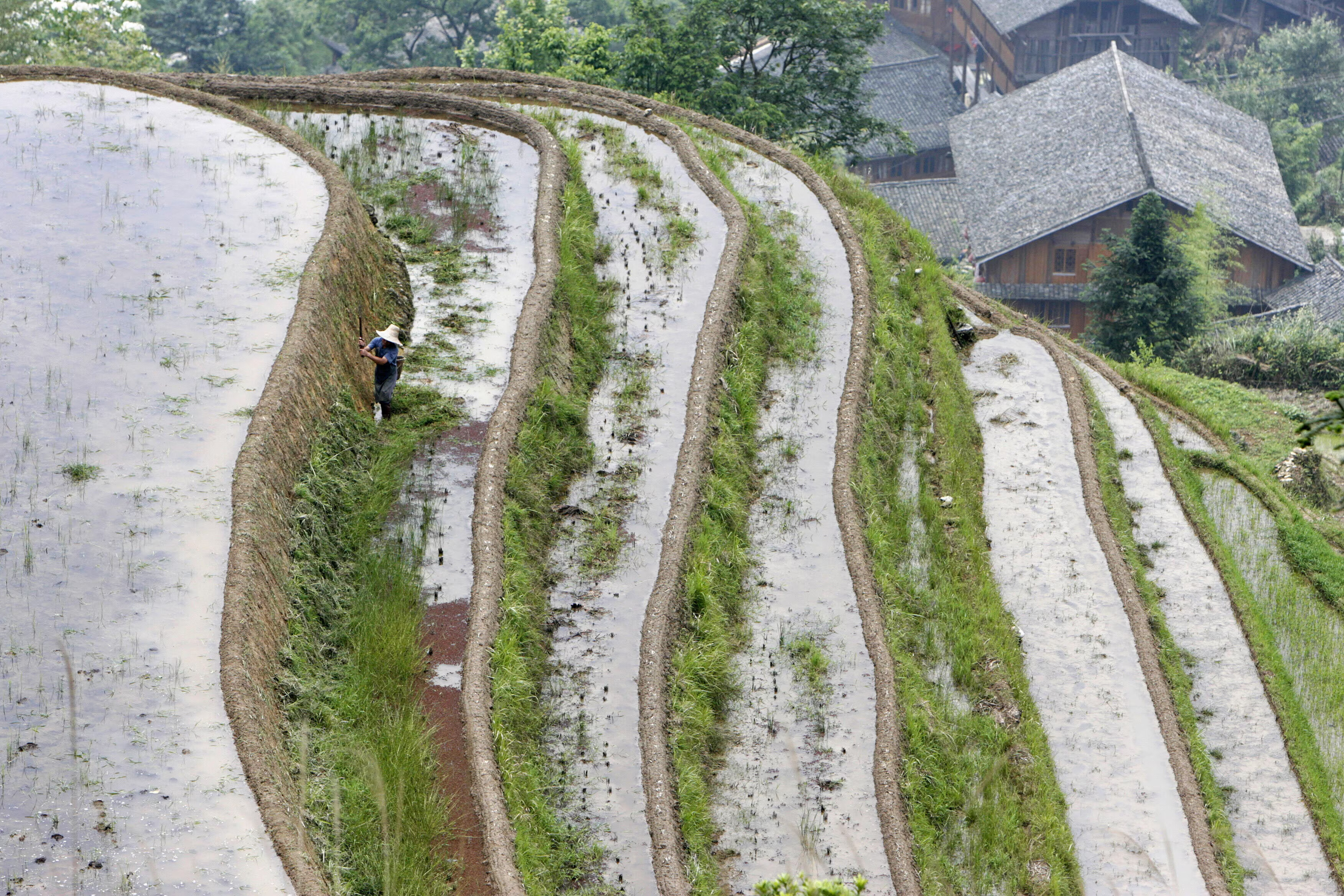
气候变化带来的强降雨、干旱等影响,已经在扰乱全球粮食系统。中国正通过推进气候智慧型粮食生产等行动,将气候目标与粮食安全对齐。减少浪费和打造可持续供应链是中国正在采取的关键策略。
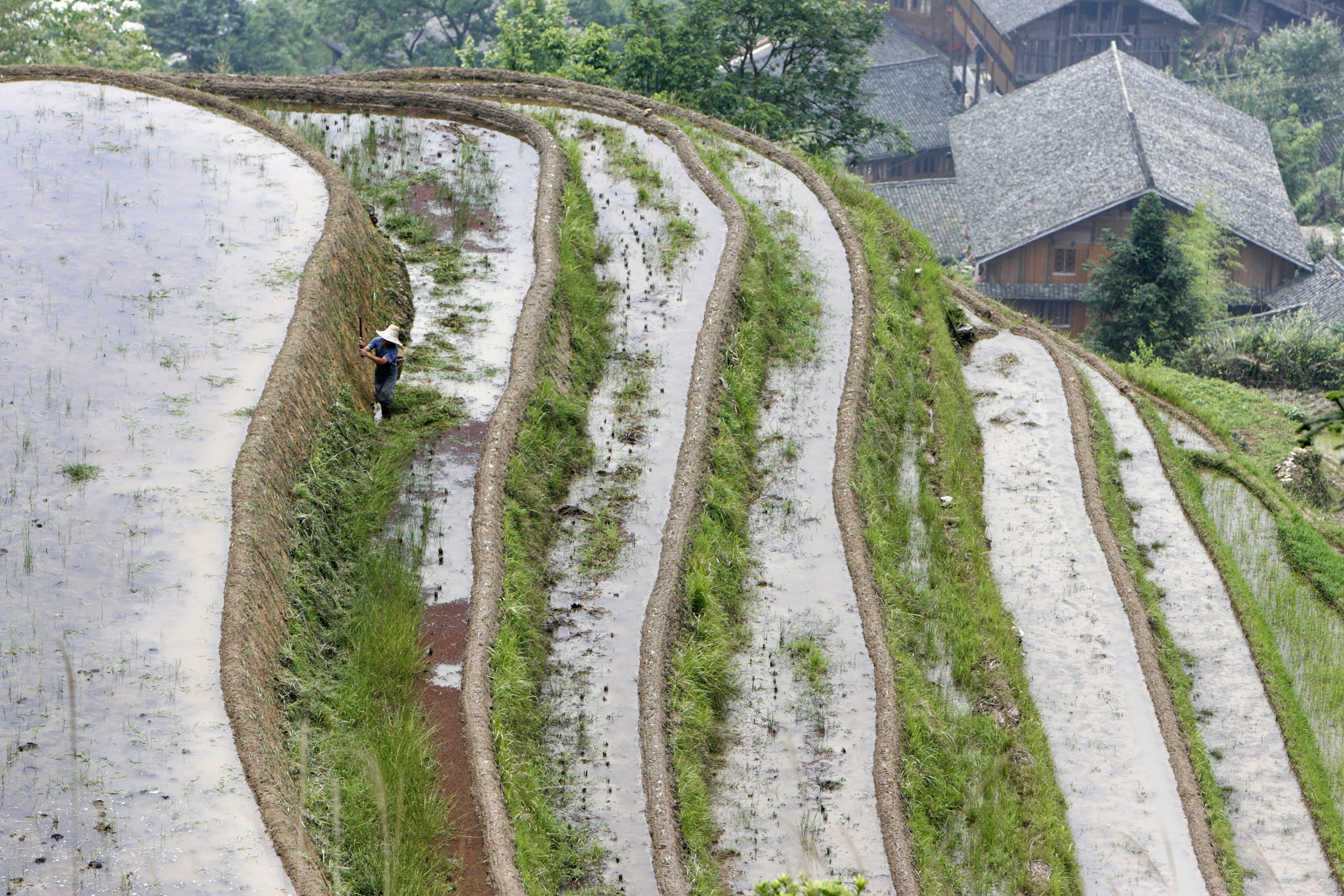
Climate change impacts like heavy rain are already disrupting global food systems. China, the world's largest agricultural producer, is taking action.


