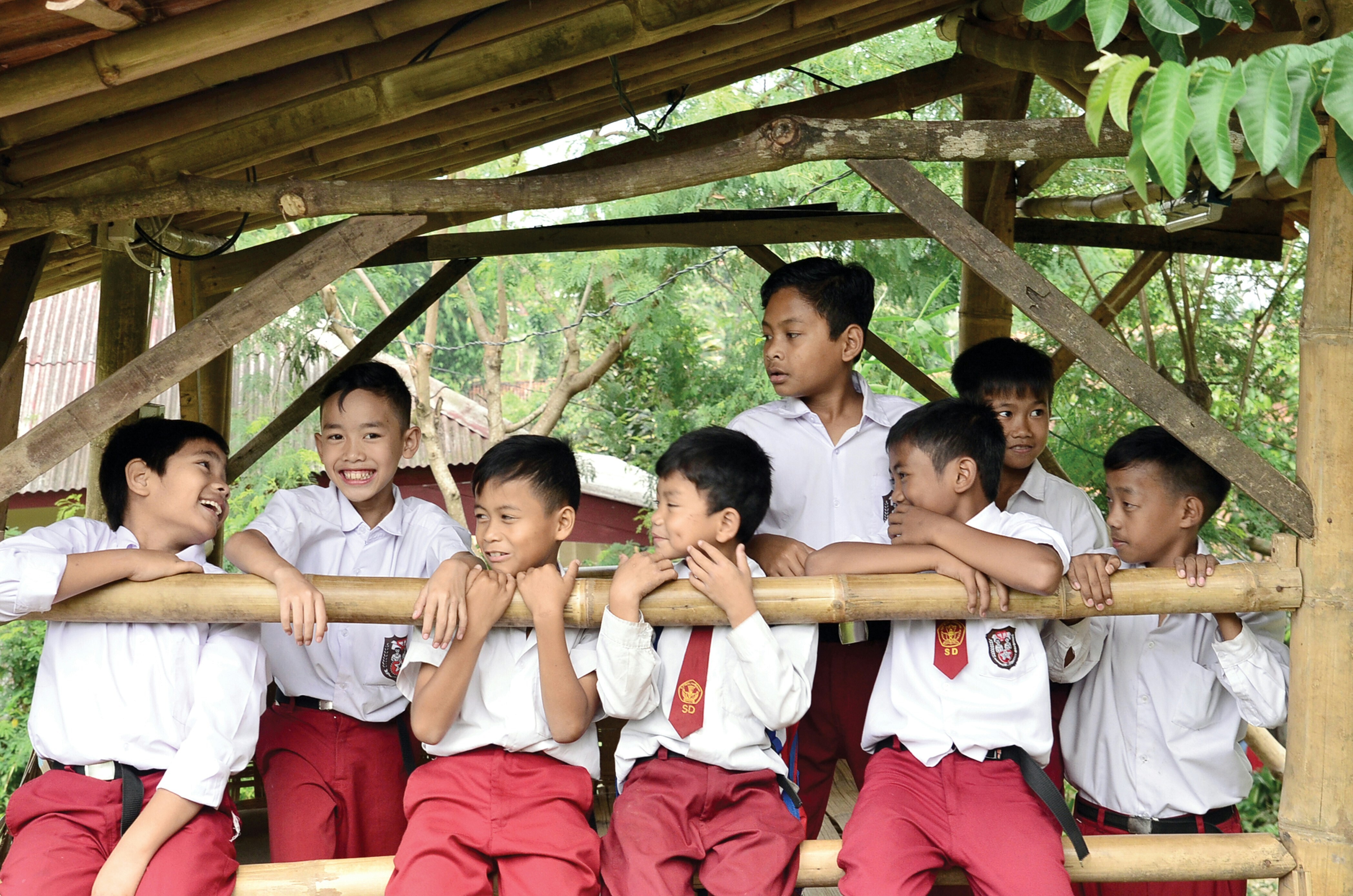

How Indonesia is prioritizing school children’s well-being amid climate change
Extreme heat increasingly threatens children’s health, particularly in countries like Indonesia affected by climate change. Climate education is key for the future
James Balzer is an Australian strategic foresight practitioner, who specialises in helping business and the public sector navigate complex issues for the long-term. He is on the Steering Committee of Next Generation Foresight Practitioners (NGFP), and leads the Intergenerational Fairness in Cities Community of Practice (IGF Cities CoP) through the School of International Futures. He led the Founding Steering Committee of the World Economic Forum’s Future 50 Initiative, supporting global youth to be upskilled in long-term foresight practices to achieve intergenerational fairness. James is also the Foresight Lead at the Odyssean Institute, where he collaborates with international think tanks, governments and business to achieve long-term resilience through methods such as scenario mapping, horizon scanning and sense-making. He continues to be cited by the World Economic Forum in his research on resilient and sustainable infrastructure governance, via the WEF Centre for Nature and Climate. He is also a Researcher at the Disruptive Futures Institute, where he conducts world-first research into the role of anticipatory governance in long-term carbon market reform, in collaboration with Lux Carbon Standard - Brazil's first carbon credit certifier. He has also worked for the Australian and New South Wales Governments, along with UN Habitat Bangkok and UNESCO. James is an Adjunct Fellow at Macquarie University, a Guest Lecturer at Waseda University and a Visiting Lecturer to the Institute for Environment and Sustainability, Lee Kuan Yew School of Public Policy.
Extreme heat increasingly threatens children’s health, particularly in countries like Indonesia affected by climate change. Climate education is key for the future
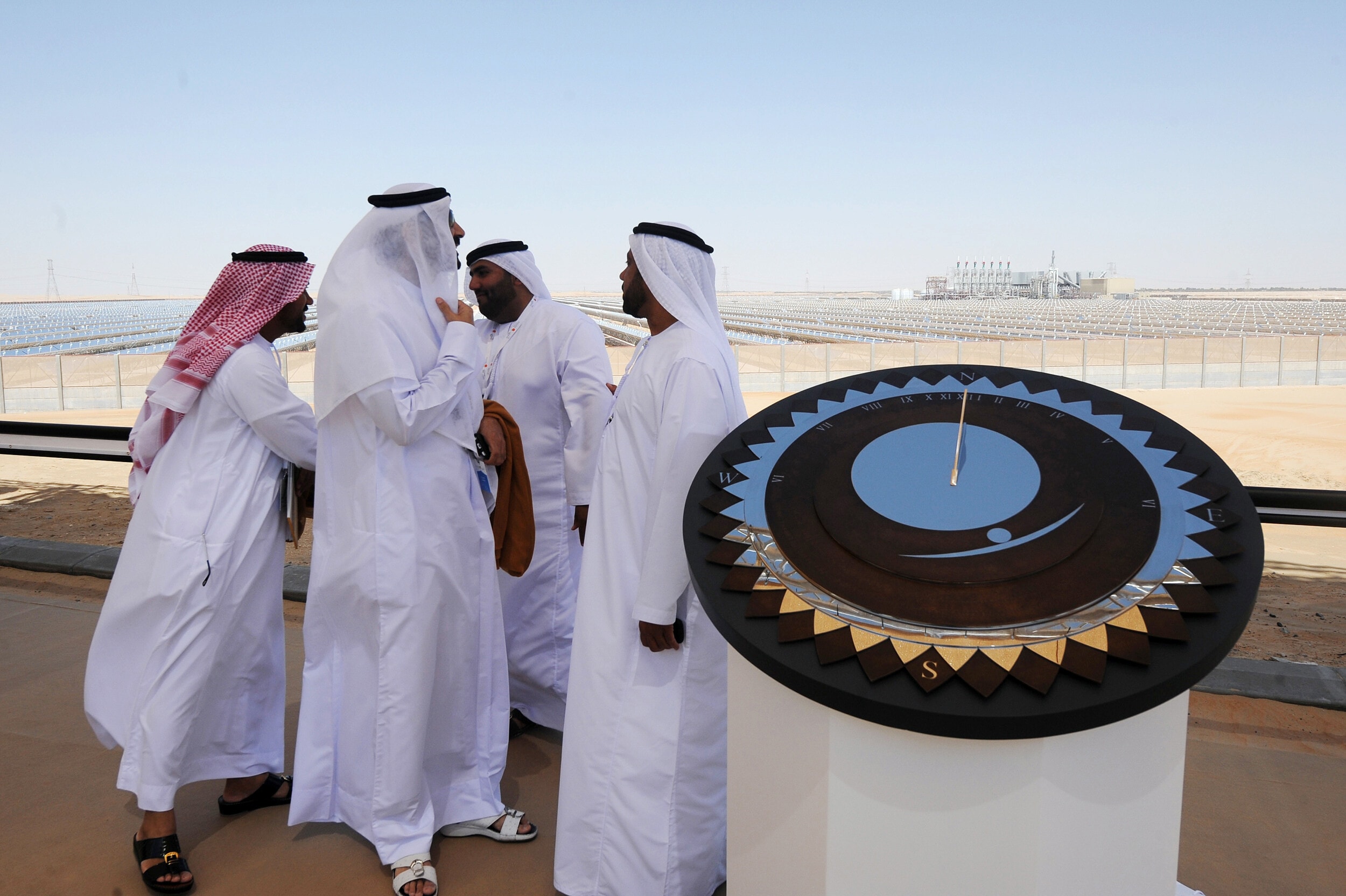
Strategic foresight can help Gulf states transition from oil dependence to climate resilience by utilising frameworks balancing past, present and future.

The policymaking systems tasked with addressing the world's challenges remain overwhelmingly short-term, linear and reactive. Is this what needs to change?
Rather than adopting the doughnut 'as is', the Global South must reinterpret it as a two-step process: just growth followed by the stabilization phase.
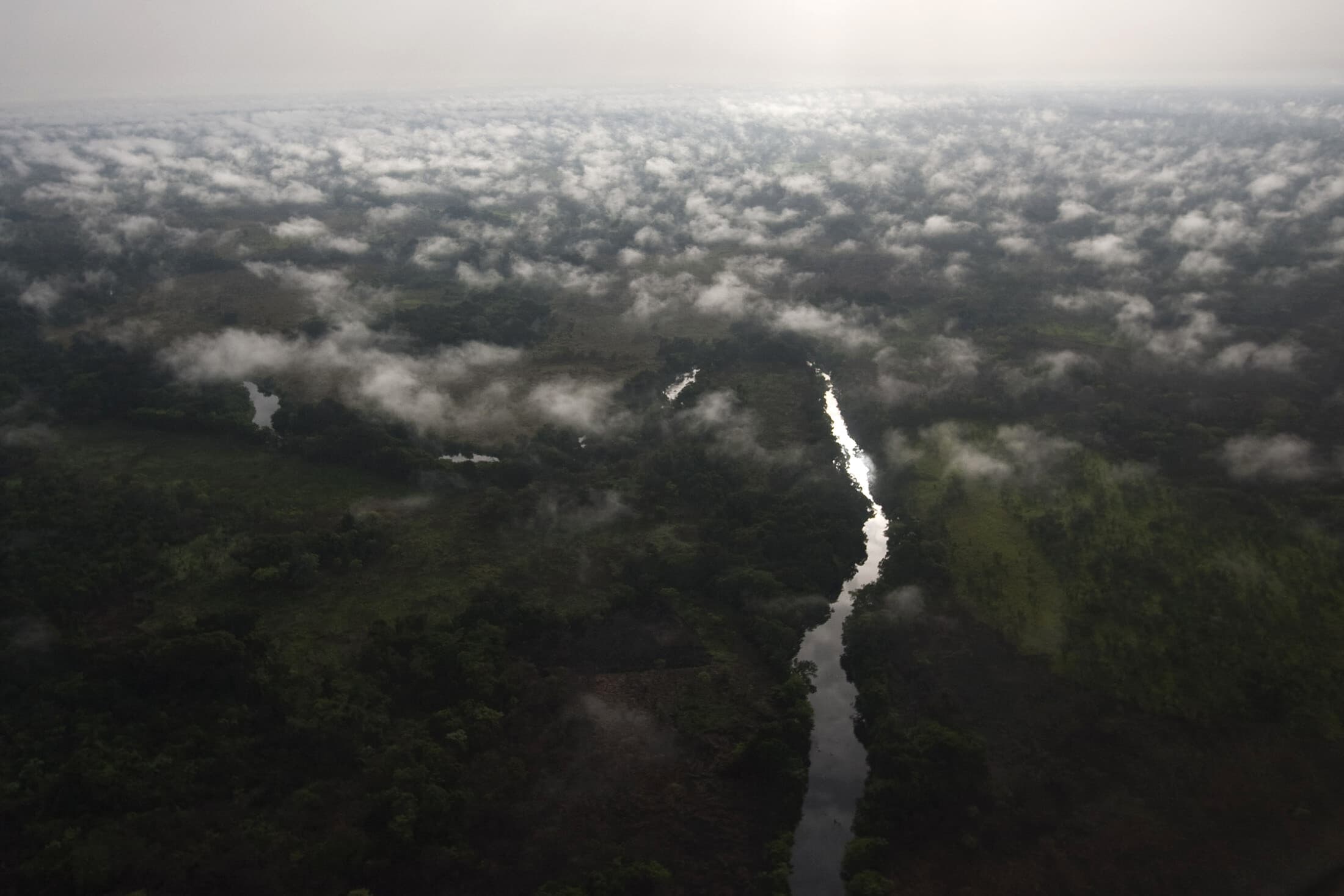
Africa holds vast carbon sequestration potential but with inequitable global finance distribution. Closing the gap could unlock unleash climate progress.

Mission-oriented policy can unite health, agriculture and the environment under shared goals, fostering collaboration and preventing zoonotic crises.

A medida que se agrava la crisis climática, adaptar las infraestructuras no solo refuerza la resiliencia, sino que garantiza la equidad para las generaciones futuras.

As the climate crisis deepens, climate proofing infrastructure is essential, not just for resilience, but also to ensure fairness for future generations.

Research shows that green and blue infrastructure can mitigate physical risks and foster the social cohesion critical for cities to survive climate change.


