


Forum in Focus
ダボス年次総会2023:都市と地域経済の未来
今年の世界経済フォーラムの年次総会では、都市開発と地域経済の改善に向けた、都市主導の取り組みが紹介されました。都市における気候変動対策の中心に、自然とサーキュラリティーを置くことが都市の未来を作ります。そして、都市変革を推進するテクノロジーには、シェアード・ガバナンスが必要不可欠です。
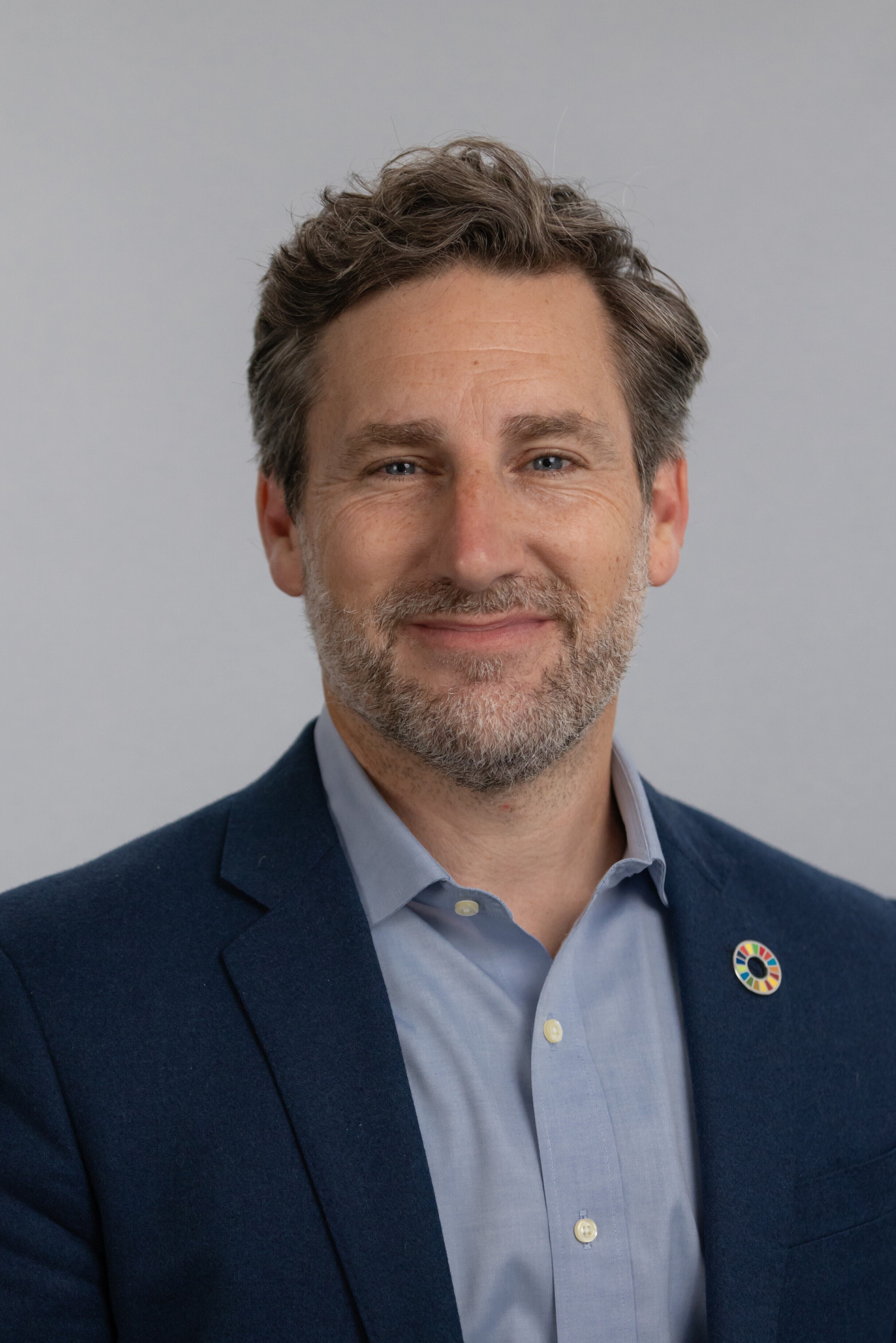
Internationally recognized expert in the area of urban development, emerging technologies, and government innovation with more than 25 years of experience driving social change in the U.S. and abroad.
As Head of the World Economic Forum’s Centre for Urban Transformation, he leads a global team working to advance public-private collaboration in more than 140 cities across the world. Prior to joining the World Economic Forum, he served as New York City’s first-ever Director of Innovation.
Key highlights from his work include helping organize the first entirely online public election in U.S. history; laying the groundwork for the world’s largest, fastest municipal Wi-Fi network; orchestrating the launch and roll-out of the world’s largest city top-level domain; establishing the G20 Global Smart Cities Alliance to advance the responsible and ethical use of smart city technologies; and, most recently, establishing a new global Alliance for Urban Innovation to support the revitalization and resiliency of urban economies.
He holds a Master’s degree from Columbia University’s School of International and Public Affairs and a Bachelor’s Degree from the University of Michigan.
今年の世界経済フォーラムの年次総会では、都市開発と地域経済の改善に向けた、都市主導の取り組みが紹介されました。都市における気候変動対策の中心に、自然とサーキュラリティーを置くことが都市の未来を作ります。そして、都市変革を推進するテクノロジーには、シェアード・ガバナンスが必要不可欠です。

Further action points from Davos 2023 centred on cities and local economies and included climate action, technology, innovation and urban transformation.

Addressing concerns in ethical use, security and equity of connected devices requires public and private sectors to develop standards and best practices.

Equipped with IoT technology, small and medium businesses — employing over 50% of people worldwide — will become more sustainable and more profitable.

Cities looking to use 4IR tools will have to address challenges of accountability, restricting the misuse of technology and ensuring citizen privacy.

To meet our net-zero goals, we must focus on our cities. Here's how digitalization and more sustainable electrification can kickstart the change we need.

We are at a critical juncture, where governance decisions will decide if our kids grow up in cities that look more like utopian dreams or nightmares.

過去数年、日本の物理的インフラやデジタルインフラは将来性の高い大きな進展を遂げています。世界経済フォーラムの「国際競争力指標2017-2018」では、<技術成熟度>の項目で順位を4つ上げ、イノベーションランキングでは世界第8位に。安倍晋三首相は2020年東京五輪までに「ロボット産業を経済成長戦略の主要な柱の1つにする」ことを掲げています。

Tokyo aims to be the first mega city in the world to allow drones to carry out deliveries.


