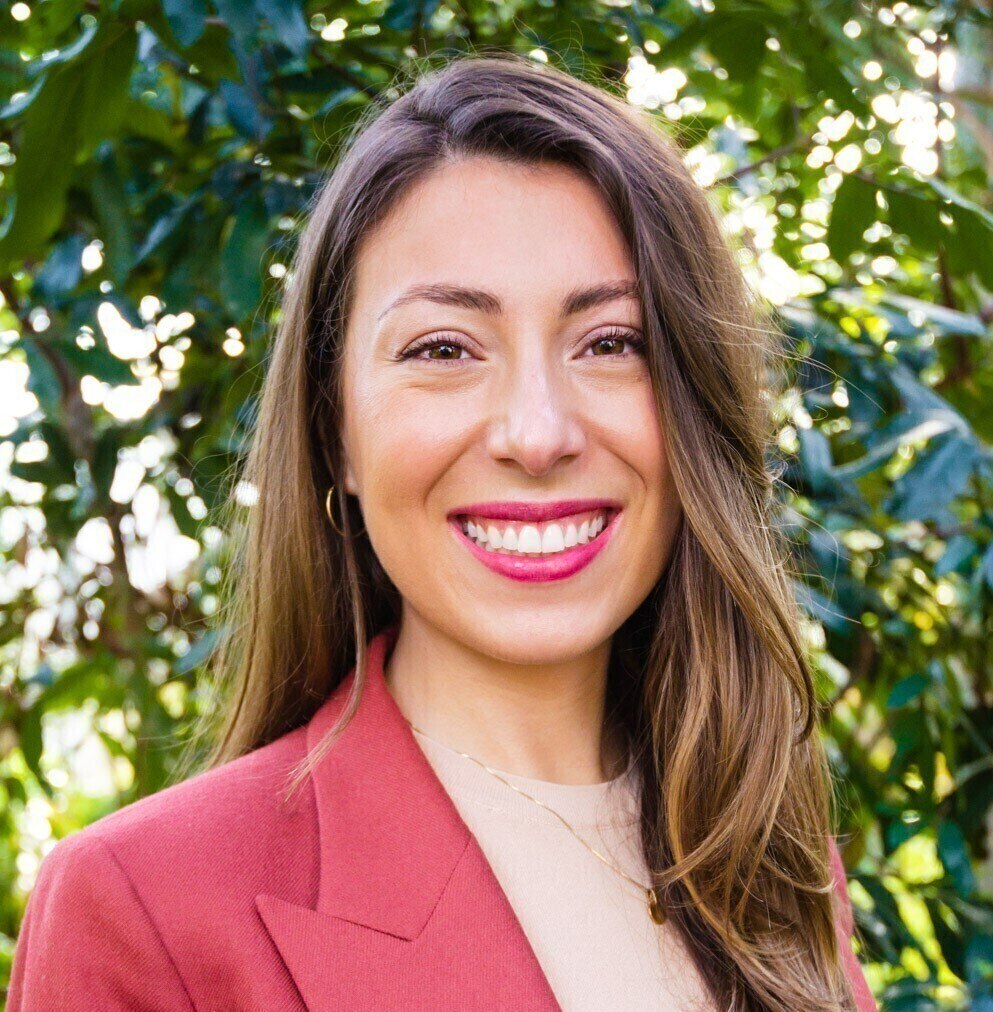
Julia Franchi Scarselli is a climate impact strategist and social entrepreneur, dedicated to advancing climate innovation and experienced in delivering community-led projects in Europe and the United States. At the World Economic Forum, she oversees strategic communications and programme development for the First Movers Coalition, driving the decarbonization of hard-to-abate industries. Julia co-founded Libellula, an award-winning regenerative agriculture initiative, and actively contributes to the development of early-stage climate projects. She is recognized for her TEDx talk, in which she underscores the critical role of smallholder farmers in the transition to a sustainable food system. Julia holds a BA in Environmental Science & Policy from Smith College.