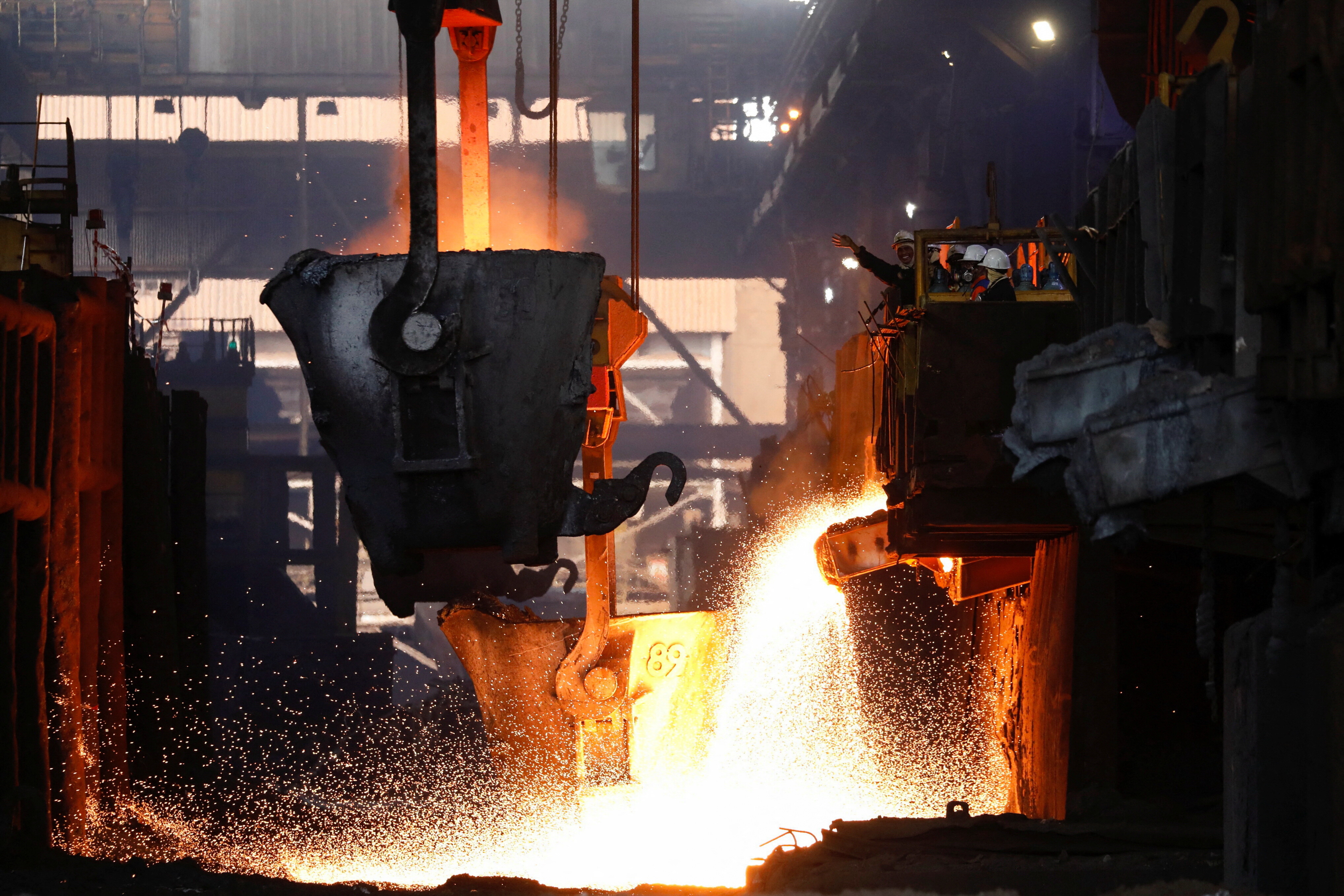
Cómo los países emergentes pueden sobrevivir y prosperar en medio de la rivalidad geopolítica
La oleada de políticas industriales dictadas por razones geopolíticas puede marginar a las economías emergentes. Así es cómo pueden afrontar ese desafío.
Currently represents 11 countries from MENA on the IMF's Board as Executive Director and is the UN Special Envoy on Financing the 2030 Agenda for Sustainable Development. Also is High-Level Climate Action Champion for COP27 hosted in Egypt. Formerly World Bank Group Senior Vice President for the 2030 Development Agenda, UN Relations and Partnerships. He previously held numerous senior positions in the Government of Egypt, including Minister of Investment. He also served on several Boards of Directors, including the Central Bank of Egypt and the banking, corporate, and academic sectors. He is also Professor of Economics and Finance at Cairo University and Honorary Professor at Durham University.
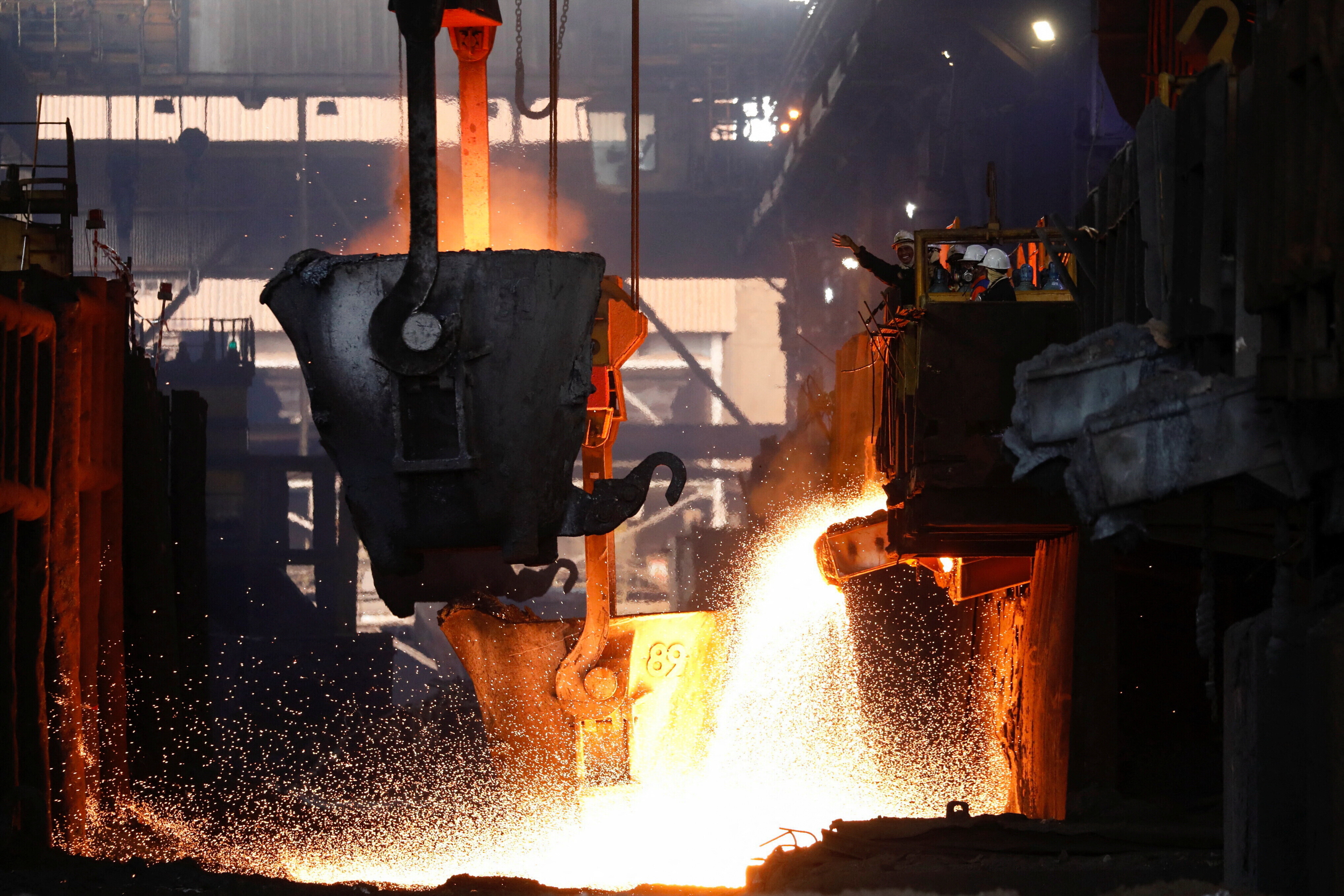
La oleada de políticas industriales dictadas por razones geopolíticas puede marginar a las economías emergentes. Así es cómo pueden afrontar ese desafío.
The current era of geopolitically driven industrial policy risks squeezing out emerging economies. Here's how they can take back control
Effective climate action must be carried out on the local level. In Egypt, a government initiative is mobilizing local climate financing. Here's how.
The global financing gap for sustainable development has grown to $4.2 trillion, making private investment, strategic reforms and collaboration urgent.
For decades GDP has been our primary and often sole measure of progress. That is changing — today, nature-positive measures of progress are gaining ground.