

The great reset must place social justice at its centre
New institutions need to actively intervene to build a future where people of all racial, social, gender and economic backgrounds can excel.
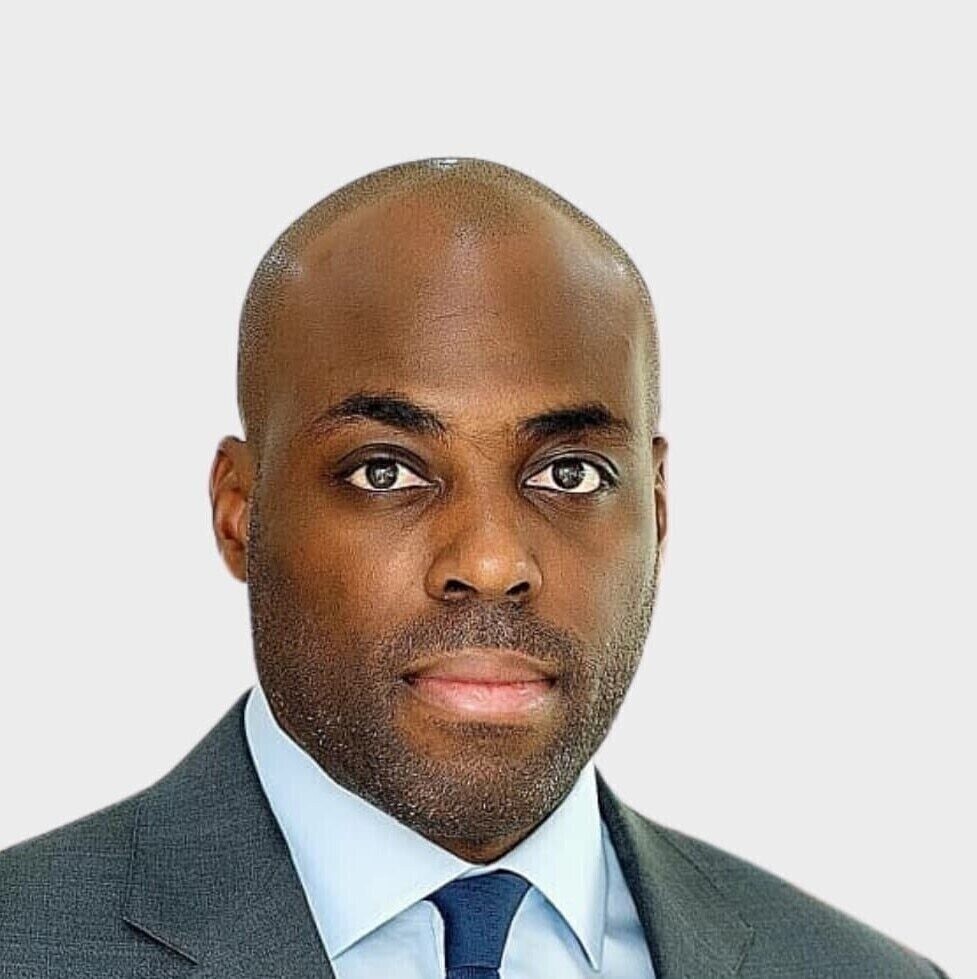
Mark Doumba is a serial entrepreneur, investor, development economist, and policymaker.
He currently serves as Gabon’s Minister of Digital Economy and Innovation, leading the country’s digital transformation across government, business, and financial services, and positioning Gabon as a regional hub for inclusive technology-driven growth.
Previously, as Minister of Economy and Public Holdings, he spearheaded reforms to strengthen governance, improve the business climate, refine fiscal policy, and accelerate key infrastructure projects through public–private partnerships.
Before entering public service, Mark founded and led CLIKPAY Technologies, which built Central Africa’s first licensed and regulated neobank. He also founded Enovate Capital, an impact investment firm active across Africa, the Middle East, and Asia. Enovate’s ventures have raised over US$100 million, expanded financial access to more than 200,000 underbanked customers, provided healthcare to over 70,000 patients, formalized 50,000 small businesses, connected one million people to telecom services, and created more than 500 jobs.
On the global stage, he advised the Green Climate Fund in its formative years, contributed to the World Economic Forum’s Global Agenda Council on the Future of Mining and Metals, co-founded Okoumé Capital, Gabon’s sovereign venture fund, and currently serves on the Digital Innovation Board of the UN’s International Telecommunications Union (ITU), advancing innovation ecosystems in developing economies.
Mark studied at George Washington University, the London School of Economics, and Harvard Kennedy School, where he was Managing Editor of the Africa Policy Journal. He is a Foundry Fellow at MIT and a World Economic Forum Young Global Leader (2025).
His work focuses on building systems that expand opportunity, empower communities, and prepare economies for a digital, inclusive, and sustainable future
New institutions need to actively intervene to build a future where people of all racial, social, gender and economic backgrounds can excel.

Pour la première fois depuis 25 ans, la majorité des économies africaines entreront cette année en récession.

"In Globalization 4.0, companies that have nothing to do with growing cocoa still capture a disproportionate amount of profits from its end products."

Every year in developing economies, thousands of young, talented workers return home wanting to change their countries. The challenges they face in doing so are enormous.


