


Jobs and the Future of Work
基于行为痕迹的招聘:AI时代,如何让人才评估回归本真?
生成式人工智能使招聘系统充斥着大量低投入的求职申请,导致传统简历变得极不可靠。基于算法的申请人跟踪工具往往会延续历史偏见,且无法识别人的关键能力。基于行为痕迹的招聘有望通过评估候选人如何开展协作并解决现实问题,恢复真实的人工评估。
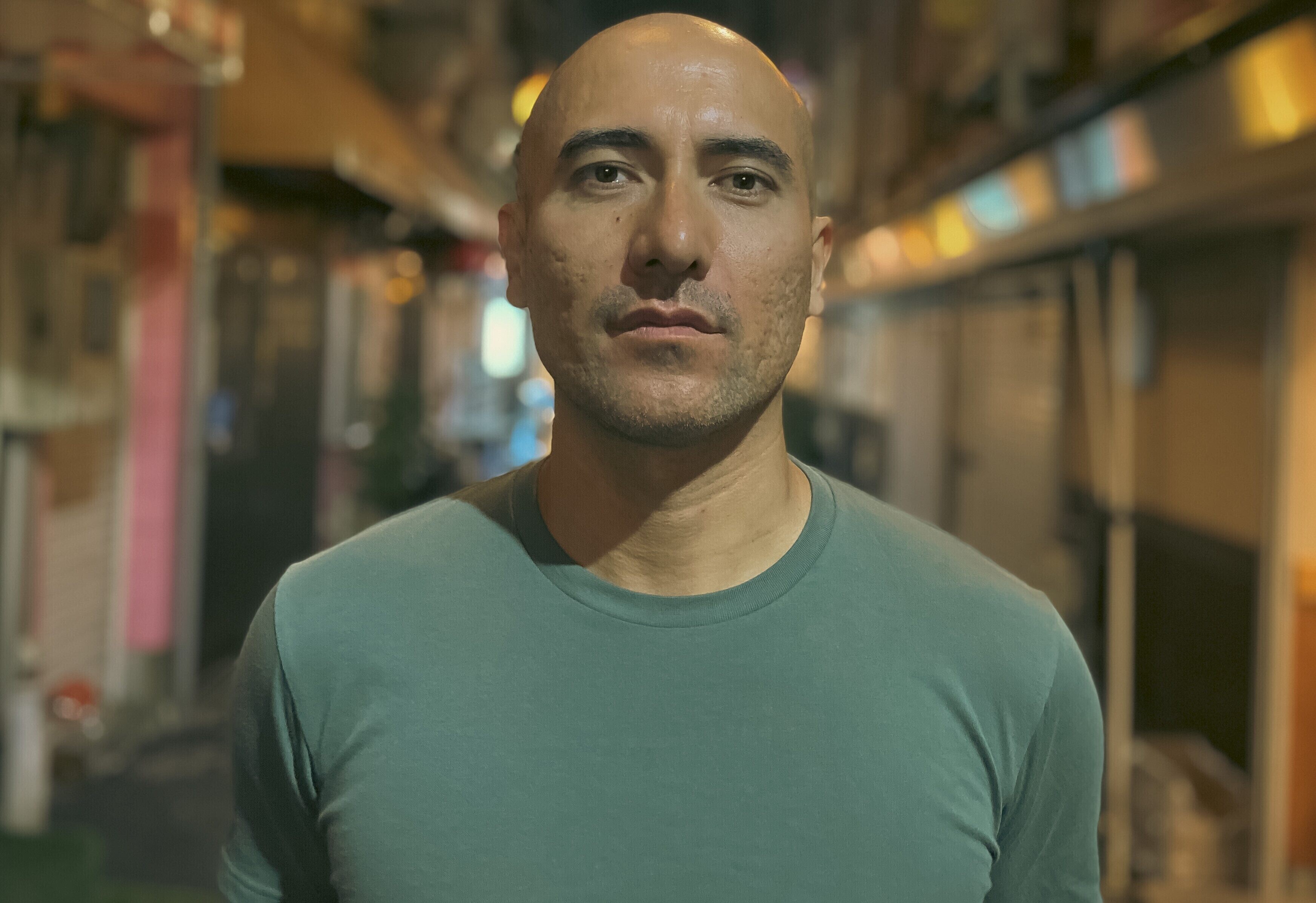
Marvin Starominski-Uehara teaches at Temple University Japan and researches emerging intelligence in complex systems. He is the principal investigator of the Stigmergy Network Theory project and a guest editor for an upcoming special issue of Interface Focus (Royal Society) on collective coordination across biology and digital society. His research sits at the intersection of how individuals and organizations make decisions under uncertainty and what it takes to design conditions where genuine capability becomes visible. He is the creator of 'Trace Pedagogy' and holds a Ph.D. in Risk Management and Public Policy from the University of Queensland and a Master's in Public Administration and Disaster Management from the University of Hawaiʻi at Mānoa. He is an alumnus of the East-West Center.
生成式人工智能使招聘系统充斥着大量低投入的求职申请,导致传统简历变得极不可靠。基于算法的申请人跟踪工具往往会延续历史偏见,且无法识别人的关键能力。基于行为痕迹的招聘有望通过评估候选人如何开展协作并解决现实问题,恢复真实的人工评估。

AI has flooded hiring with low-effort resumes. But "trace hiring" could helps leaders bypass the noise to identify truly skilled candidates.
