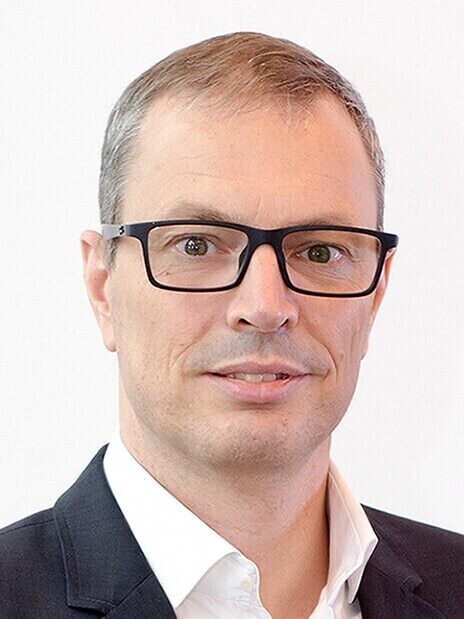
Peter De Caluwe is the CEO and Deputy Chairman of Thunes, the Smart Superhighway to move money around the world. He leads Thunes’ strategic and operational efforts to accelerate real-time, secure and cost-efficient cross-border payments, with a focus on expanding the Direct Global Network and advancing financial inclusion in emerging markets. The company is committed to enabling businesses and individuals, especially in emerging markets, to send and receive money in real time with unmatched speed, transparency, security, and cost efficiency.
A fintech and B2B payments veteran with 25+ years’ experience, Peter is a serial entrepreneur and pioneer. He spent the first 10 years of his career in card acquiring and issuing. Peter then co-founded Ogone, Europe’s first leading internet payment gateway, and, as COO and later CEO, scaled the business before its acquisition. He also incubated PayU at investment company Naspers (now Prosus) and ran DT One, where he delivered significant commercial growth. While at DT One Peter co-founded Ezra, a leading micro-lending fintech, and Thunes, where he has played a central role in its growth and international expansion over the years.