

5 faits à connaître pour comprendre le nouvel ordre mondial
Au moins trois versions différentes du futur ordre mondial ont été confrontées lors du rassemblement du Forum économique mondial à Davos la semaine dernière. Lesquelles ?
Dr. Robert Muggah is a political economist focused on geopolitical risk, smart cities, digital safety and security, and climate tech and adaptation. He cofounded the Igarapé Institute, an award-winning think and do tank devoted to leveraging new technologies to tackle global challenges in 2010 . He’s also the co-founder and principal of SecDev Group, a cybersecurity and digital risk firm. He advises senior leadership in government and the private sector in Latin America, Eurasia, South Asia and Africa.
For two decades Robert has provided strategic advisory services to global energy and tech companies (Bytedance, Google, Meta), McKinsey’s, UN agencies, the IADB, IMF, and the World Bank. He is a non-resident fellow at Singularity University, Princeton University, the Graduate Institute in Geneva, the Chicago Council for Global Affairs, Bosch Foundation, and the Canadian Global Affairs Institute.
At WEF, Robert served three terms on the Global Agenda Council on the Future of Cities and Councils devoted to humanitarian action and conflict prevention. He is an advisor to the Global Risk Report (2018-present). Robert is also a fellow with the Global Initiative Against Transnational Organized Crime; Know Violence in Childhood Initiative, and Co-Chair of the Lancet Commission on Violence.
Robert provides keynote talks in a wide range of international audiences, including TED talks on fragile and resilient cities in 2019, 2017 and 2015. In 2023 he coordinated a TEDx event in the Amazon, bringing together over 50 speakers and 1,000 participants, including from all 8 countries in the region.
Robert is involved in a number of start-ups and is working on issues of AI governance. He is a co-founder of Bioverse, a forest data inventory company that leverages remote sensing and fixed wing drones to assess biodiversity abundance. He is also supporting SuperNature, a regenerative urban design studio that reimagines the future of cities. With support from GIF, Robert recently set-up a global task force on AI ethics and safety in 2022 which includes representatives from the Americas, Europe, Africa and South and Southeast Asia.
An avid map collector, Robert creates data visualizations and predictive analytics on homicide, arms, and cities, all of which have been featured by the BBC, CBC, CNN, FastCompany, Financial Times, Foreign Affairs, New York Times, Washington Post. and Wired. A columnist at Foreign Policy, he is the author of eight books, dozens of articles, most recently Terra Incognita: 100 Maps to Survive the next 100 Years (Penguin/Random House).
Robert has a PhD from the University of Oxford.
Au moins trois versions différentes du futur ordre mondial ont été confrontées lors du rassemblement du Forum économique mondial à Davos la semaine dernière. Lesquelles ?

Robert Muggah and Yves Tiberghien argue that the world is shifting to a new multi-polar global order, as the era of US hegemony comes to an end.

There is growing consensus that populism constitutes a grave threat to liberal democracy, and to the liberal international order on which peace and prosperity have rested for the past two...

China will soon surpass the US in economic terms – and is taking the lead on everything from climate change to the digital economy.

Robert Muggah and Taylor Owen explore global democracy and analyse fears that the liberal order is in decline.

De nouvelles entités politiques sont sur le point de remplacer les anciens Etats-nations.

Friday´s savage attack in Egypt is a reminder that the vast majority of terrorist-related killings occur in less well known cities far from the media glare.

Thanks to populism and secessionism, the short-lived reign of nation states is in decline. But what will take their place?

Countries are struggling to keep up with the pace and scale of change. With their flexible, cooperative outlook, cities are perfectly poised to take over.

过去五年,世界范围内的恐怖主义事件增长惊人。

While the threat of terrorism in Europe is genuine, it is dramatically lower than just about anywhere else in the world.

Where nation states and populists are closing borders and rejecting migrants, cities are open, diverse and cosmopolitan - making them a potential antidote to reactionary nationalism aroun...
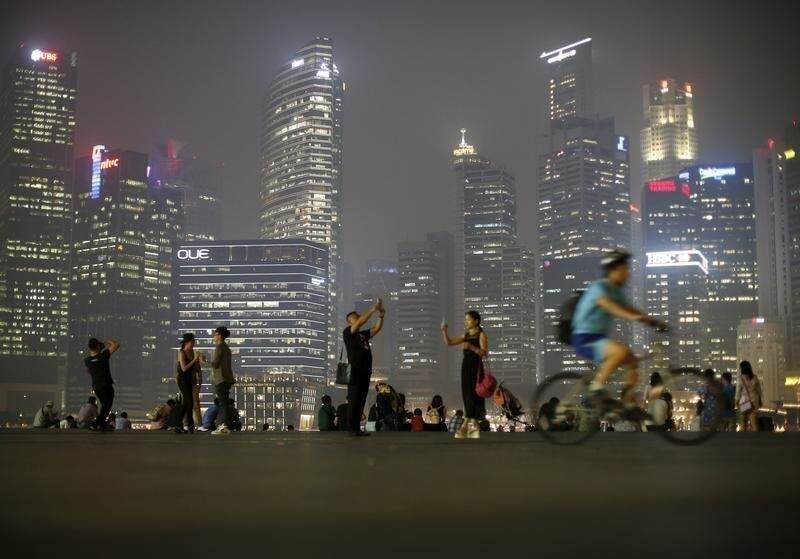
Most nation states have failed to deal with the major global challenges of our era. In their place, cities are stepping up, and these data visualizations help us understand how.
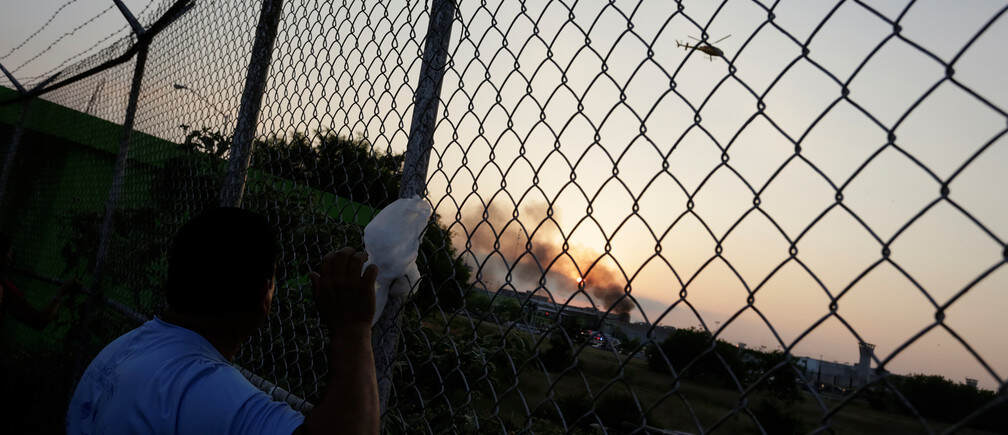
Los homicidios en América Latina aumentan en un momento en que los asesinatos disminuyen prácticamente en todo el resto del mundo. La buena noticia es que no son inevitables.
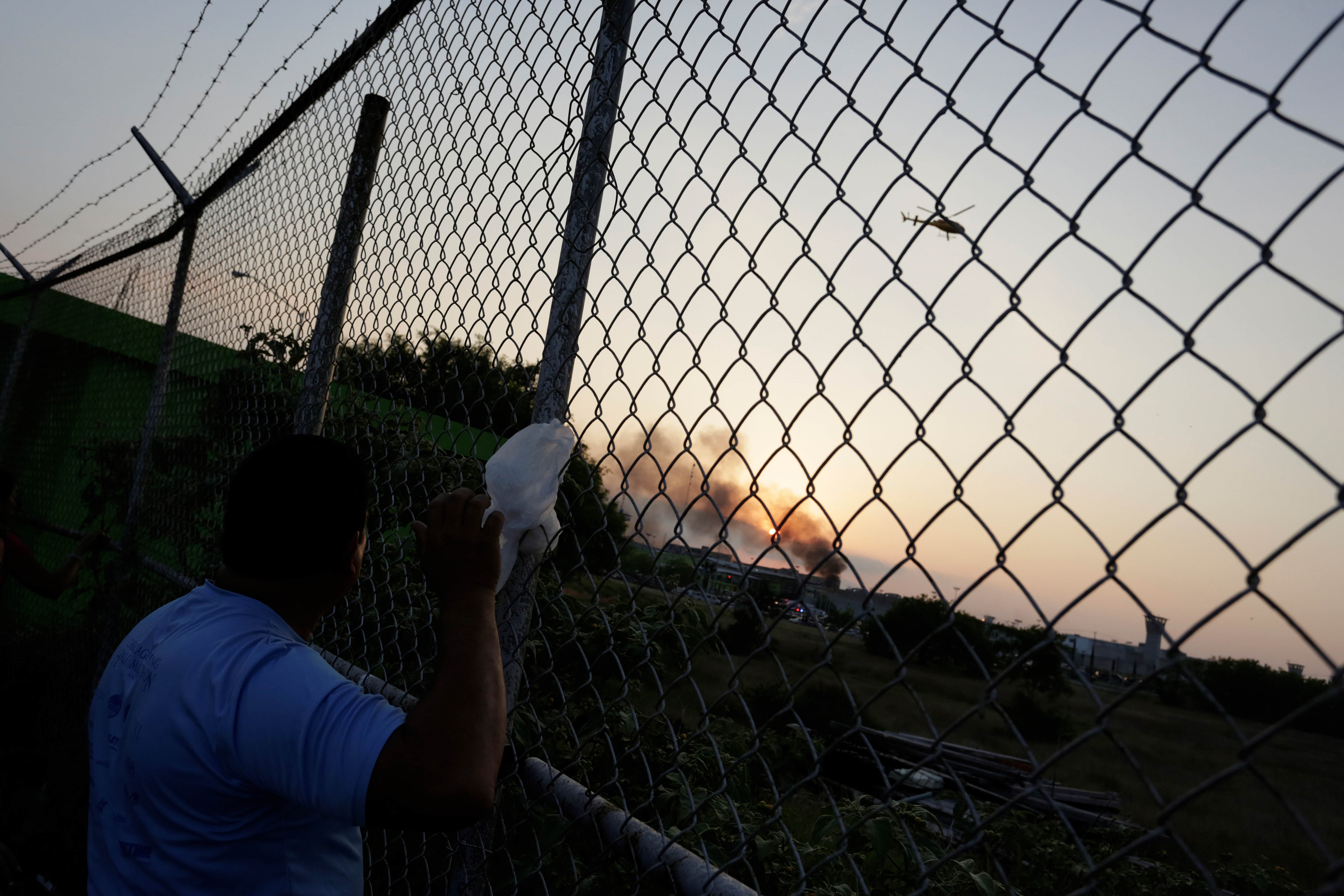
Latin America is one of the most violent regions in the world. Prisons and police have done nothing to change that.


