
Climate Action and Waste Reduction
気候レジリエンスに万能な答えがない理由―日本とペルーの事例から
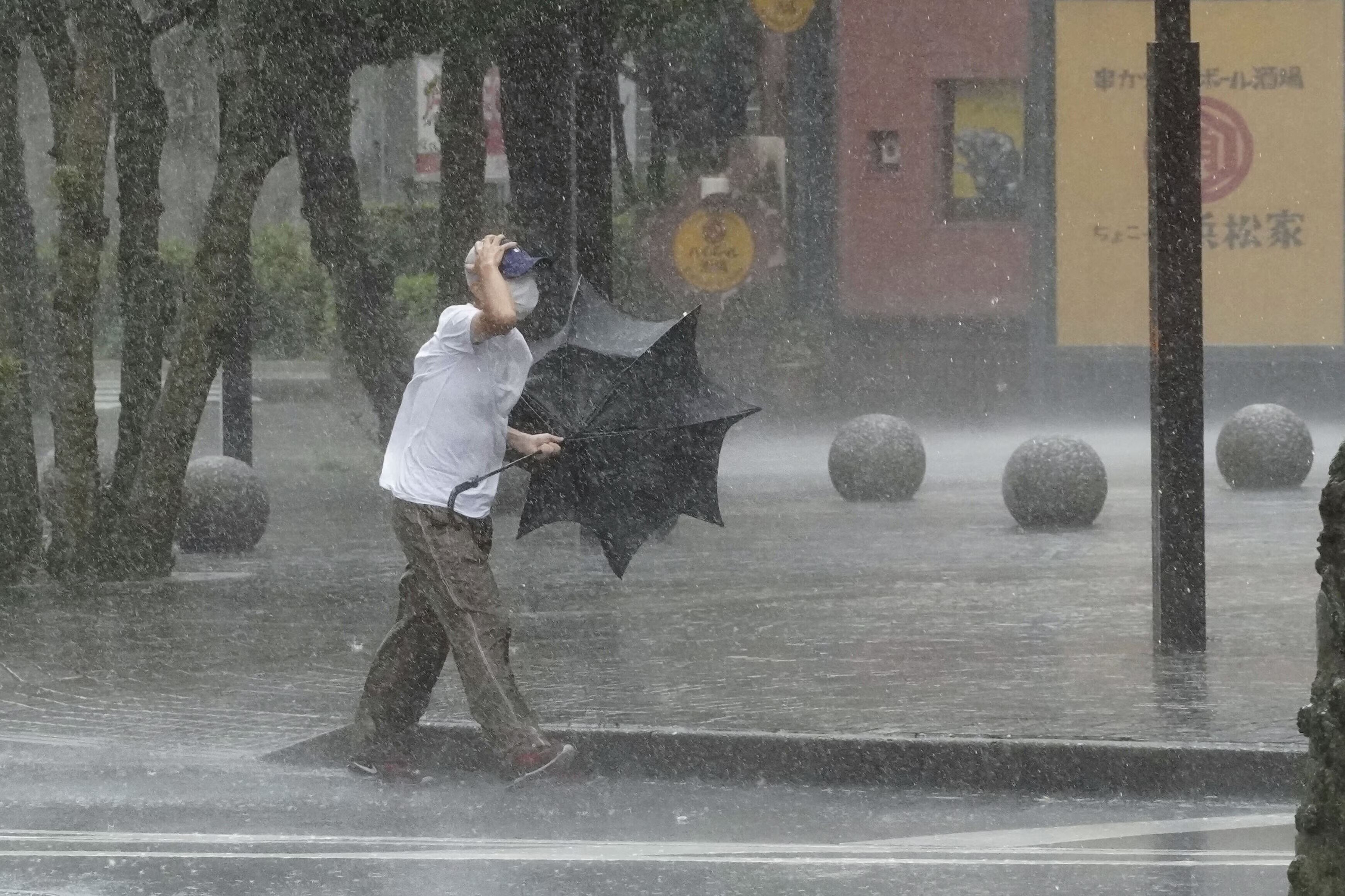
異常気象は、国境や地政学的境界を無視して起こります。ただし、気候災害が国を超えて類似しているように見えても、地域社会がそれらを経験する条件は異なり、実際に効果を発揮する気候対策は、文化的価値観、人々の実体験、インフラの歴史的経緯、維持管理能力、そして各地域の制度的適応能力によって形作られます。
Shinnosuke Komiya is an artist, researcher, and design engineer whose work explores the intersection of art, design, technology, and climate futures. He is the CEO of SERINUS LLC, an art, design, and technology collective focused on climate resilience and environmental futures. He is also a project researcher and doctoral student at the University of Tokyo and has served as a Hoffmann Fellow with the World Economic Forum. Previously, he co-founded Eukarya Inc., where he worked on Re:Earth, an open-source web GIS platform used by the Japanese government for urban, environmental, and disaster-related projects. His practice spans spatial information design, speculative design, climate resilience, and technology-driven artistic research.
異常気象は、国境や地政学的境界を無視して起こります。ただし、気候災害が国を超えて類似しているように見えても、地域社会がそれらを経験する条件は異なり、実際に効果を発揮する気候対策は、文化的価値観、人々の実体験、インフラの歴史的経緯、維持管理能力、そして各地域の制度的適応能力によって形作られます。
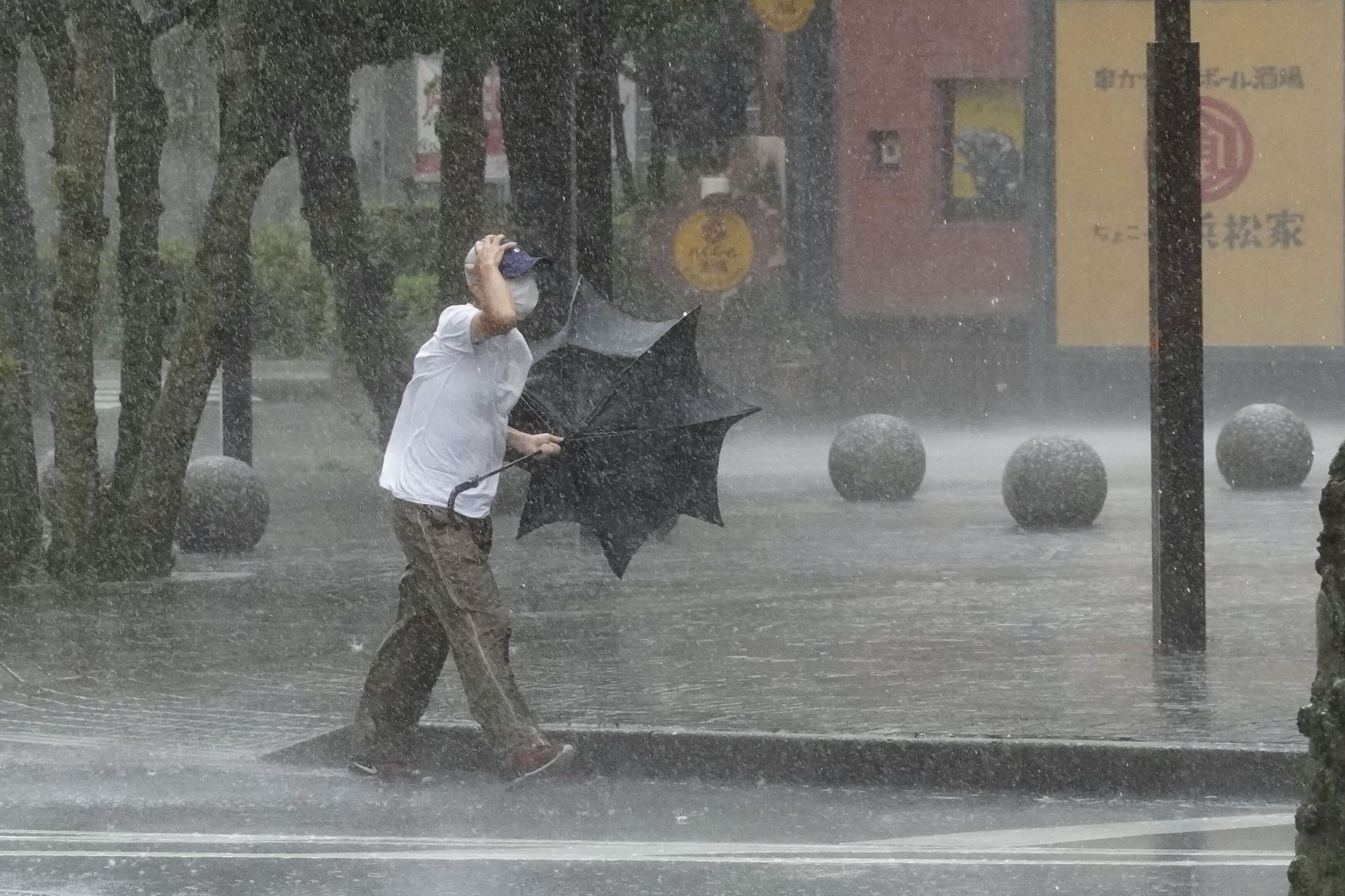
The examples of Japan and Peru show why climate solutions like early warning systems are only successful if they are developed with local communities.
