
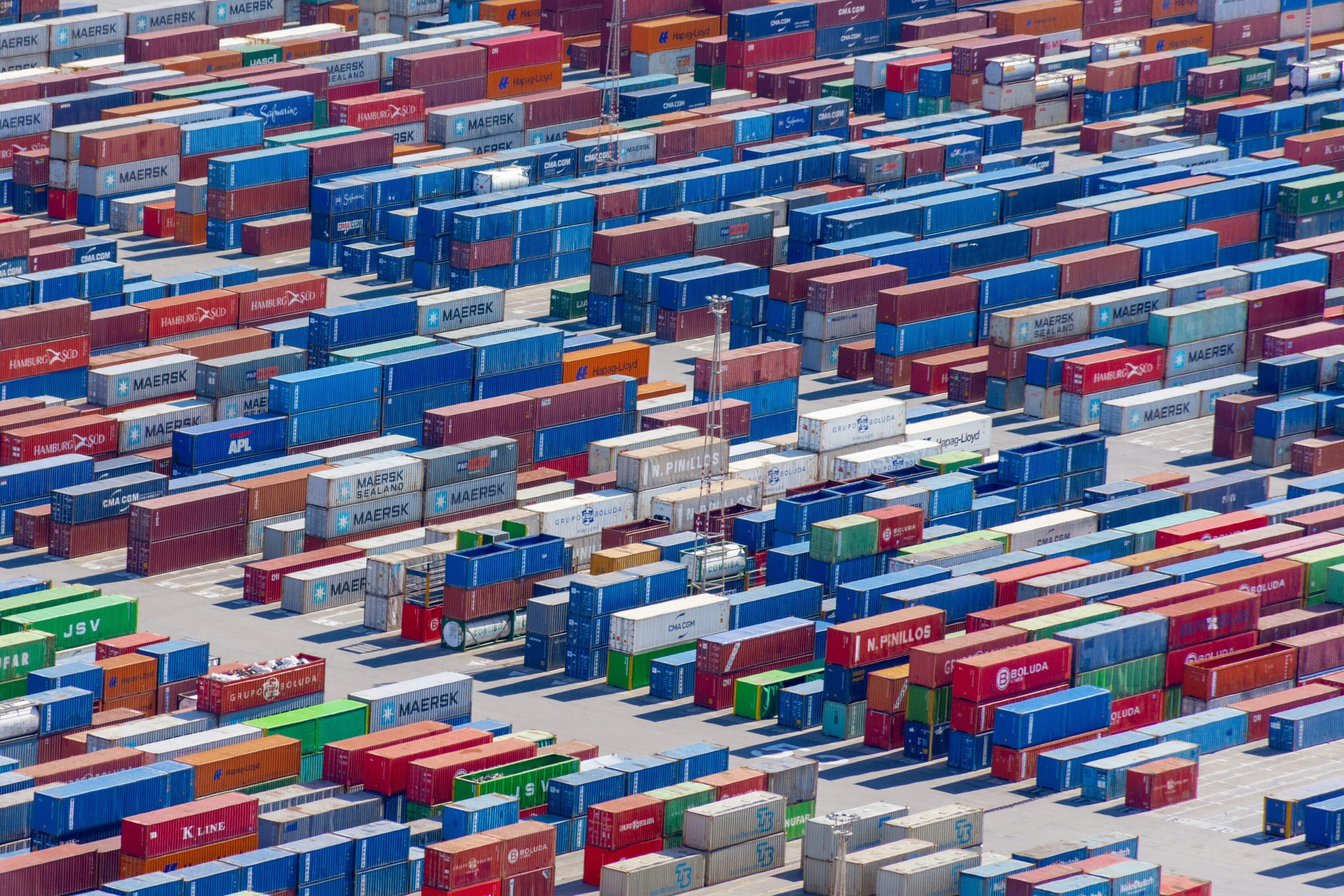

Supply Chains and Transportation
在地缘政治不确定性中,如何提升产业竞争力?
地缘政治动荡正在重塑全球制造业和供应链,同时对供应和需求都造成了冲击。过去的动荡告诉我们,创新往往反而在困难的环境中取得进展,而如今,人工智能正在成为韧性技术的代表。世界经济论坛首席运营官、供应链和采购官社区正与行业、政府和专家合作,制定战略,以保护自身、降低风险并实现运营多元化,从而获得可持续的竞争力。
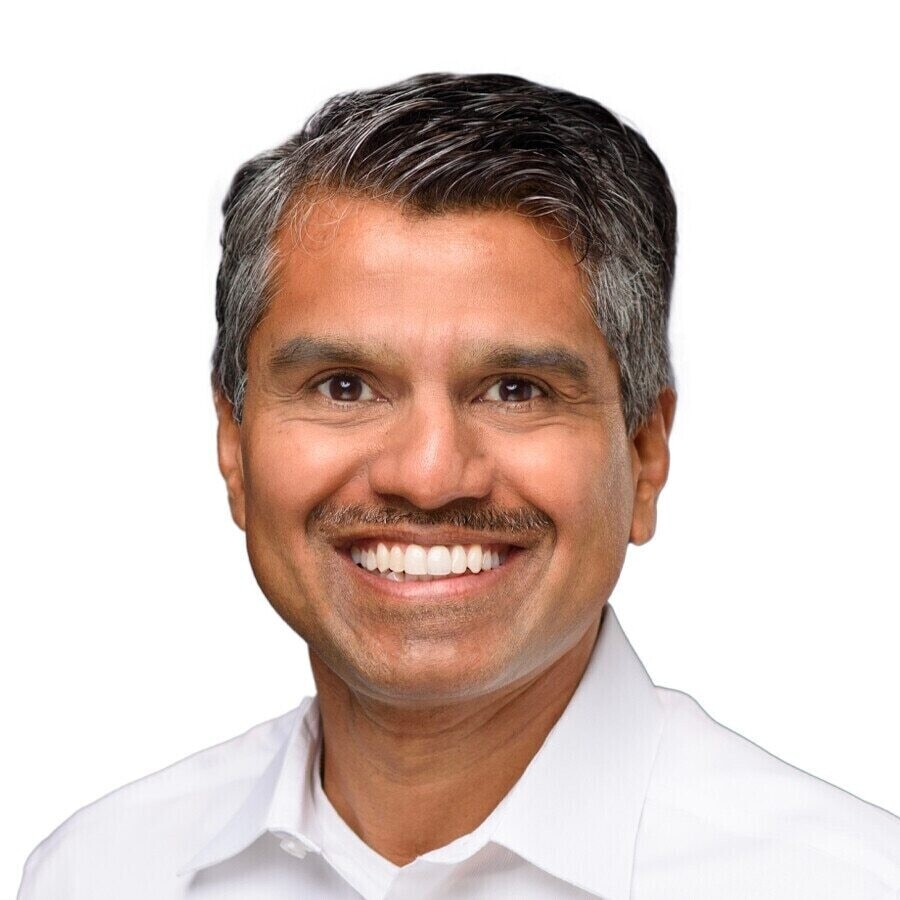
Suketu is the Global Chair, Strategic Operations and Supply Chain
Based in the Chicago office, Suketu is a recognized industry leader and subject matter expert on a wide range of Supply Chain, manufacturing and operations topics, with an emphasis on end-to-end supply chains. “I’m focused on the redesign of supply chains for four critical purposes: growth, cost, resilience, and sustainability,” he comments. “The key to maximizing their effectiveness lies in the combination of human intelligence, and AI, underpinned by a deep understanding of how global operations work.”
Suketu is frequently published on operations transformation topics in outlets such as HBR, MIT Sloan Management Review, and The Wall Street Journal.
He recently co-authored a book on Strong supply chains through resilient operations. Five principles for Leaders to win in a volatile world.
地缘政治动荡正在重塑全球制造业和供应链,同时对供应和需求都造成了冲击。过去的动荡告诉我们,创新往往反而在困难的环境中取得进展,而如今,人工智能正在成为韧性技术的代表。世界经济论坛首席运营官、供应链和采购官社区正与行业、政府和专家合作,制定战略,以保护自身、降低风险并实现运营多元化,从而获得可持续的竞争力。
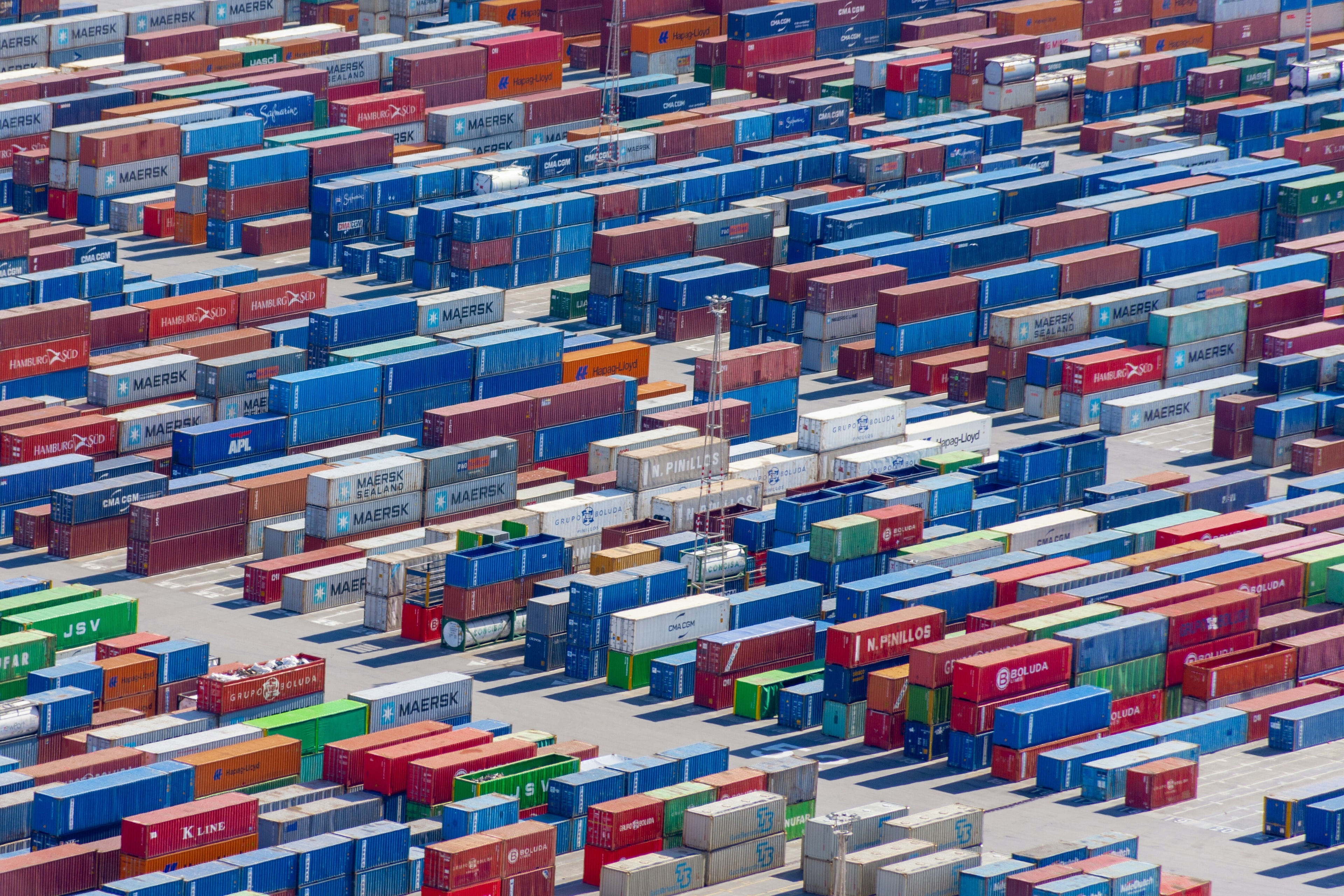
Lessons from past disruptions show that innovation often advances in difficult contexts and today, artificial intelligence is emerging as the defining technology of resilience.
