How to scale carbon capture and storage and turn climate targets into action
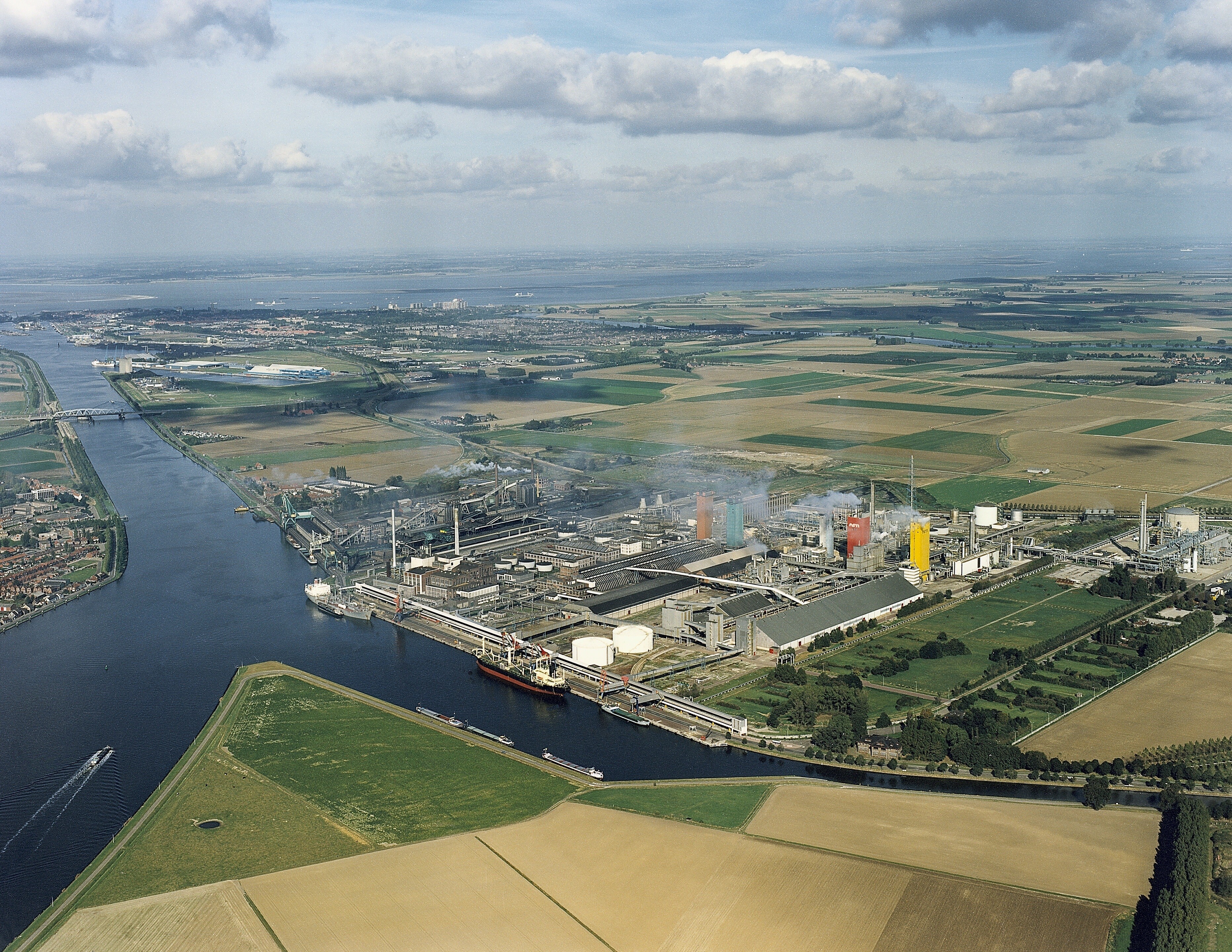
Ammonia and fertilizer production are ripe for carbon capture and storage, with one project capturing 800,000 tons of CO₂ a year to store under the seabed.
Svein Tore Holsether (born 1972) is President and Chief Executive Officer of Yara International since 2015.
Mr. Holsether is passionate about promoting the Sustainable Development Goals in the global business arena. To contribute to a thriving future and drive inclusive growth, he is member of the Executive Committee, Chair of the Food & Nature program for the World Business Council for Sustainable Development (WBCSD), member of the steering committee of IMAGINE Food Collective, a nature champion and member of the Alliance of CEO Climate Leaders at the World Economic Forum (WEF). He was a Commissioner of the Business and Sustainable Development Commission (BSDC), and also serves as Chair of the International Fertilizer Association (IFA). In 2021, he was elected President of NHO, the Confederation of Norwegian Enterprise. Previously, Mr. Holsether has held a range of executive and senior position in large industrial companies.
Mr. Holsether has a BSc degree, specializing in Finance & Management, from the University of Utah, USA.
Ammonia and fertilizer production are ripe for carbon capture and storage, with one project capturing 800,000 tons of CO₂ a year to store under the seabed.
Establishing clean ammonia value chains has become a central focus in hard-to-abate industries. Here's how it works and what progress has been made so far.
Companies need to start tackling greenhouse gas emissions in their entire value chains - including 'scope 3' - to really grapple with climate change.
Regenerative agriculture is the way forward to decarbonise the food system and make farming resilient to climate shocks - It won’t happen unless we succeed in making it commercially attra...
Offsetting risks in the global food system may depend on a shift toward investing in renewable energy, recycling nutrients, and increasing productivity.
Businesses should transition towards sustainable land use to help meet global net-zero commitments, benefit consumers and increase their own viability.
We will not solve the biggest crisis humanity has faced, the climate emergency, unless we take agriculture into account. The solution is in the soil.
If we are to deliver on the 17 UN Sustainable Development Goals, then we must reach what we like to call SDG#18: Rebuilding trust.
Industry reliance on ammonia forces shift to green production methods. Cross-sector support is needed to make viable investment alternative and cut emissions.
Soil is an incomparable source of food security, biodiversity and carbon capture – we must work with the farmer to protect it