


Sustainable Development
每年约有1200万公顷的土地荒漠化,如何推动再生农业发展以增强气候韧性?
再生农业提供了一条恢复土壤健康、封存碳并增强韧性以应对气候影响的关键路径。农业气候融资需要大幅增加,创新型的筹资模式对建立可持续的粮食系统至关重要。跨部门合作是赋能农民、建立有韧性且公平的粮食系统的关键。整合资源及专业知识可以推动实现这一目标。

At the World Economic Forum, Tania is the Head of Sustainable Growth and People Agenda which includes a portfolio of initiatives and communities on food, water, clean air and nature, advancing sustainable transitions to healthy, resilient systems through finance, technology, and inclusion. With over 20 years’ experience across Asia, Africa, and the Americas, she has managed global initiatives in food security, sustainable agriculture, climate resilience, and integrated value chains. In her role she is driving strategy of flagship initiatives including the First Movers Coalition for Food to generate $15-20 billion of green procurement through aggregated market demand signals and farmer economics, the $15 million Aquapeneurs initiative in partnership with HCL to mobilize pipelines of innovators problem-solving for water stewardship globally, and the Food Innovation Hubs global initiative harnessing the power of fit for purpose technology in 7 country and regional innovation hub marketplaces, among others.
再生农业提供了一条恢复土壤健康、封存碳并增强韧性以应对气候影响的关键路径。农业气候融资需要大幅增加,创新型的筹资模式对建立可持续的粮食系统至关重要。跨部门合作是赋能农民、建立有韧性且公平的粮食系统的关键。整合资源及专业知识可以推动实现这一目标。

土壌の健康改善は、炭素隔離と介入のカスタマイズを通じて気候変動対策の重要な鍵となります。世界の土壌を改善するための対策に対する政治的な意識と支援の機運が高まっています。農家は、規模を拡大してサステナブルな食糧生産に移行するために、個々に合わせた資金、技術、技術サポートを必要としています。

La agricultura regenerativa contribuye a la salud del suelo, la biodiversidad y la captura de carbono. Esto mejora la resiliencia climática y logra sistemas alimentarios más sostenibles.

La crisis global del agua causada por los cambios en el uso de la tierra y el cambio climático está afectando a las economías, las sociedades y el planeta.

There is growing political awareness and support for measures to enhance the world's soils – but farmers also need technological and financial support

A global water crisis caused by land use changes and climate change is affecting economies, societies and the planet. Here's how to build water resilience.

Regenerative agriculture enhances climate resilience by restoring soil health, sequestering carbon and boosting biodiversity, making food systems more sustainable.
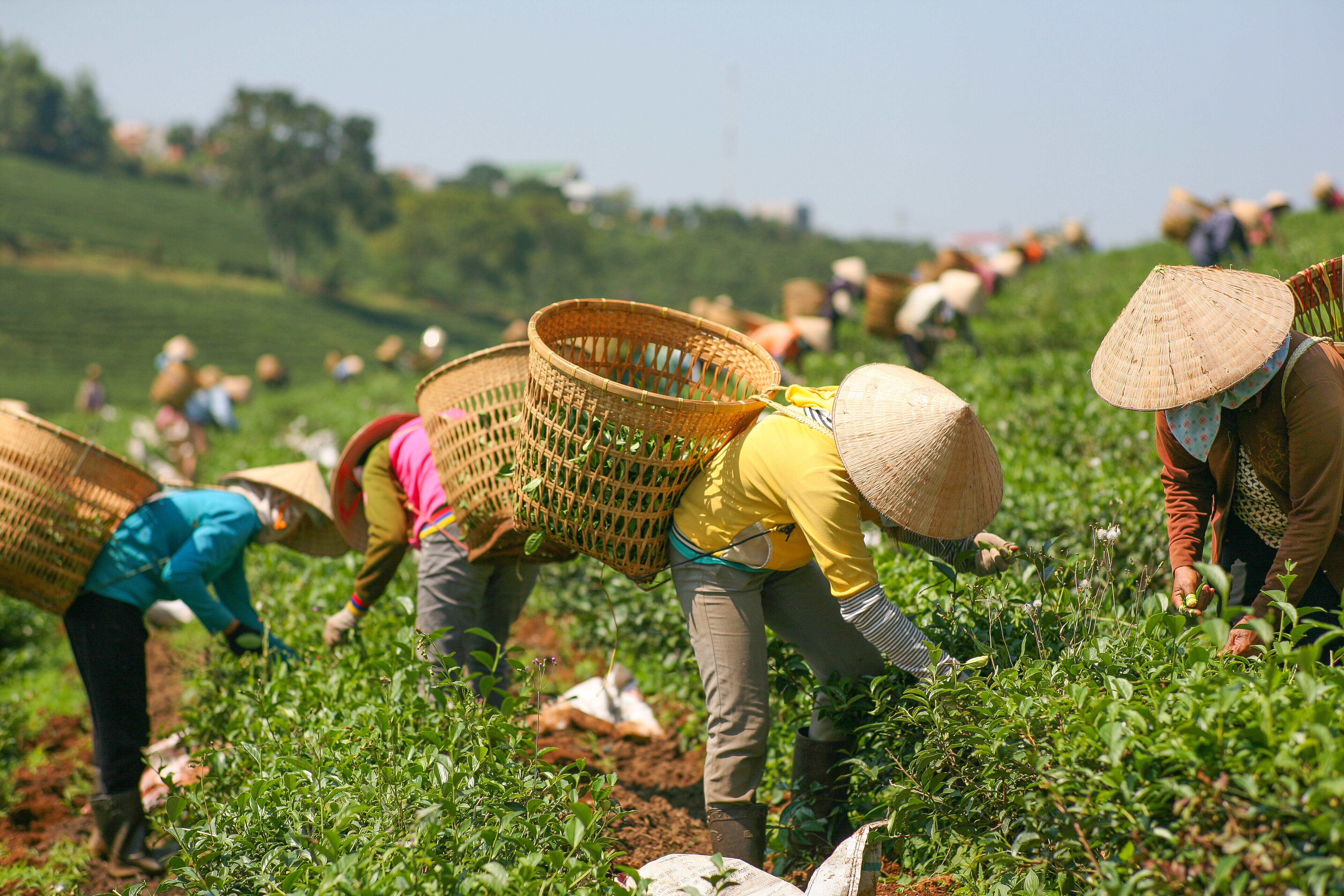
La colaboración está impulsando la innovación alimentaria, escalando las soluciones locales y transformando prácticas agrícolas para afrontar los desafíos del futuro.
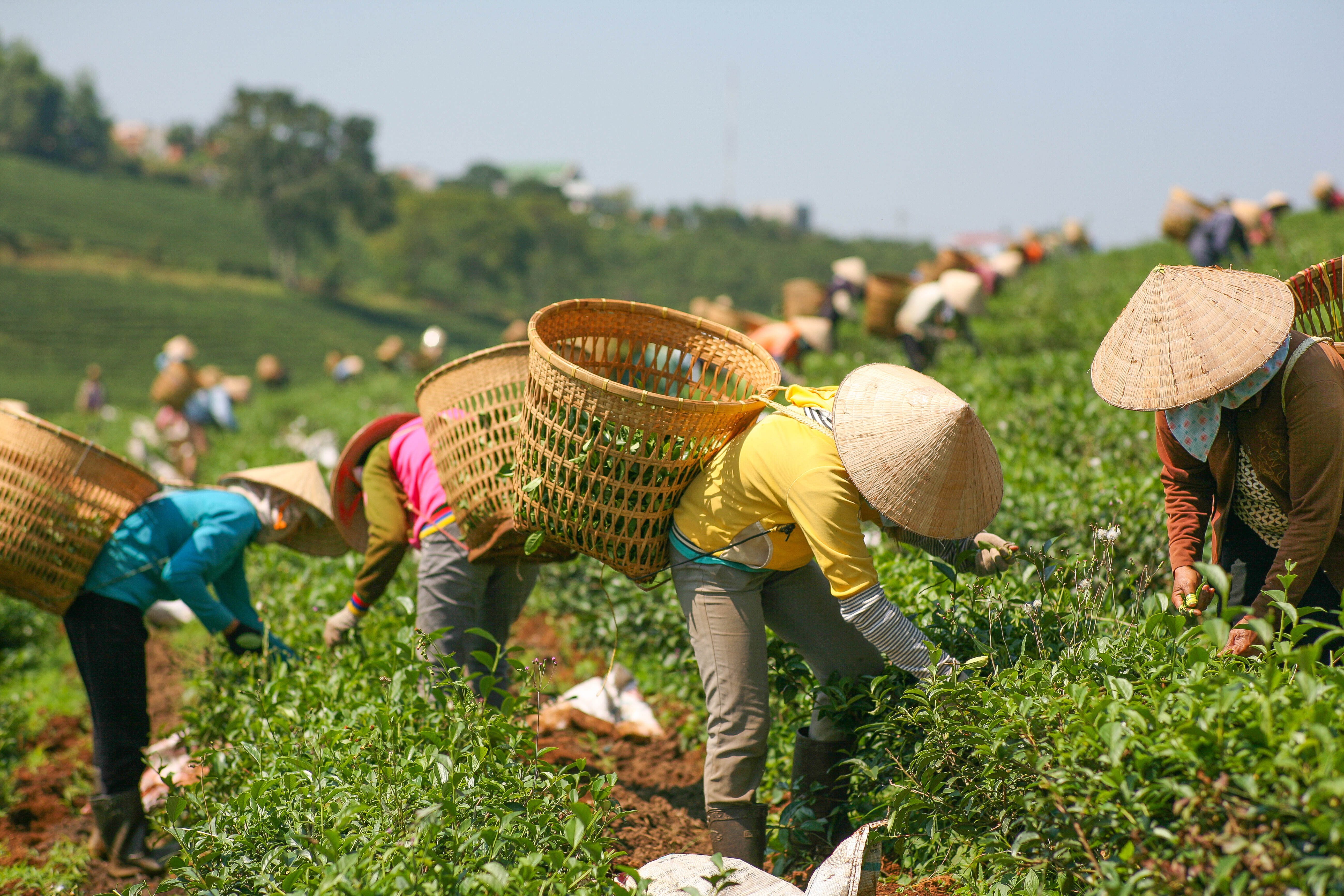
How global partnerships are driving food innovation, scaling local solutions and transforming agricultural practices to meet future challenges.

El tercer desafío de la Iniciativa de Innovación para Aqua-emprendedores de UpLink y HCL Group busca soluciones de alto potencial para prevenir la contaminación del agua y reducir el impa...

The UpLink Aquapreneur challenge is sourcing high-potential solutions to prevent global water pollution and reduce its environmental impacts.
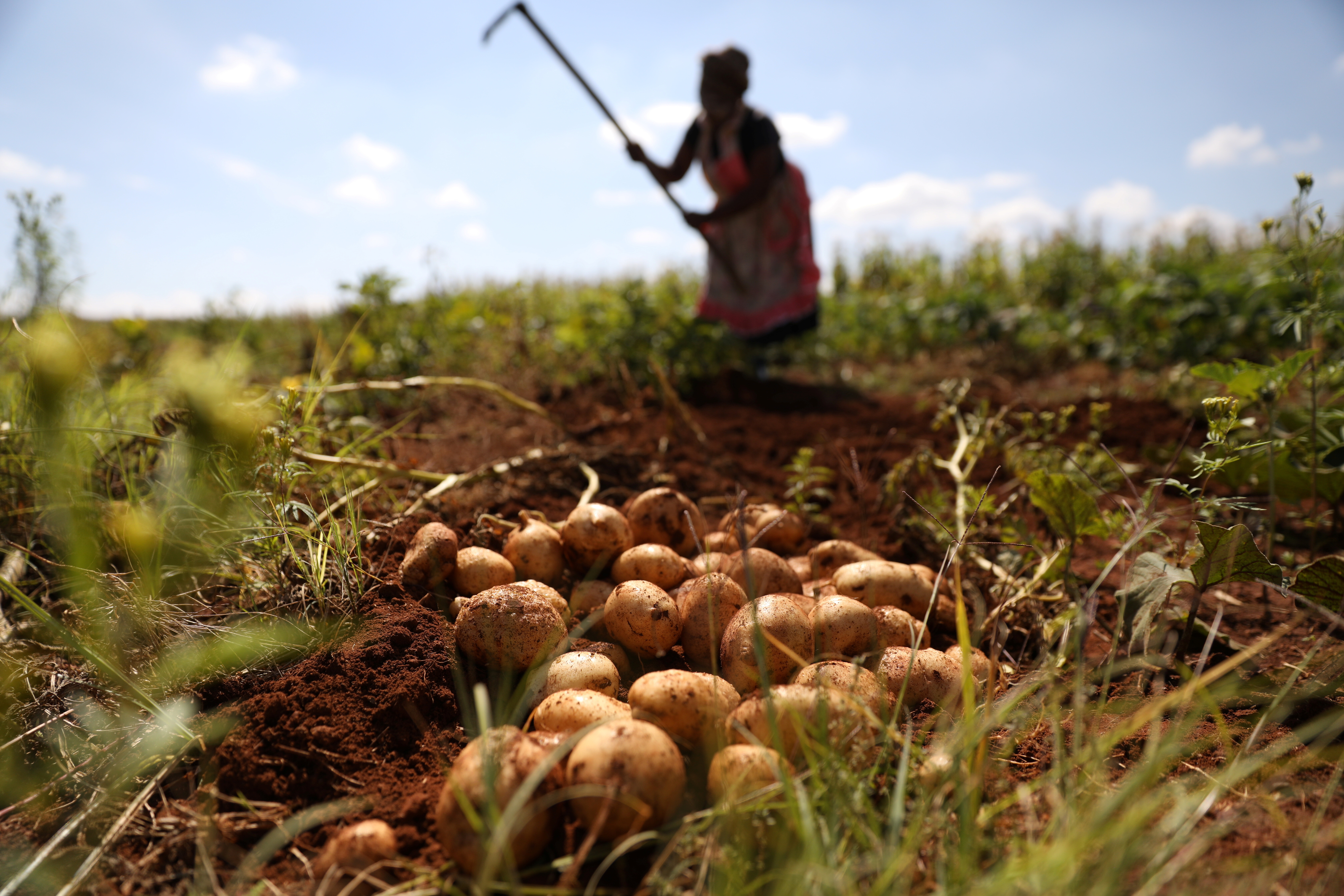
Regenerative food systems can secure our future supply of food, protect the planet and ensure farmers are supported. This coalition is catalyzing action.

The food ecosystem needs to provide sustainable, nutritious food. We asked three farming leaders what's needed to unlock resilient and sustainable agriculture.

We need bolder action and understanding on how to fix the way we produce and consumer food, embracing complex and holistic solutions like climate change and food security together.

La agricultura regenerativa puede liderar la carrera para conseguir sistemas alimentarios con balance cero en 2030. Aquí, tres líderes empresariales comparten sus reflexiones sobre cómo l...


