


Education and Skills
增强全球金融韧性,从课堂做起
最新研究表明,以学校为基础的金融教育能够重塑长期金融行为,并使整个社区受益。这提供了一种成本相对较低的方式,既能帮助人们管理个人财务,又能促进长期宏观经济稳定。
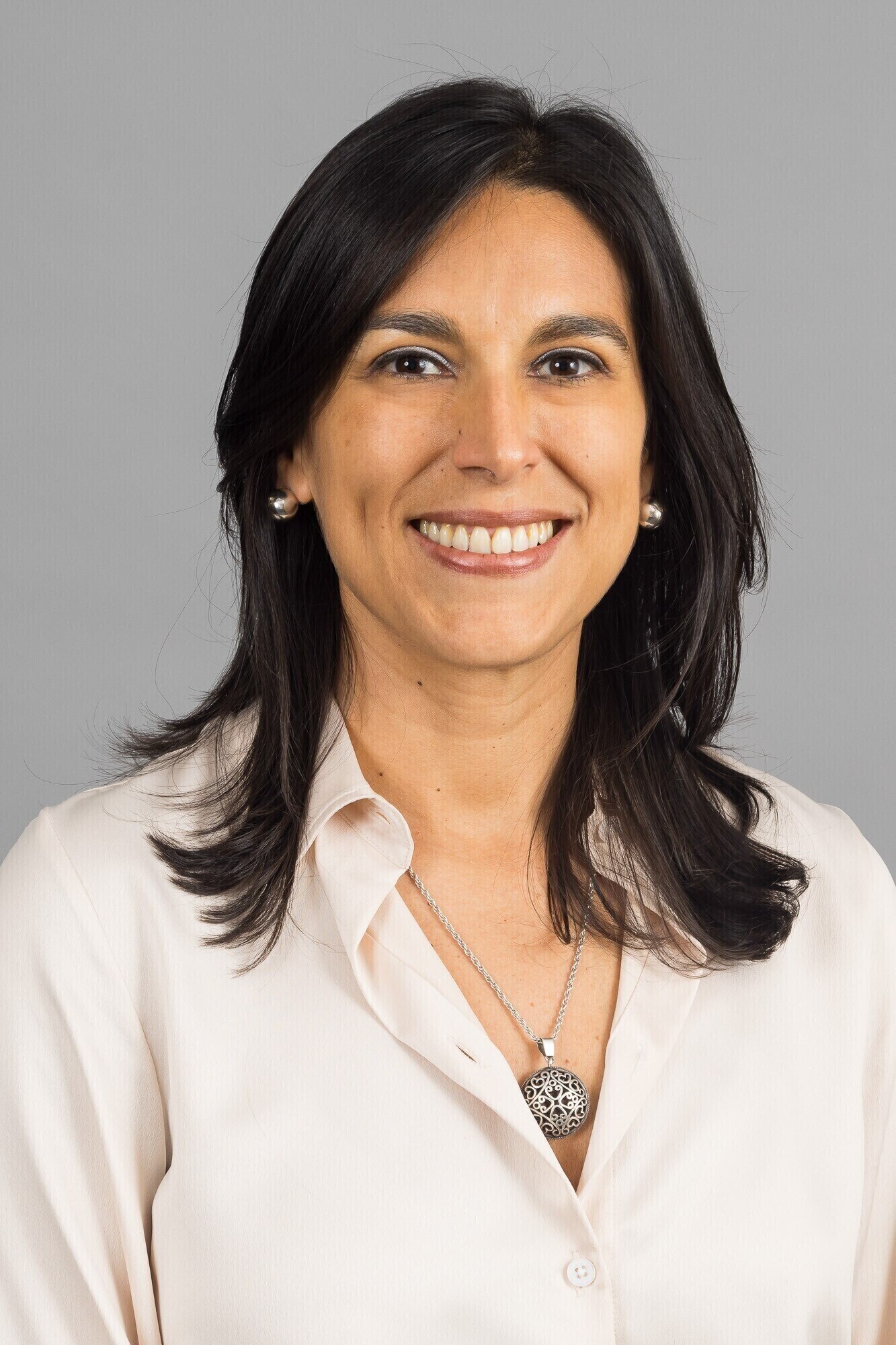
Verónica Frisancho is Chief Economist at CAF, the Development Bank of Latin America and the Caribbean, a role she has held since 2023. She previously spent over a decade at the Inter-American Development Bank, serving as Lead Economist in the Research Department from 2012 to 2023, and earlier worked as an Assistant Researcher at Grupo de Análisis para el Desarrollo (GRADE) in Peru.
Verónica holds a Ph.D. in Economics from The Pennsylvania State University, where she also taught as a graduate assistant, and a B.A. in Economics from Universidad del Pacífico in Peru.
She is a member of the OECD/INFE Research Advisory Group (2025–2027) and the World Economic Forum's Global Future Council on Financial Education (2025–2027). Her research has been recognized with several honors, including the Money Awareness and Inclusion Award for Best Academic Paper (2024), the "Premio Federico Prades" for young economists from the National Association of Spanish Banks (2020), and the Financial Literacy Research Award from the Cherry Blossom Financial Education Institute (2018). She has also held visiting and fellowship positions at the European University Institute and Universidad Carlos III.
最新研究表明,以学校为基础的金融教育能够重塑长期金融行为,并使整个社区受益。这提供了一种成本相对较低的方式,既能帮助人们管理个人财务,又能促进长期宏观经济稳定。

Research shows school-based financial education can reshape long-term adult financial behaviour and create powerful ripple effects throughout communities.

许多成年人由于时间或资源的限制,无法参与金融教育项目。但研究表明,孩子们在学校接受的金融教育课程可以使家庭财务受益。这些好处不仅限于家庭,还能扩展至增强当地社区的财务健康,甚至对更广泛的经济产生积极影响。

Las investigaciones muestran que la educación financiera que los niños reciben en la escuela pueden beneficiar las finanzas familiares y a la economía en general.

Research shows that the financial education lessons children receive at school can benefit family finances, which indirectly benefits the wider economy.


