


Por qué gobernar la IA significa gobernar la cognición
La automatización de la cognición humana ha transformado a la IA de una herramienta técnica en una infraestructura fundamental. La gobernanza debe adaptarse a medida que la IA moldea la t...

Vivin R. Nair leads the sustainability portfolio and ESG initiatives at UST, a global technology company with over 30,000 employees worldwide. In this role, he designs and scales technology-led sustainability and compliance products, working at the intersection of software systems, climate data, and regulatory frameworks to help organizations operationalise ESG reporting, climate risk management, and regulatory disclosure.
Across the private sector and public-policy environments, Vivin has over four years of experience building data platforms and decision-support systems that translate policy and regulatory requirements into deployable digital infrastructure. His work includes the development of a local economic intelligence platform for Indian cities, enabling governments and urban institutions to analyse economic clusters, and development outcomes using structured data and analytics. This experience informs his current focus on AI-enabled governance systems, particularly in contexts where data integrity, explainability, and institutional accountability are critical.
Vivin’s work engages with AI policy and governance, examining how artificial intelligence reshapes regulatory capacity and enterprise accountability in sustainability and development contexts. He holds an MSc in Local Economic Development from the London School of Economics and Political Science (LSE), where his research examined the role of government in the evolution and sustenance of technology clusters in India.
La automatización de la cognición humana ha transformado a la IA de una herramienta técnica en una infraestructura fundamental. La gobernanza debe adaptarse a medida que la IA moldea la t...

How should AI governance adapt as artificial intelligence evolves from a technical tool into foundational infrastructure shaping societal decision-making?
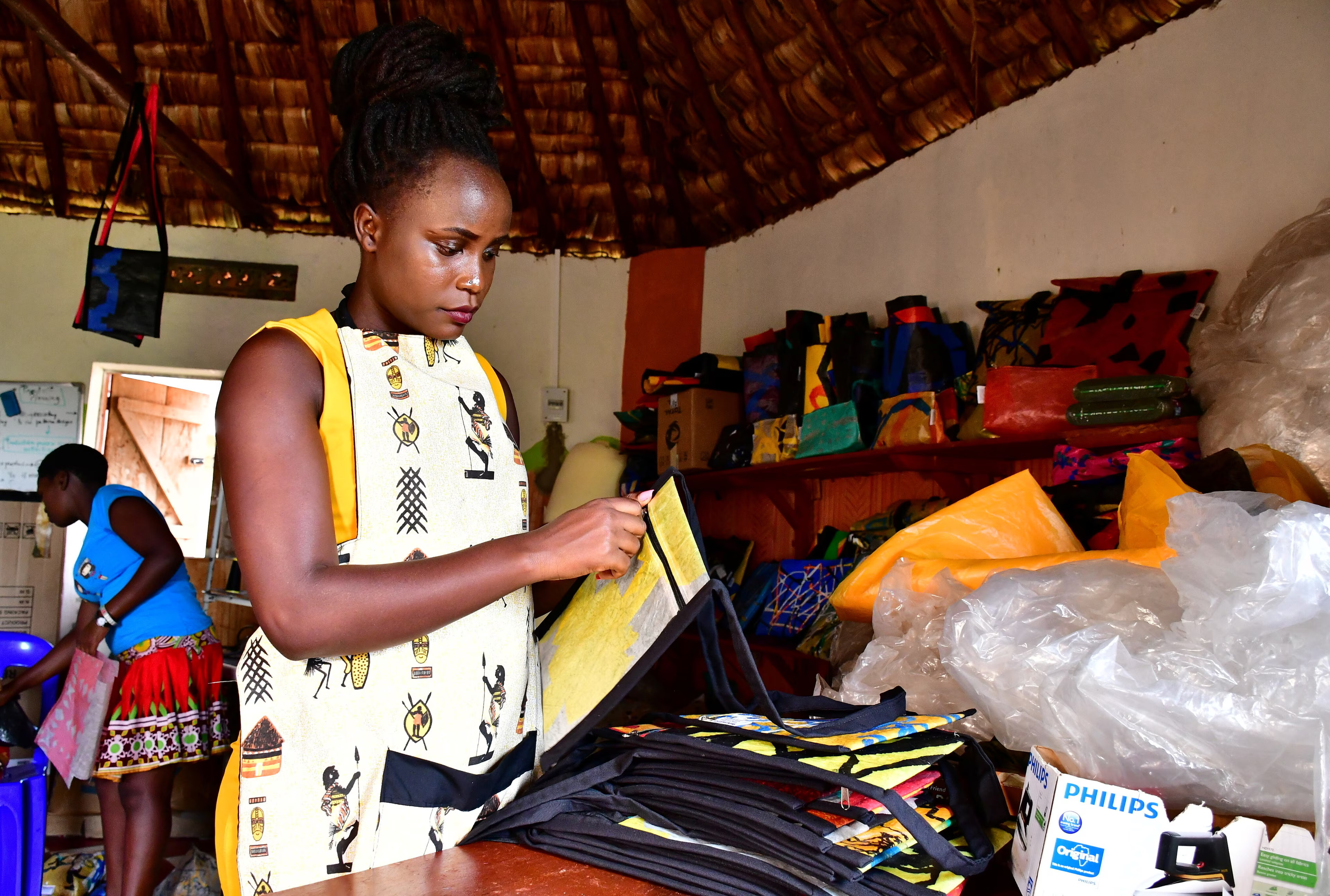
Los jóvenes del Sur Global pueden encabezar la innovación. Para ello, necesitan capital, comunidades y una educación sensible al contexto.
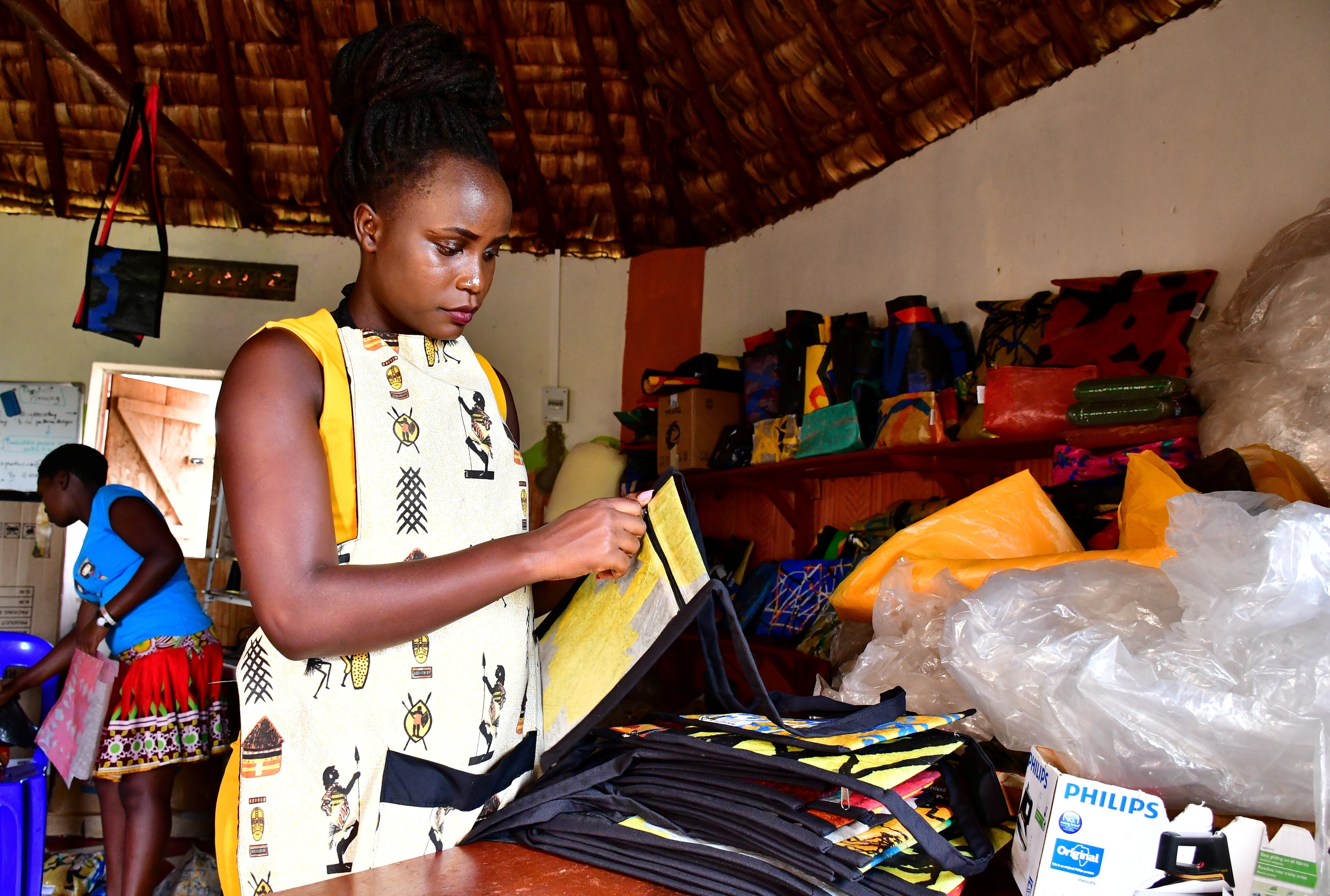
Young people in the Global South can spearhead social innovation – if they are appropriately supported by capital, community and context-sensitive education.

At the heart of urban land regeneration lie three extremely powerful drivers: community ownership, circular economy thinking and smart, scalable policy.

The success of decentralization is contingent on the national and local context, and the way in which it is implemented.


