AI-powered microfactories use machine learning and big data to drive space needs down to a minimum. Here are 4 ways that microfactories are proving more productive and sustainable.
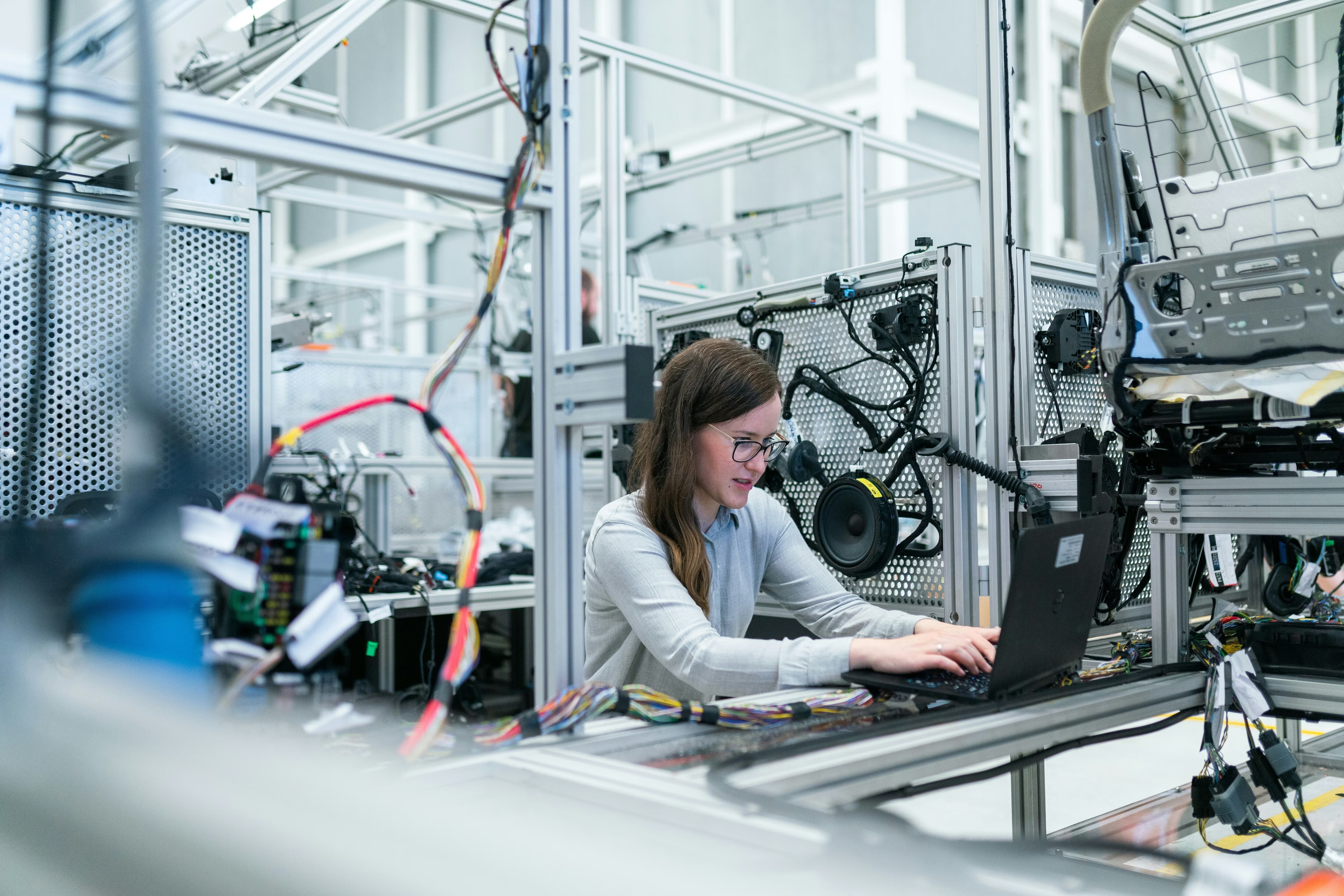
AI-powered microfactories are making waves in the manufacturing world. These small, highly automated facilities leverage machine learning and big data to drive production while minimizing space needs.
Why microfactories are more productive
Increased sustainability and reduced carbon footprint: Microfactories use significantly less water, chemicals, and energy compared to traditional factories.
More cost-effective: Microfactories require updates to only a few components at a time. This translates to faster upgrades and shorter downtime.
Increased scope for customization: Advanced technology in microfactories allows for highly personalized products, a challenge for traditional mass production lines.
Ease of maintenance: Repairs are also simpler due to standardized systems across modules.
Arrival's microfactories: a real-world example
UK-based electric vehicle maker Arrival exemplifies the benefits of microfactories. Their decentralized facilities, built with highly automated processes, offer not only efficiency and ease of maintenance but also superior adaptability for customization.
Notably, these microfactories were constructed at a fraction of the cost of traditional factories – just $50 million compared to a staggering $1 billion.