回顾2025年:城市转型领域有哪些最值得关注的议题?
从创新生态系统到应对下沉城市风险,2025年见证了全球都市深刻的转型历程。本文带您读懂过去一年城市转型领域最重要的进展。
Internationally recognized expert in the area of urban development, emerging technologies, and government innovation with more than 25 years of experience driving social change in the U.S. and abroad.
As Head of the World Economic Forum’s Centre for Urban Transformation, he leads a global team working to advance public-private collaboration in more than 140 cities across the world. Prior to joining the World Economic Forum, he served as New York City’s first-ever Director of Innovation.
Key highlights from his work include helping organize the first entirely online public election in U.S. history; laying the groundwork for the world’s largest, fastest municipal Wi-Fi network; orchestrating the launch and roll-out of the world’s largest city top-level domain; establishing the G20 Global Smart Cities Alliance to advance the responsible and ethical use of smart city technologies; and, most recently, establishing a new global Alliance for Urban Innovation to support the revitalization and resiliency of urban economies.
He holds a Master’s degree from Columbia University’s School of International and Public Affairs and a Bachelor’s Degree from the University of Michigan.
从创新生态系统到应对下沉城市风险,2025年见证了全球都市深刻的转型历程。本文带您读懂过去一年城市转型领域最重要的进展。
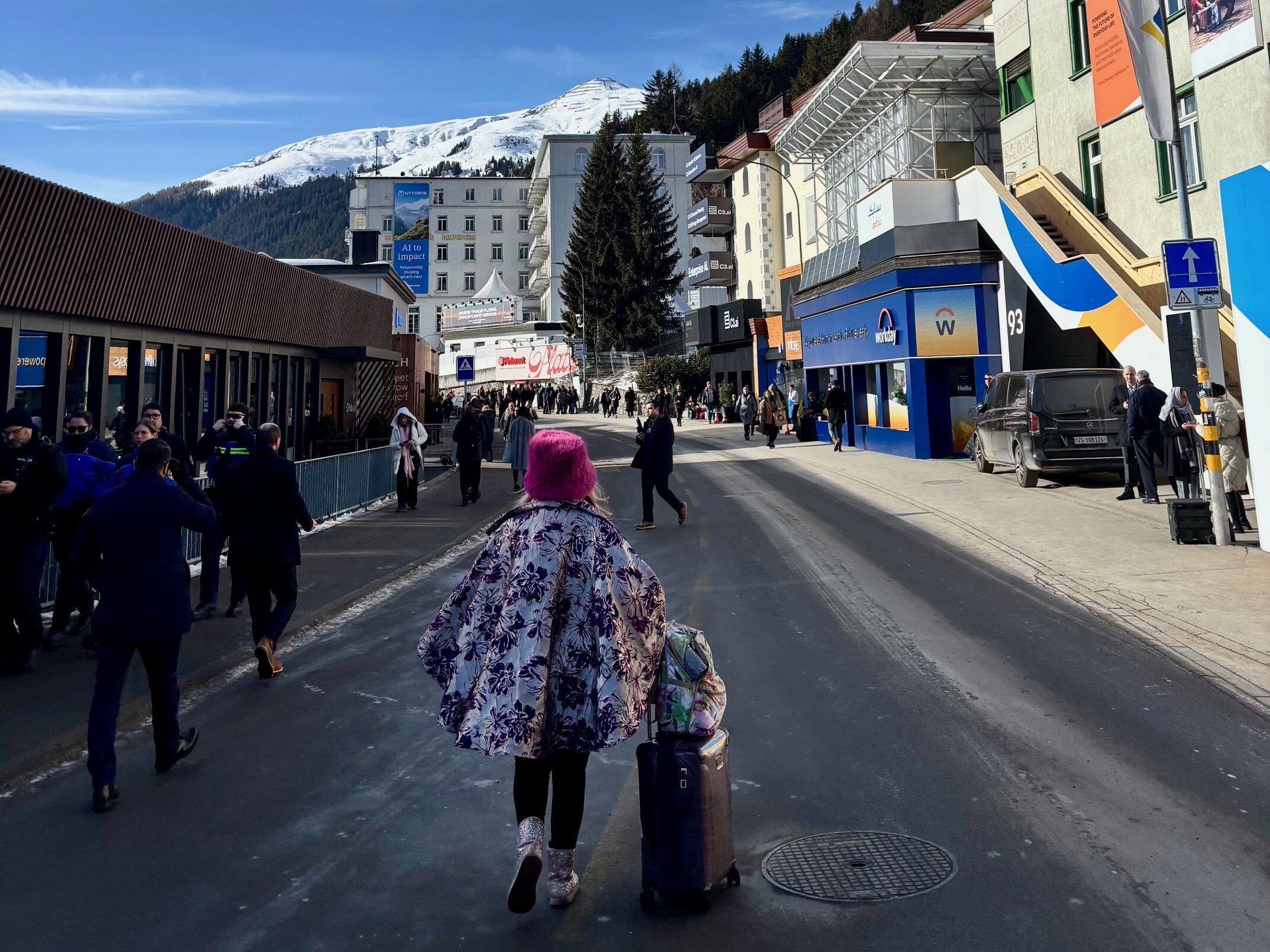
2026年の世界経済フォーラム年次総会から得られた重要な教訓の一つは、おそらく、見出しや毎日のニュースでは報じられないものです。それは、重大な利害のかかった政治的駆け引きでも、企業の発表やコミットメントでもありません。 各国政府、企業が進歩を推進する方法に、根本的な変化が起こっているのです。
As global turbulence becomes the norm, communities are emerging as the front line for the collaboration and collective action highlighted at Davos 2026 to rebuild trust and resilience.
食料システムは、今日の最も差し迫ったグローバル課題の多くの中核に位置しています。人間の健康と生産性に影響を与え、経済的機会を形作り、環境に対しても重要な役割を果たしています。米国マサチューセッツ州ボストンなどの都市は、拡張可能なグローバルモデルを生み出す地域密着型ソリューションの実証の場となっています。
Food systems are key to wellbeing and cities like Boston offer place‑based solutions that strengthen food system resilience and generate scalable models.
From innovation ecosystems, smart cities to managing sinking cities, 2025 has been another year of urban transformation across the world.
Top stories: Urgent action needed on sinking cities; London tops the World's Best Cities list; Spain's high-speed train to accelerate link between cities.
Para 2050, la mayoría de la población vivirá en ciudades, que se volverán agentes clave para alcanzar los objetivos globales. Por eso hay que empoderar el liderazgo local.
世界の都市は世界全体の国内総生産(GDP)の80%以上を生み出し、イノベーションの原動力となっていますが、都市や地域のリーダーたちは依然としてグローバルな意思決定の場から排除されたままです。長年にわたり国際協力を主導してきたのは国家としての政府ですが、気候変動から住宅まで、現代が直面する最も差し迫った課題は、日々都市で取り組まれています。
New Centre playbook highlights proven strategies for innovation ecosystems; Urban Transformation Summit 2025 spotlights city wins and cross-sector collaboration; debunking myths about 24-...
By 2050, most people will live in cities, making them vehicles to help meet global goals, making empowering local leaders an ever more important feat.
Top stories: Cities must rethink health preparedness for climate era, warns WHO; Delhi finalizes futuristic drainage plan to tackle flooding; COP30 accommodation crisis.
Top stories: Affordable housing markets amid a growing crisis; Berlin appeals to tourists looking for cooler climes; Geneva's free public transport.
Top urban transformation stories this month: Sustainable growth for tourism sector; India's climate infrastructure challenge; China pledges to build sustainable cities.
イタリアの公益企業が、ブレシア市に画期的なデータセンターを開設しました。このデータセンターは、コンピュータサーバーから発生する廃熱を回収し、市の地域暖房ネットワークに直接供給します。フランス企業との提携で開発されたこの革新的なプロジェクトは、液体冷却技術を用いたデータセンターからの熱を回収する、イタリア初の実用例の一つです。