We must empower local leaders to meet global goals – here’s why
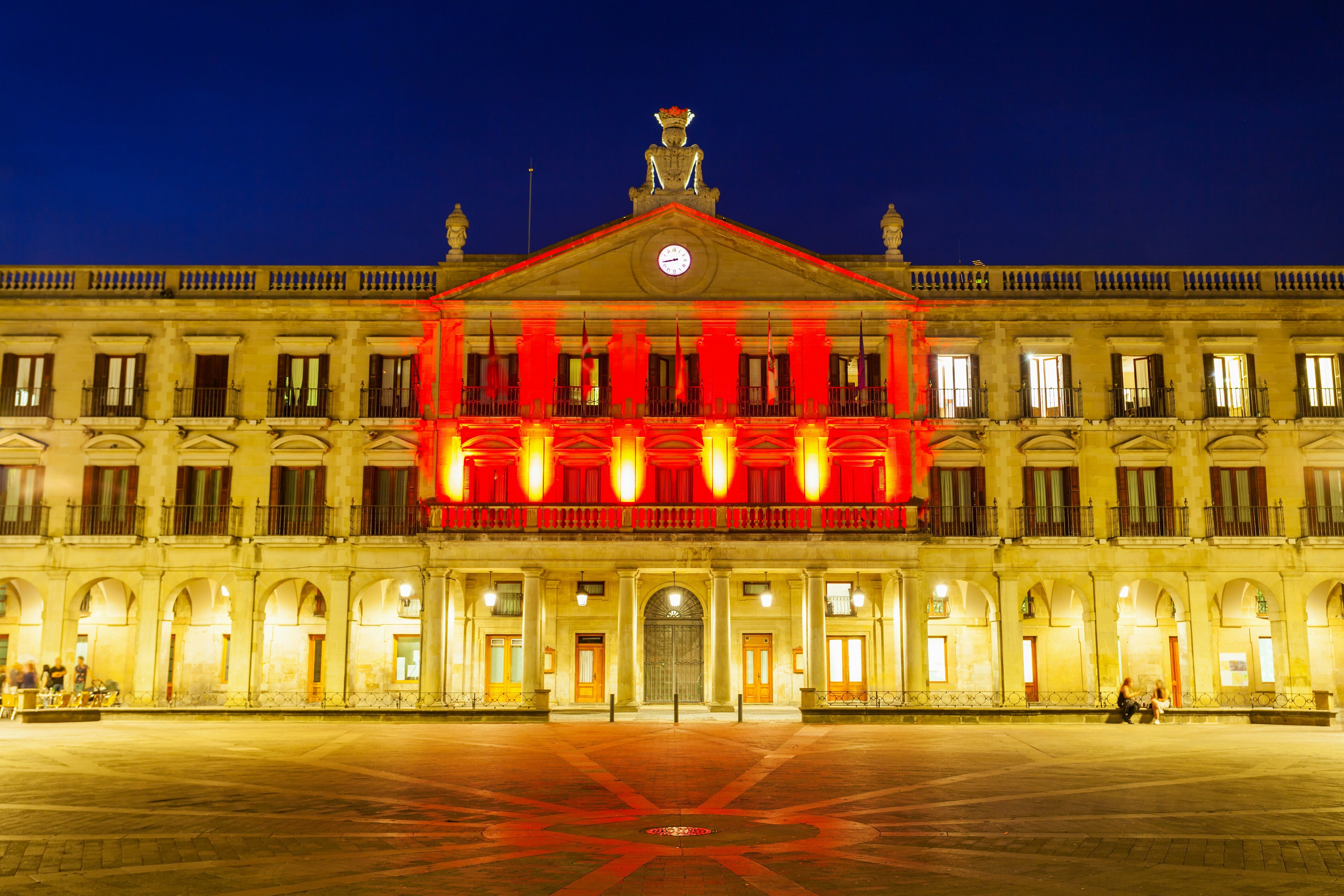
Local leaders can make great gains with shared global goals Image: Getty Images
- By 2050, nearly 70% of the world’s population will live in cities. This is more than a demographic trend; it is one of the greatest opportunities of our time.
- Cities are proving to be the engines of inclusive growth, innovation and resilience, translating global goals into tangible local solutions.
- Elevating and empowering local leaders makes international action more effective, equitable and people-centred.
Cities drive over 80% of global gross domestic product and innovation – yet their leaders still lack a seat at the global decision-making table. National governments have long dominated international cooperation. However, the most pressing challenges of our time, from climate change to housing, are being tackled daily in cities.
As geopolitical tensions grow and traditional institutions face gridlock, the absence of mayors and local leaders from these discussions is a missed opportunity. Global progress is stalling, not because of a lack of vision but because we are not fully tapping into the power of local action.
Why local leaders hold the key
Cities are where global challenges intersect with local realities and where global goals can be translated into practical solutions.
Local leaders are uniquely positioned to:
- Implement climate adaptation where it matters most – in homes, streets and neighbourhoods.
- Partner with businesses and citizens to unlock innovation.
- Rebuild trust in governance through proximity and accountability.
When empowered, mayors can transform abstract commitments into tangible impact: cleaner air, improved transportation, more resilient infrastructure and more inclusive communities.
Cities are already leading where others hesitate, proving that cooperation rooted in proximity, understanding one’s citizens and working across boundaries delivers real results.
”3 shifts for future-ready cities
To fully realize the promise of cities as engines of global progress, three key shifts are necessary in how we collaborate, measure success, and build trust.
1. Unlock public–private collaboration
At the Urban Futures Dialogue, organized by Global Cities Hub and the World Economic Forum, leaders agreed that cities cannot go it alone. Addressing the climate crisis, housing needs and digital transitions requires the combined strength of governments, businesses and civil society.
The first change is to institutionalize cross-sector partnerships that connect city priorities with private innovation and investment.
The impact is that cities that bridge public–private divides can move faster on sustainability, finance green infrastructure and create jobs through cleaner industries.
2. Redefine ‘quality’ in urban development
Too often, urban transformation focuses on short-term technical or financial metrics. A second shift must centre social, cultural and environmental value in development decisions.
However, fewer than 5% of global infrastructure investments target these dimensions – yet they determine long-term liveability and equity.
Therefore, cities that embed social outcomes into planning can create thriving, inclusive neighbourhoods and reduce systemic inequalities.
3. Build digital trust for smart cities
With the expansion of GovTech and digital infrastructure, cyber resilience is now foundational to trust and innovation.
In the event’s “Digital Boundaries: Securing Smart Cities” session, participants emphasised that securing data and digital systems is essential to maintaining confidence in public innovation.
That’s because cities that strengthen cyber trust can scale digital services safely, improving everything from mobility to public safety.
Change is already happening
These changes aren’t theoretical; they are already taking shape.
At the Urban Futures Dialogue in Geneva, mayors and partners from industry, finance and academia shared examples of local innovation:
- Industrial cities are cutting carbon dioxide (CO2) emissions through shared infrastructure and collaborative energy strategies.
- Municipalities embedding community outcomes into transport and housing projects.
- Smart cities use artificial intelligence and cybersecurity frameworks to protect residents while enhancing digital inclusion.
“Circular Copenhagen,” for example, in Denmark, focuses on improving waste management and resource efficiency. By increasing recycling rates, the city expects to reduce emissions by 59,000 tons of CO2 equivalent per year.
Bogotá, Colombia, is expanding its electric public transport fleet and is projected to cut 26,000 tons of CO2 emissions annually, contributing to cleaner air.
The Global Cities Hub and the Forum are collaborating to scale such approaches, thereby building a bridge between local experiences and global policymaking. By giving mayors direct access to international institutions and multilateral platforms, they ensure that urban voices shape global strategies on governance, inclusion, climate and innovation.
What’s needed next
To unlock the full potential of cities, the global system must evolve:
- Global institutions must formalize city participation in decision-making.
- Financial mechanisms must direct more investment to local implementation.
- Private sector leaders must view cities not as markets but as partners in shaping a shared future.
For example, the UN Forum of Mayors promotes new and more inclusive multilateralism, enabling mayors to participate in global debates alongside states and develop collective solutions that address people’s concerns.
Cities are already leading where others hesitate, proving that cooperation rooted in proximity, understanding one’s citizens and working across boundaries delivers real results.
The future of multilateralism will not be negotiated solely in conference rooms; it will be built block by block, in communities where leadership is local, collaboration is global and progress is shared.
Empowering mayors is not just a matter of fairness; it’s a strategy for global success.
Now is the moment for international institutions, investors and innovators to recognize cities as equal partners and to design global governance that reflects where progress truly happens.
Don't miss any update on this topic
Create a free account and access your personalized content collection with our latest publications and analyses.
License and Republishing
World Economic Forum articles may be republished in accordance with the Creative Commons Attribution-NonCommercial-NoDerivatives 4.0 International Public License, and in accordance with our Terms of Use.
The views expressed in this article are those of the author alone and not the World Economic Forum.
Stay up to date:
Sustainable Development


Forum Stories newsletter
Bringing you weekly curated insights and analysis on the global issues that matter.
More on Built Environment and InfrastructureSee all

Karikari Achireko
October 2, 2026


