


Forum in Focus
Venture capital must embed ESG to back the companies of the future
Venture capital funds must implement robust ESG due diligence to help them create long-term, multi-stakeholder value and a commercial advantage.
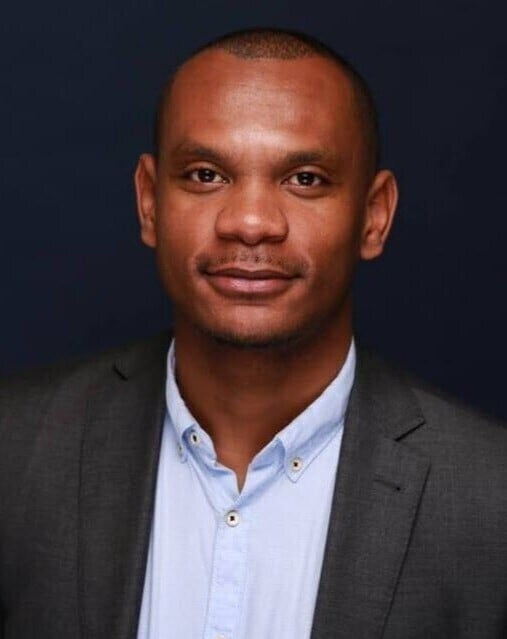
Lofred Madzou is the CEO of SkildMind, a tech-enabled consultancy firm that helps leading companies build and operate trustworthy AI solutions through a proven methodology, deep human expertise, and generative AI solutions.
SkildMind is built upon a decade of experience in the AI space. Indeed, From 2016 to 2018, he advised the French Government on AI policy and co-drafted the French National AI Strategy. Then, he joined the World Economic Forum as an AI Lead, where he supported Fortune 500 companies across jurisdictions in implementing responsible AI tools and processes. He also advised various EU and Asia-Pacific governments on AI regulation.
In 2022, he joined Truera – a leading startup in the AI observability space – as the Director of Strategy and Business Development. He led their growth efforts until their successful acquisition by Snowflake in 2024.
He is also the co-founder of the African Olympiad Academy, a world-class high school that trains Africa's top Math and Science talent.
Venture capital funds must implement robust ESG due diligence to help them create long-term, multi-stakeholder value and a commercial advantage.

Based on the work of the Forum's Responsible Use of Technology project here are 3 future trends to look out for in the ethical use of technology.

Facial recognition technology can help conduct faster investigations and bring offenders to justice, but guidance is needed to prevent human rights abuses

機械学習は、企業の運営方法を抜本的に破壊し始めた革命的なテクノロジーです。マッキンゼー・アンド・カンパニーのグローバルAI調査で報告されているように、企業が自社のビジネスプロセスに機械学習を導入しようと躍起になっているのは驚くことではありません。その一方で、AIの大規模な展開に成功しているのはごく一部に過ぎません。

Deploying AI at scale will remain problematic until companies engage in fundamental change to become ‘Responsible AI’-driven organizations.

An industry decimated by COVID-19 turns to contactless systems to address fears over virus transmission - but not without concerns for passengers' privacy

リスクの高い分野においてAIの導入が急速に進む一方で、AIの悪用に対する懸念が世間一般で高まっている状況を考えると、規制の導入は目前に迫っています。その証拠に、現在、欧州委員会が規制枠組みの策定を進めており、これがEU域内でビジネスを展開しようとするあらゆる企業に対して、GDPR(一般データ保護規則)と同様の広範な影響を及ぼす可能性があります。企業は、先を見越したAI製品...

A recent whitepaper from the European Commission (EC) could lay the groundwork for a regulatory framework for AI. Here's how business can get ready for the coming disruption.

The rise of AI is changing risk management and compliance, and creating new risks for businesses. Integrated audit solutions are needed to manage them.

AIはこの10年ほどで、第四次産業革命を推進するソフトウェアエンジンとして台頭してきました。AIは、すべての分野、国、そして、産業に影響を与える技術的パワーです。AIを活用したサービスは、よりパーソナライズされた購買体験の創出、生産性の向上、農業の効率化などにおいて既に応用されています。この進歩は、注目に値すると同時に、独自の課題も生み出しています。

There is a lack of consensus about how to ensure that AI-powered systems are deployed responsibly. Here's a framework for doing just that.

AI can improve lives, but to avoid issues such as accuracy, human control, transparency, bias and privacy challenges, its use needs to be carefully and ethically managed.

Carefully-planned engagements, ones that define what should be accomplished and how a range of people can contribute, can build trust in the long term.

These 4 steps can tackle bias and misuse in facial recognition technology.

Artificial intelligence, or AI, could help us respond to the coronavirus. But first, we must ask serious questions about reliability, safety and fairness.


