


Health and Healthcare Systems
日本における、がん医療の進化と社会のレジリエンス強化
日本ではがんの生存率は安定しているものの、さらなる向上に取り組んでいます。政府は、がん検診受診率の改善と治療のイノベーションを通じ、生存率の改善を目指しています。また、企業と連携し、治療の質の向上と、がん診断後も円滑に生活や就労を続けられる環境の整備に取り組んでいます。

日本ではがんの生存率は安定しているものの、さらなる向上に取り組んでいます。政府は、がん検診受診率の改善と治療のイノベーションを通じ、生存率の改善を目指しています。また、企業と連携し、治療の質の向上と、がん診断後も円滑に生活や就労を続けられる環境の整備に取り組んでいます。

Japan is pushing to improve resilience against cancer in a whole-of-government strategy that is focusing on innovation, early screening and well-being.
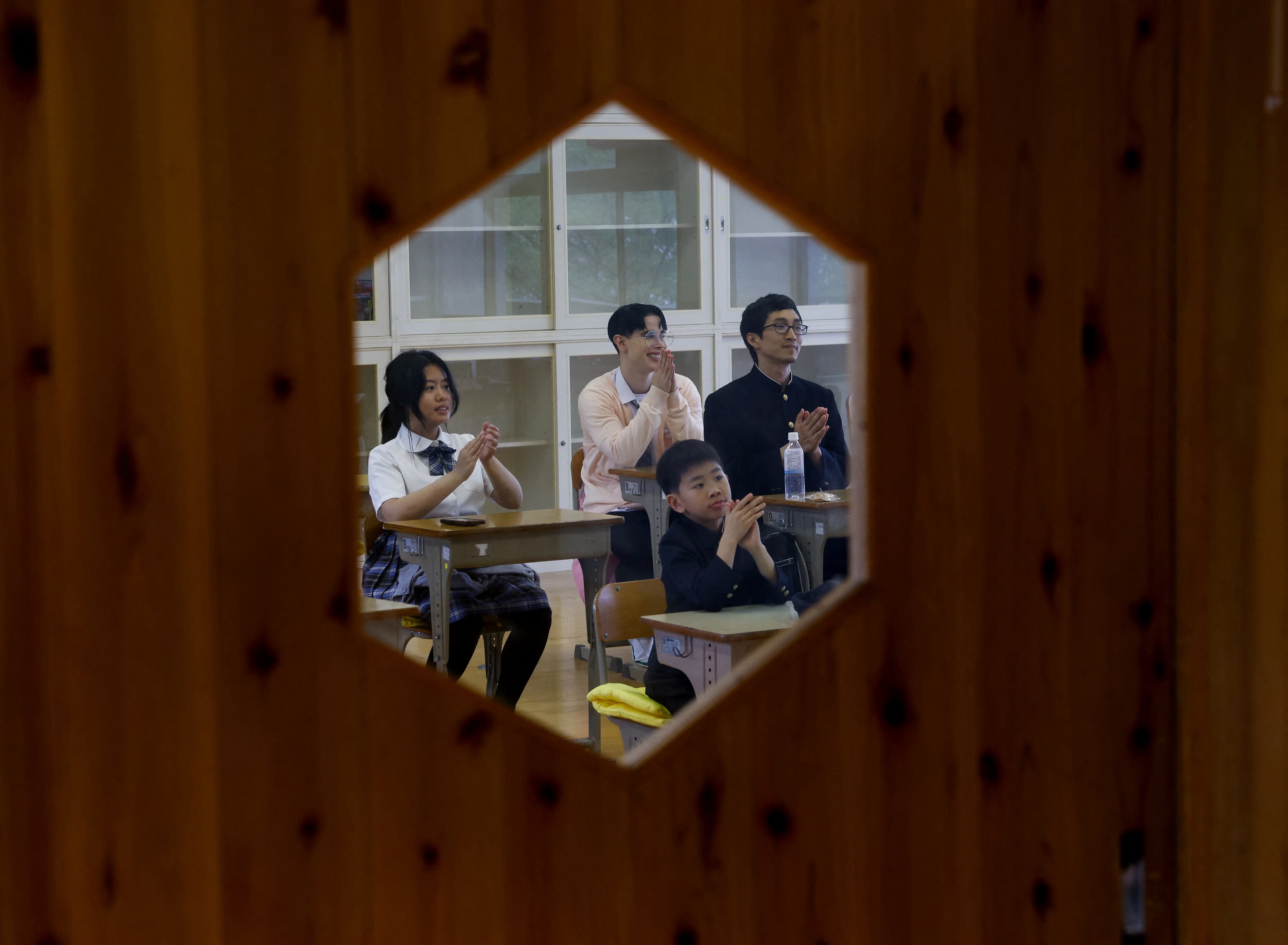
日本では共働き世帯が増加し、多くの家庭で両親が家の外で働くようになっています。こうした変化により、子どもたちが家庭の外で過ごす時間も長くなっています。日本では、この状況に対応するため、家庭への支援を強化するとともに、地域社会の中で子どもたちが安全で充実した生活を送れる環境づくりが進められています。
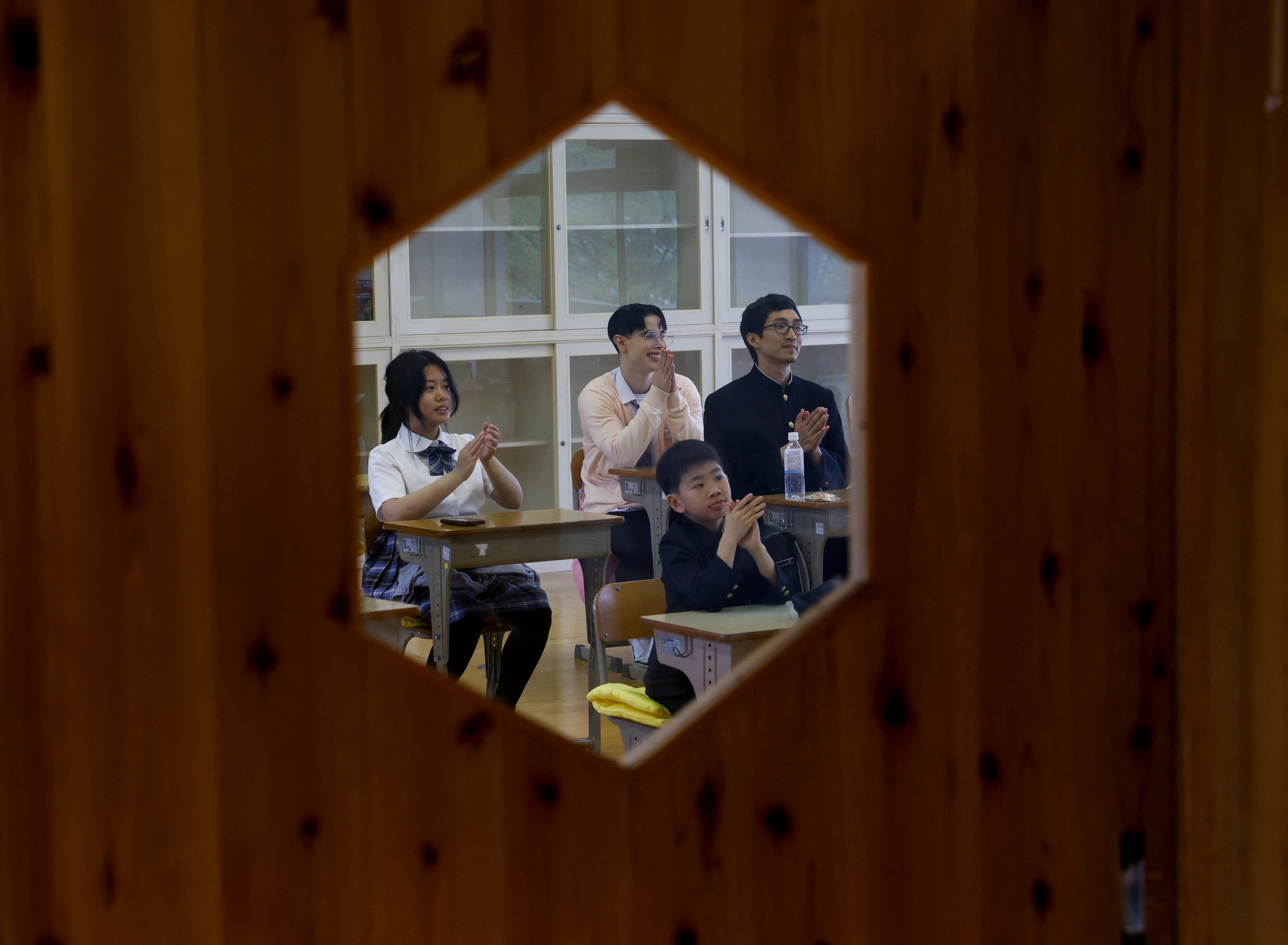
In Japan, more families than ever are dual-income. That national shift is changing children's lives and in some cases breathing new life into communities.

Las bibliotecas en Japón están evolucionando hacia una infraestructura que fomenta la cohesión social, promueve un envejecimiento saludable y fortalece la resiliencia social.
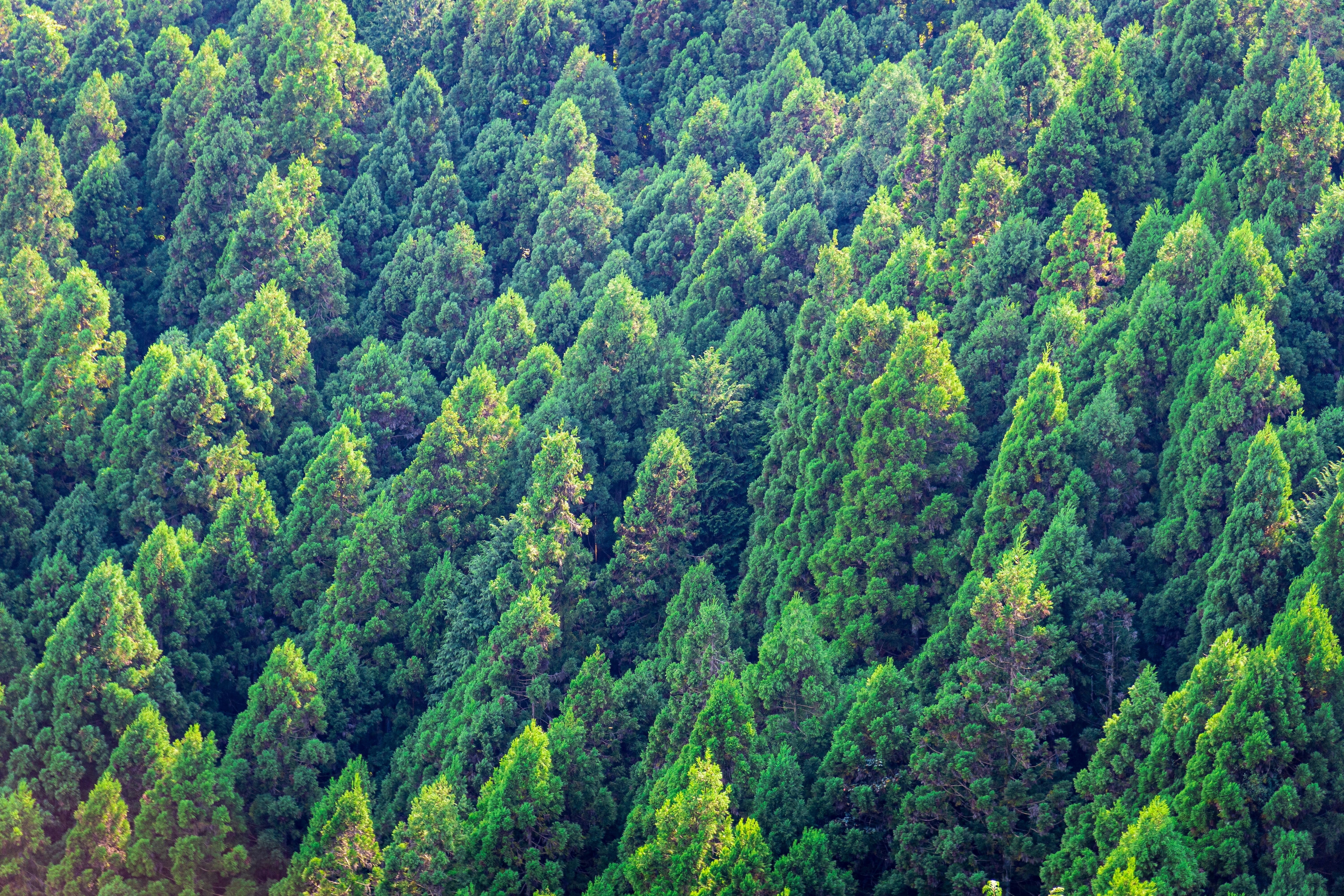
日本では、花粉症が1日あたり15億ドルの生産性損失をもたらす構造的な経済課題として認識されています。戦後の植林政策によって生じた花粉問題は、現在では学業や長期的な国家競争力にも影響を及ぼしつつあります。政府は、データに基づくスマート精密林業やデジタル技術を活用し、30年以内に花粉量を半減させることを目指しています。
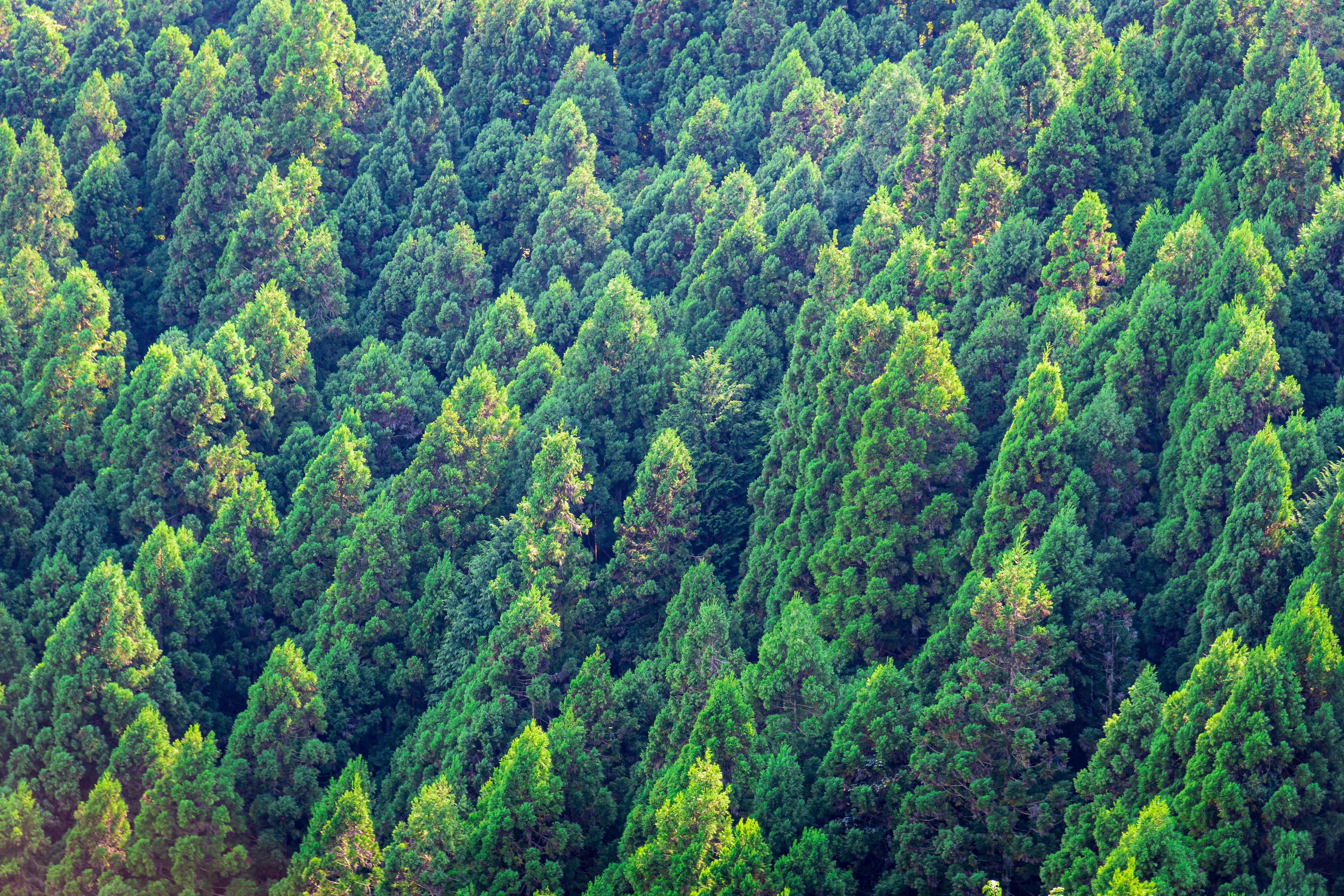
Japan's postwar reforestation policies have created a structural pollen crisis now threatening student performance and long-term national competitiveness.
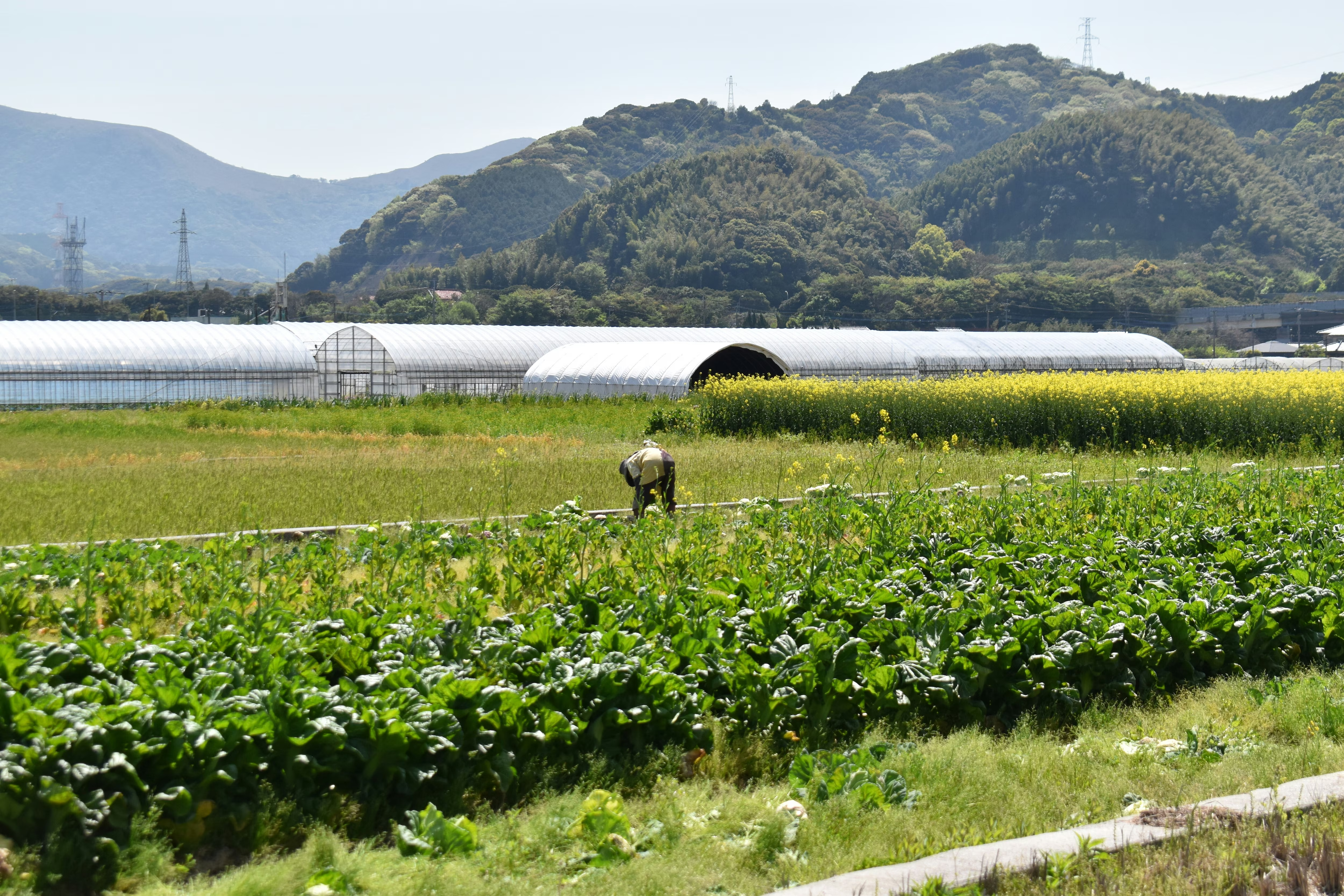
El cambio climático amenaza el suministro global. En Japón, el clima extremo golpea al arroz, obligando a los agricultores a usar tecnología y nuevas estrategias para blindarlo.
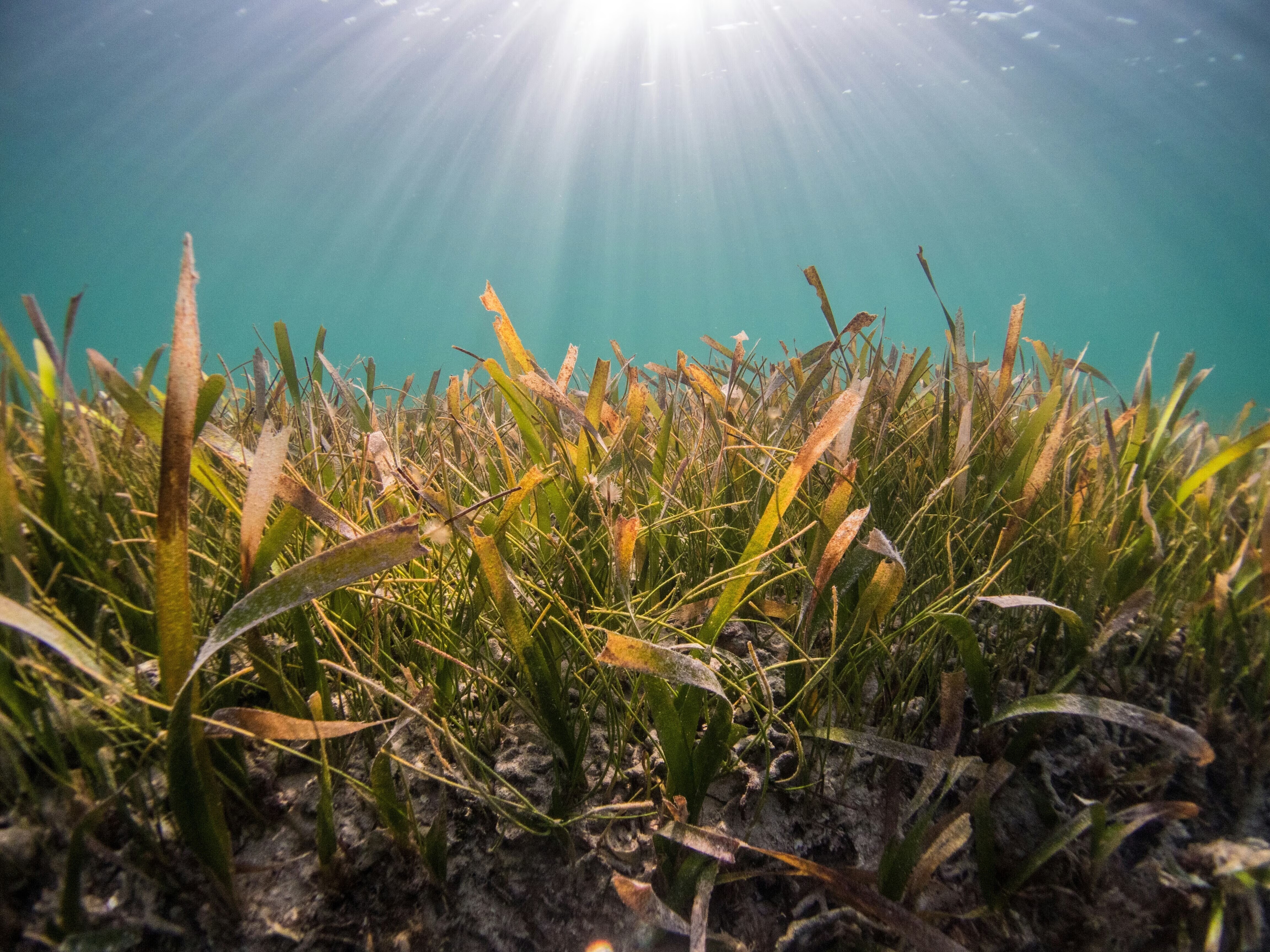
海草藻場は海洋全体の1%未満しか占めていないにもかかわらず、年間の海洋炭素吸収量のおよそ10%を占めているとされています。日本政府は、「里海」という考え方のもと、沿岸域の保全に取り組み、ブルーカーボンの吸収量を取引可能なクレジットへと転換する「Jブルークレジット」制度を活用して企業の参画を促しています。
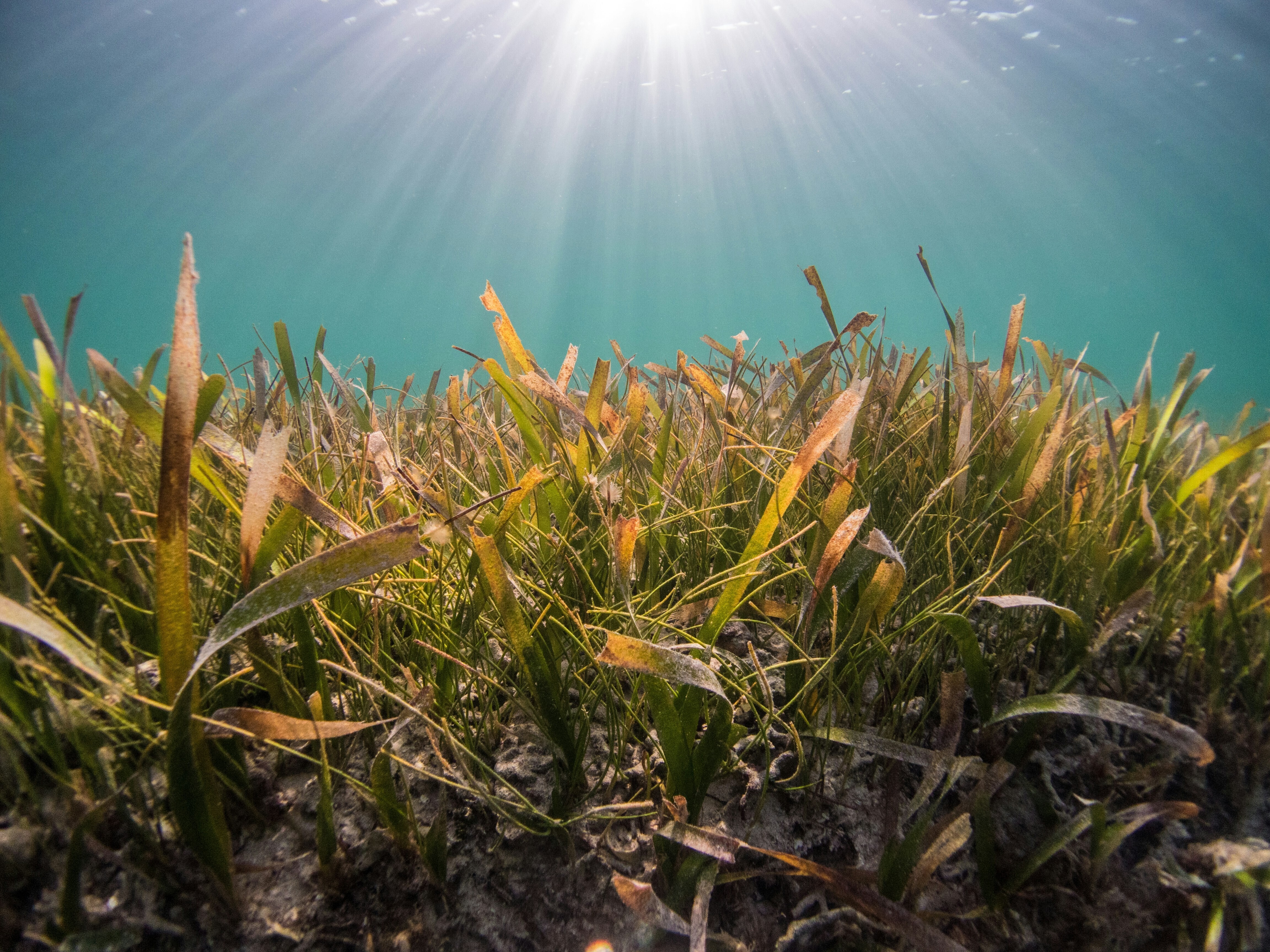
Japan's satoumi initiative is turning seagrass restoration into a scalable climate, economic, and resilience strategy, offering a global model for nature-based coastal solutions.

図書館は今、社会的包摂を促進し、健康長寿を支え、社会全体のレジリエンスを高める基盤インフラとして再定義されつつあります。単なる情報提供の拠点を超え、イベントや対話の場を創出することで、人々が家庭の外へと踏み出し、知的・身体的活動に参加する機会を広げています。

Libraries in Japan are evolving into infrastructure that fosters social cohesion, promotes healthy ageing, and boosts societal resilience.
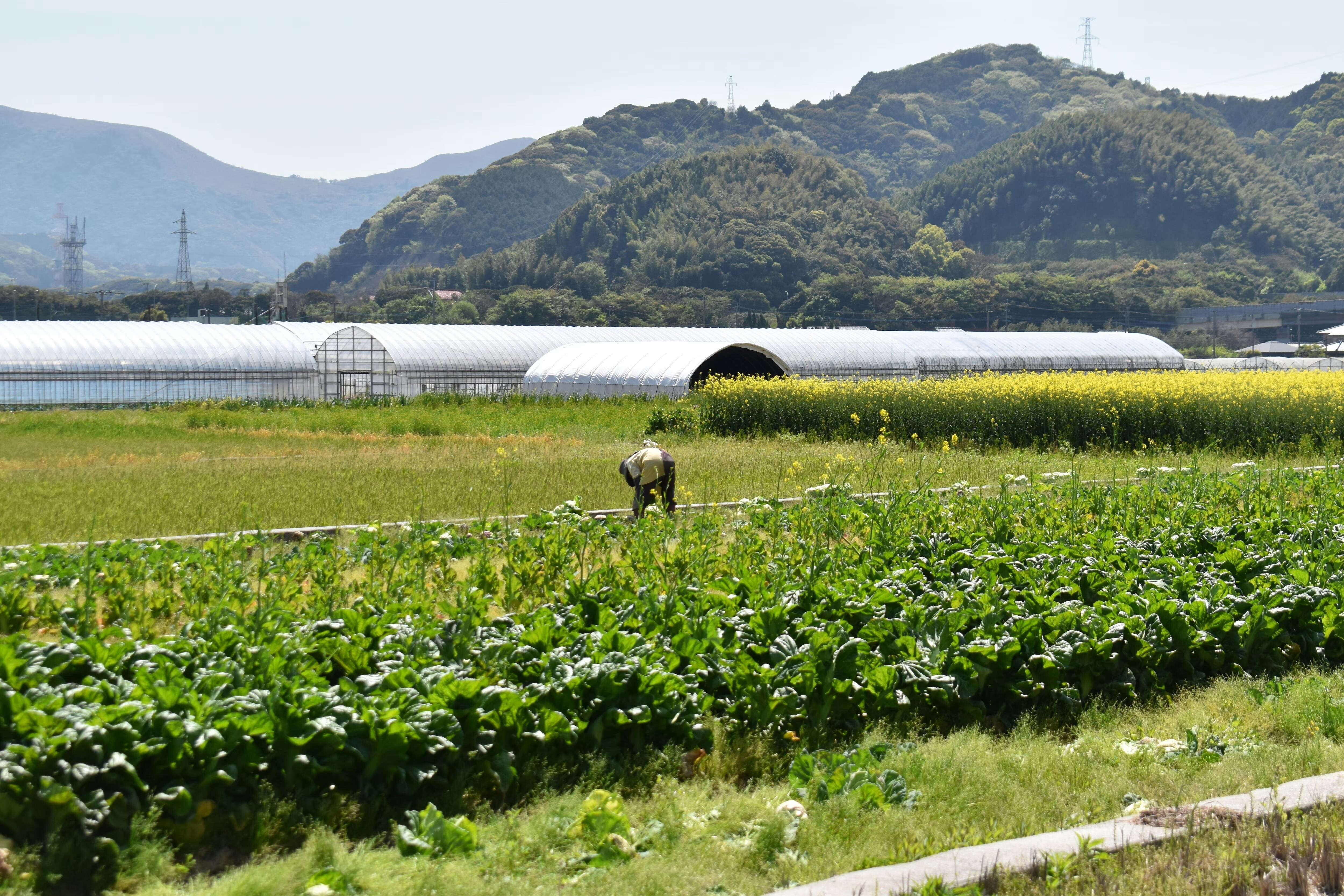
気候変動は世界全体の食料供給を脅かしています。日本においても、異常気象の影響によりコメの品質が低下するなど、農業生産に打撃が出ています。日本では、農家が作物の品種を見直し、新たな技術を導入することで、生産性の向上に向けた適応を進めています。
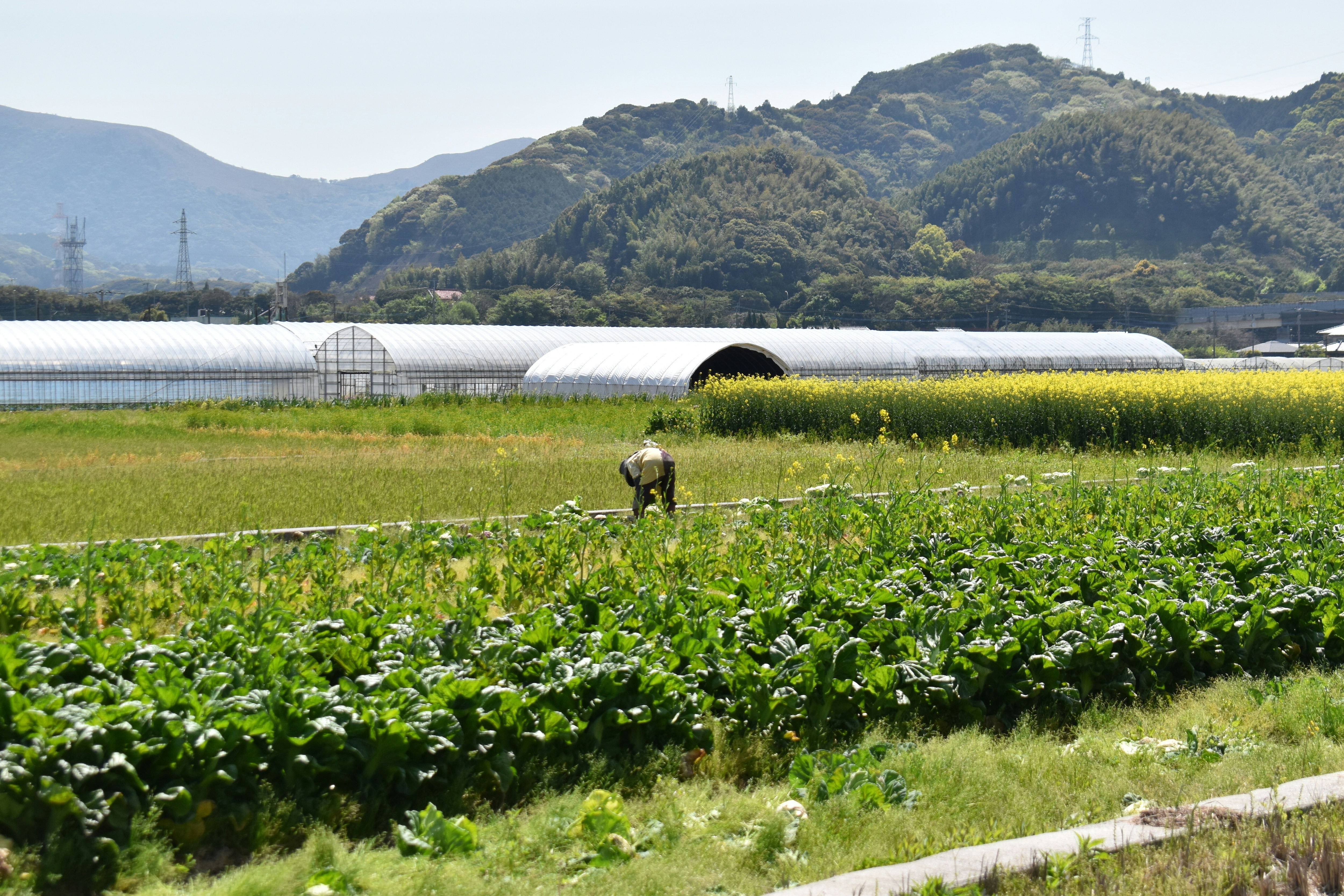
Climate change is threatening the global food supply. In Japan, extreme weather has affected rice quality, prompting farmers to adapt with new strategies and techniques to protect their c...
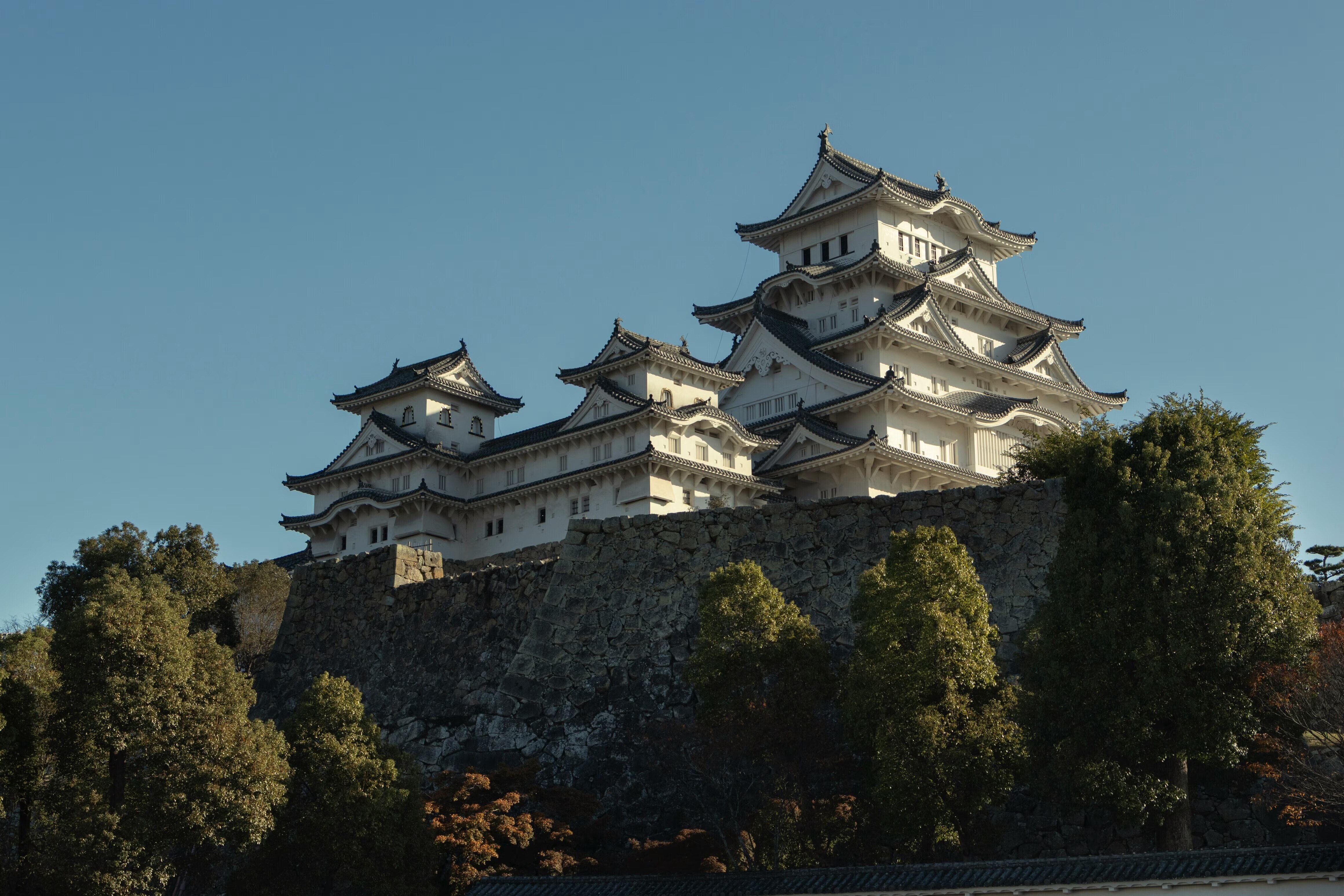
文化遺産を守ることは、現在の文化的豊かさを維持し、次世代へと確実に継承することにつながります。日本には、美術、工芸、建築に至るまで、多様かつ膨大な文化資産が存在しています。人口動態の変化や気候関連リスクといった課題に直面する今、文化遺産保護の強化は、レジリエンス構築において重要な役割を果たし得るでしょう。


