Meeting the crypto regulatory challenge
Crypto adoption soared during the pandemic. With the right rules, it could help boost the formal economy and secure financial inclusion on a global scale.
Clean-energy corporate power purchase agreements (CPPA) are a key tool for corporations targeting 100% renewable energy procurement. Here's how they work.
By 2025, 85 million jobs may be displaced by a shift in the division of labour between humans and machines. How should educators prepare young people?
There are ways to generate scalable investments that enhance returns while providing the funding required for the green transition.
Heavy-duty trucks are responsible for 25% of global road emissions. The industry needs to decarbonize but many barriers remain – here's how it can be done.
The economic impacts of COVID-19 may last until 2024 in low-income countries because of the lag in vaccination, with only about 1% of people being vaccinated.
Decommissioning of coal-fired power plants, particularly in emerging markets is a mammoth task. These four issues must be addressed to ensure success.
A Māori lens on AI, prioritising diversity, inclusion and dignity, could add real value to organisations or entire nations.
We need to pull together to build the teams – across the industry, government, and finance – to deliver decarbonisation. Playing solo is not an option!
Investment in decarbonization and a circular economy will change long-term market assumptions and financial return expectations by valuing natural capital.
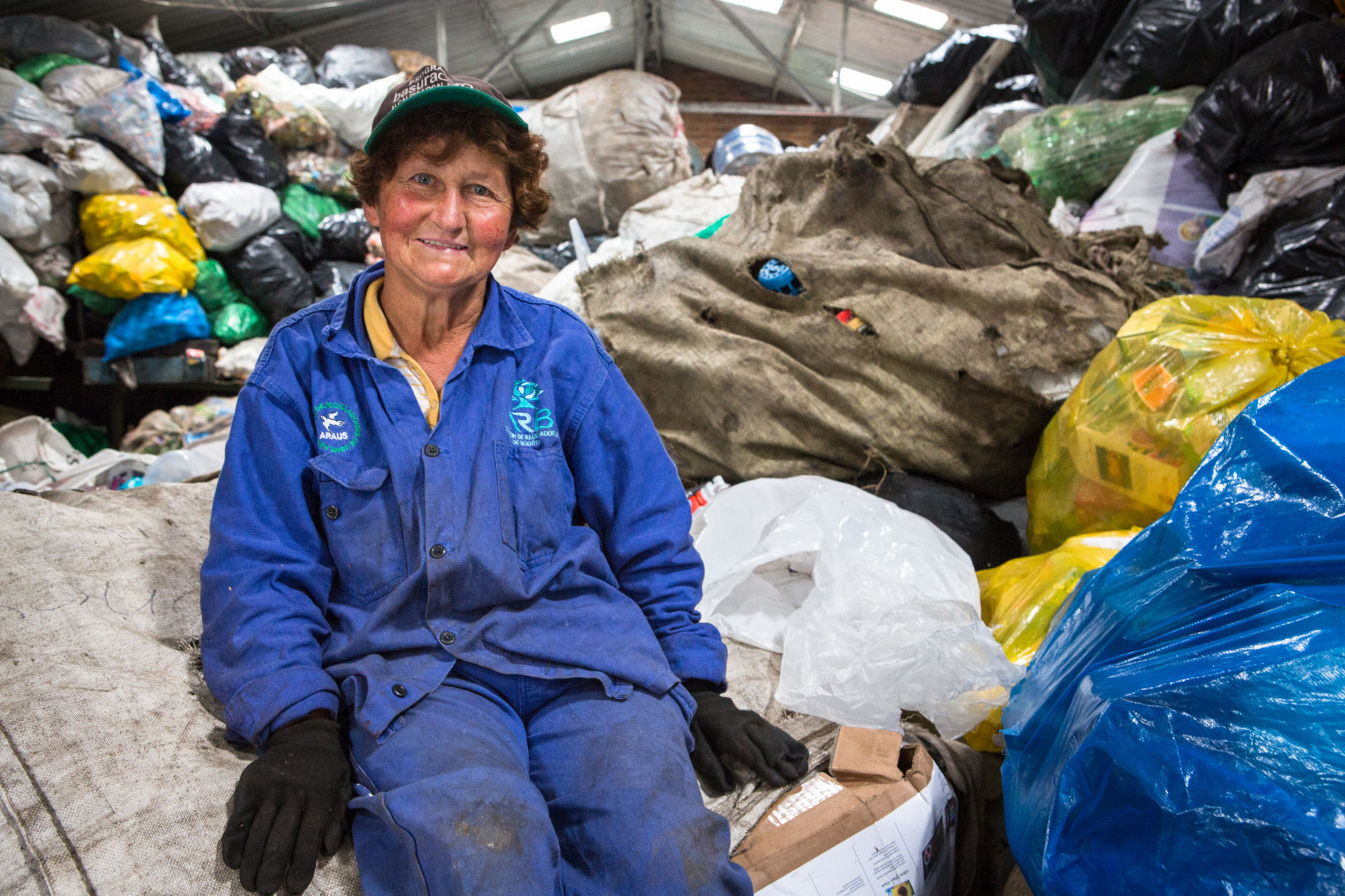
The world has relied on essential workers during the pandemic –yet too many still lack basic protections. Here's how we can fix that.
The real economy needs to be at the centre of climate action, with the harder-to-abate sectors key to avoiding the worst impacts of climate change.
International and national action can close the legal loopholes that allow cryptocurrency crime to flourish, protecting investors and financial systems.
Clean air might soon be considered as a new global currency. The unequal distribution of air pollutants in marginalized communities means poor people breathe dirtier air.
Of the billion people around the world experiencing mental ill-health, more than 80% lack quality, affordable care. Philanthropy could help to change this