


Education and Skills
How entrepreneurship education can bridge the global leadership gap
Through entrepreneurship education, we can help the next generation to become global leaders who can survive complexity and transform it into opportunity.

Through entrepreneurship education, we can help the next generation to become global leaders who can survive complexity and transform it into opportunity.
Interacting with different systems on our behalf, agentic AI has given rise to non-human identities (NHIs) that vastly increase the attack surface for malicious actors.

Financial literacy isn’t just a personal skill, it can help households to absorb shocks, which leads to more market stability and greater economic growth.

Antimicrobial resistance (AMR) threatens lives, healthcare systems and the global economy. But anticipatory governance that reshapes responses can get ahead of the problem
As shocks become more systemic, company boards need new ways to manage climate risk, but common insurance assumptions can create blind spots for some.

The ocean is degrading rapidly. We need a regenerative blue economy that focuses on restoring marine ecosystems, while supporting global economic growth.
Cybersecurity should be built into next-generation computing engineering and deployment processes, but it doesn’t have to mean compromising capability.

The widespread scale of cybercrime now makes it a strategic imperative for business leaders. But they can't simply focus on systems protection.
Artificial general intelligence could reshape cybersecurity. The challenge is whether defenders adopt it faster than attackers.

Now technically and economically viable, space-based solar power (SBSP) could be a new abundant sustainable energy source.

Reframing governance to handle the challenges of AI means defining desired outcomes and working backwards to the required mechanisms.
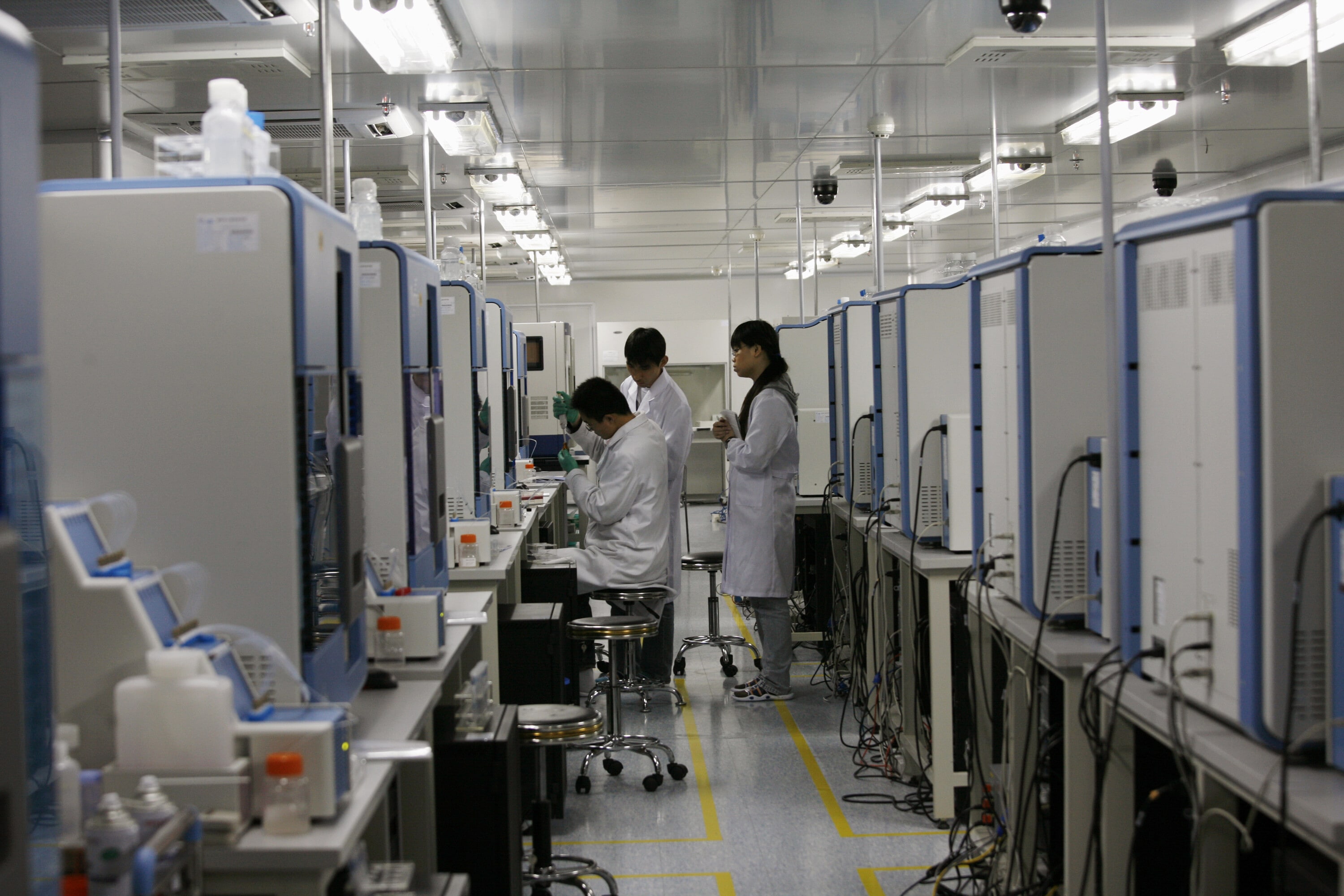
Generative biology fuses AI, automation and biology to drive breakthroughs but faces systemic risks, demanding strong governance, equity and safeguards.

Neurotechnology offers life-changing potential but without robust security and governance, it risks exposing the very core of human identity.
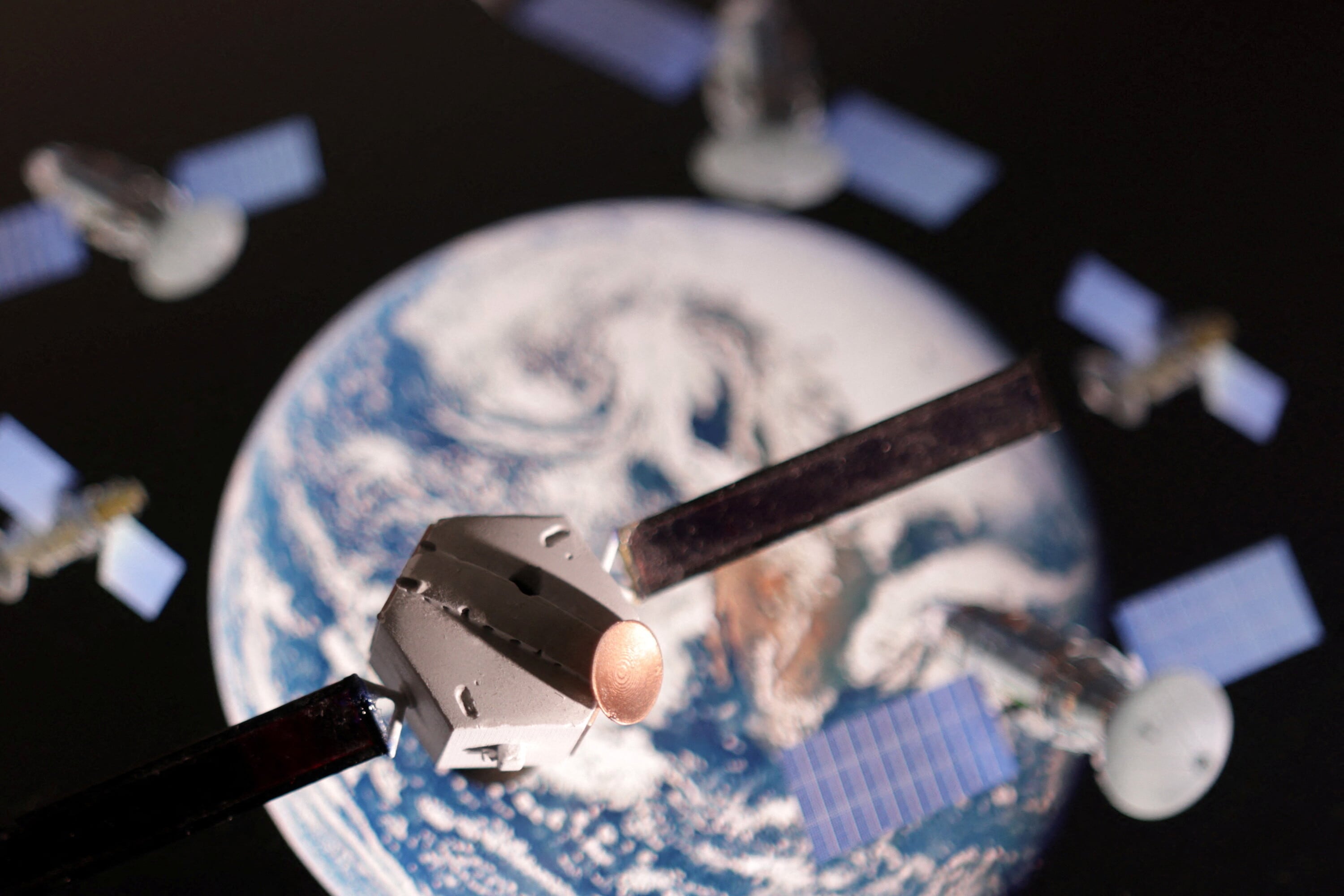
Safeguarding satellites through cyber resilience in space is vital for economies and security. Strong standards and collaboration can secure space systems.

Systems often break because workers don't have the correct cybersecurity training. Digital resilience requires investment in people and in teсhnology.


