


Cybersecurity
Security-by-design lessons from India's digital public infrastructure journey
India’s digital public infrastructure (DPI) journey involved addressing critical security and privacy challenges, providing lessons for other countries.

India’s digital public infrastructure (DPI) journey involved addressing critical security and privacy challenges, providing lessons for other countries.
With cybercriminals increasingly employing both cybersecurity and information-integrity-related threats, both disciplines are now integrally linked.

$80 trillion of wealth will be transferred into new hands in the coming years – women and Gen-Z will now come to the fore. Their priorities are different.

Who benefits from AI given the different ethical, social and spiritual dimensions? What is needed is inclusive, human-centred AI development.

The policymaking systems tasked with addressing the world's challenges remain overwhelmingly short-term, linear and reactive. Is this what needs to change?

AI-led interviews can expand opportunities for overlooked candidates, reduce recruitment bias, increase efficiency and make rejection more constructive.

Osmotic energy, powered by saltwater and freshwater, could supply 20% of global electricity while offering 24/7, carbon-free, and scalable renewable power.

Investing in nature is the key to sustainable growth – here's how to integrate natural capital into balance sheets and unlock real financial value.
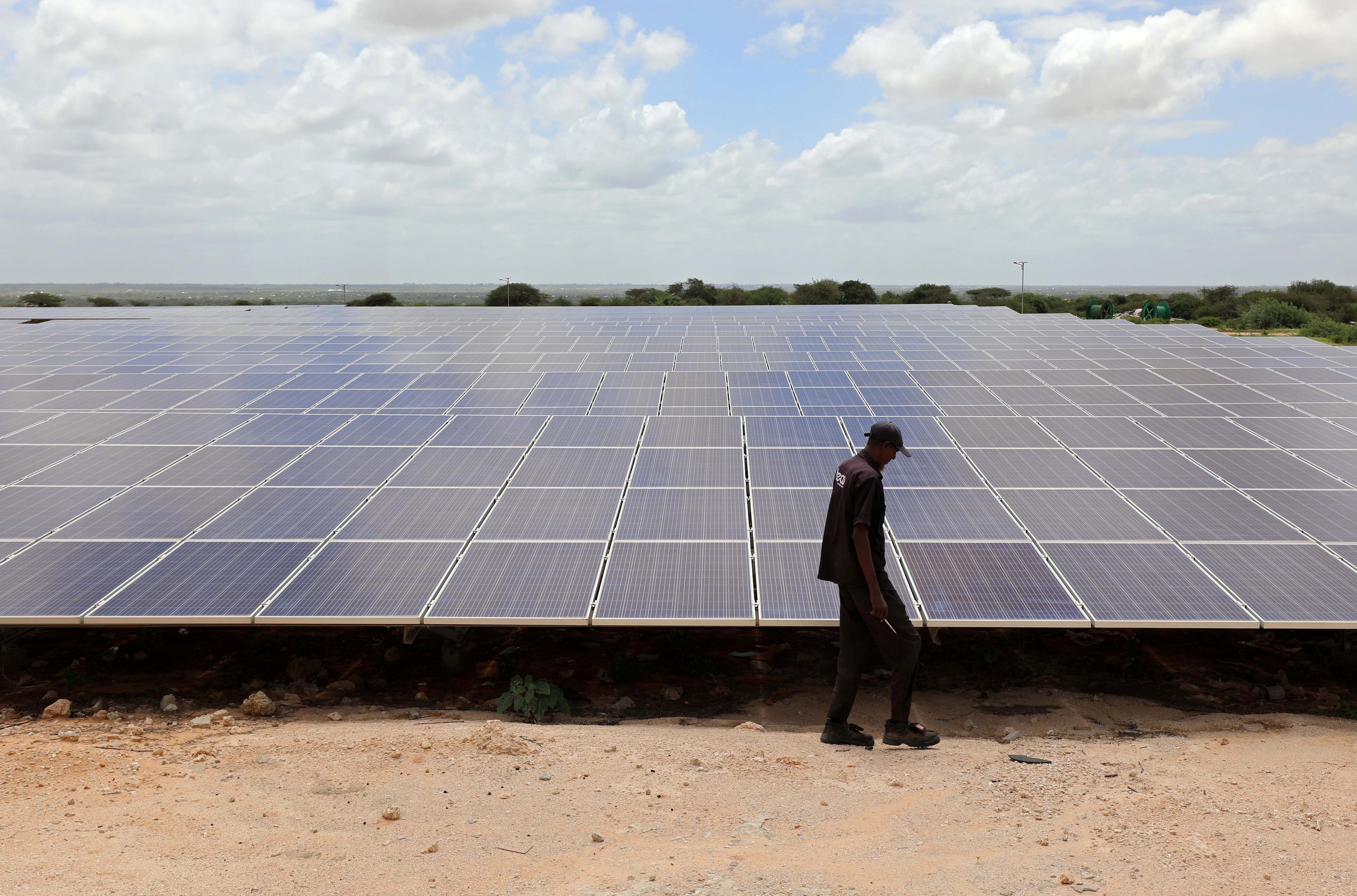
Somalia’s journey into renewable energy is still nascent but rich in potential. Overcoming its fossil fuel and import dependency will progress it further.

Brazil is testing new models of public entrepreneurship, showing how innovation within institutions can rebuild trust, capacity and democracy.

Climate policy should target the richest cohort responsible for the largest share of global CO₂ emissions. Eliminating the fossil fuel subsidies that primarily benefit them would be a goo...
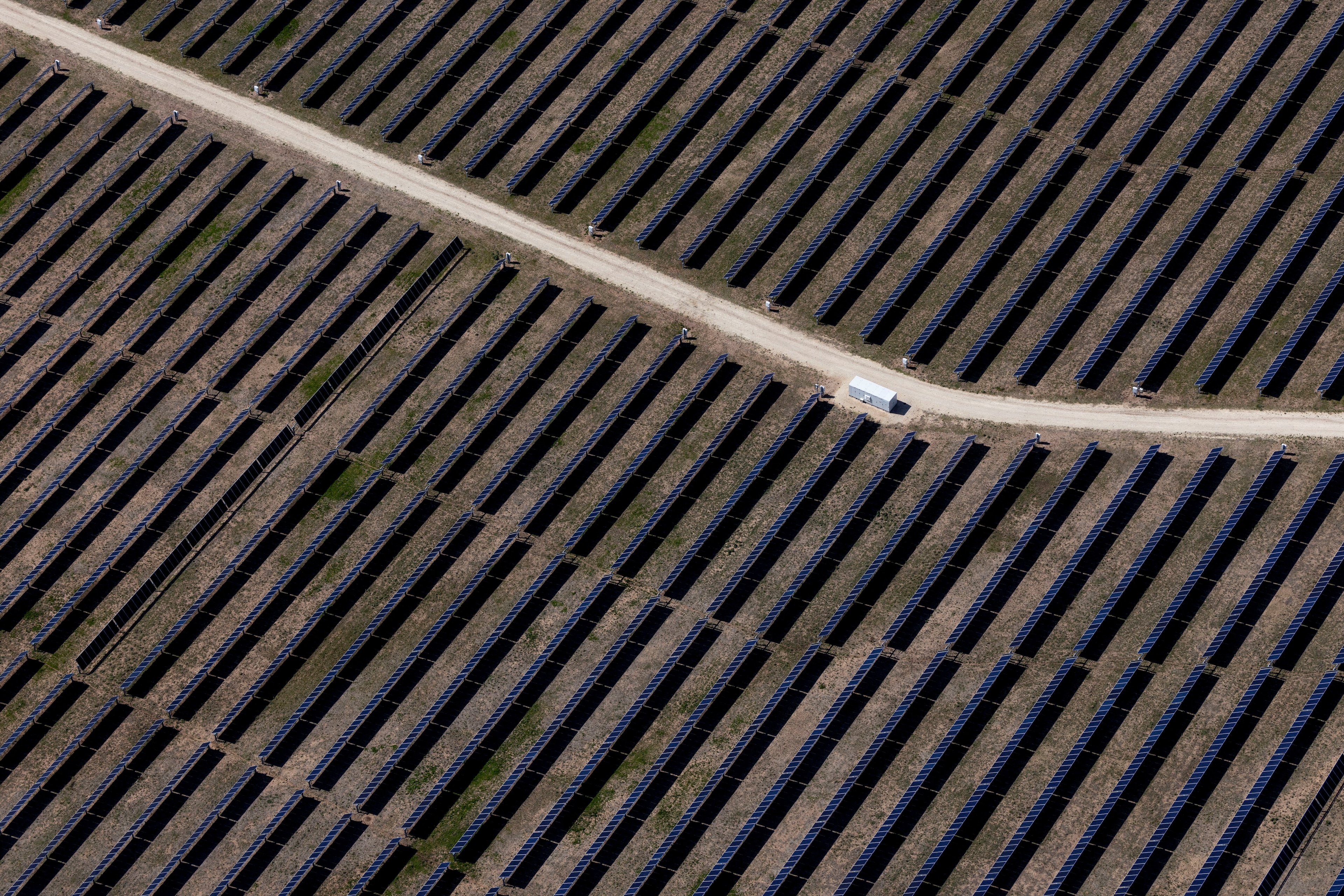
How the Global Future Council on Energy Nexus is shaping integrated solutions to manage the energy, food and water nexus in a resource-constrained world.

Research shows that the financial education lessons children receive at school can benefit family finances, which indirectly benefits the wider economy.
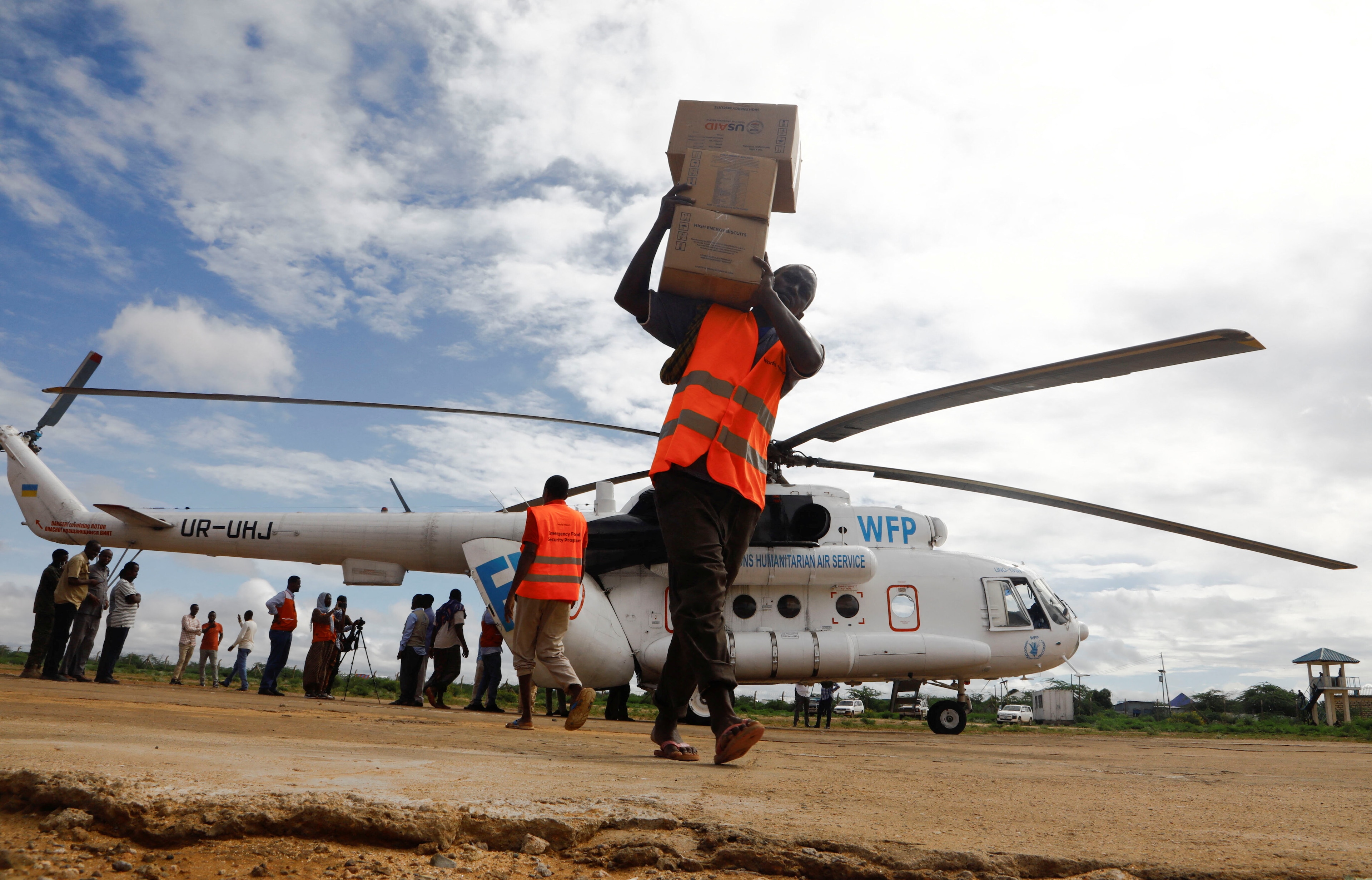
As the need for and nature of international humanitarian aid changes, a new approach is required, utilizing blended finance, centring communities, and redistributing resources.
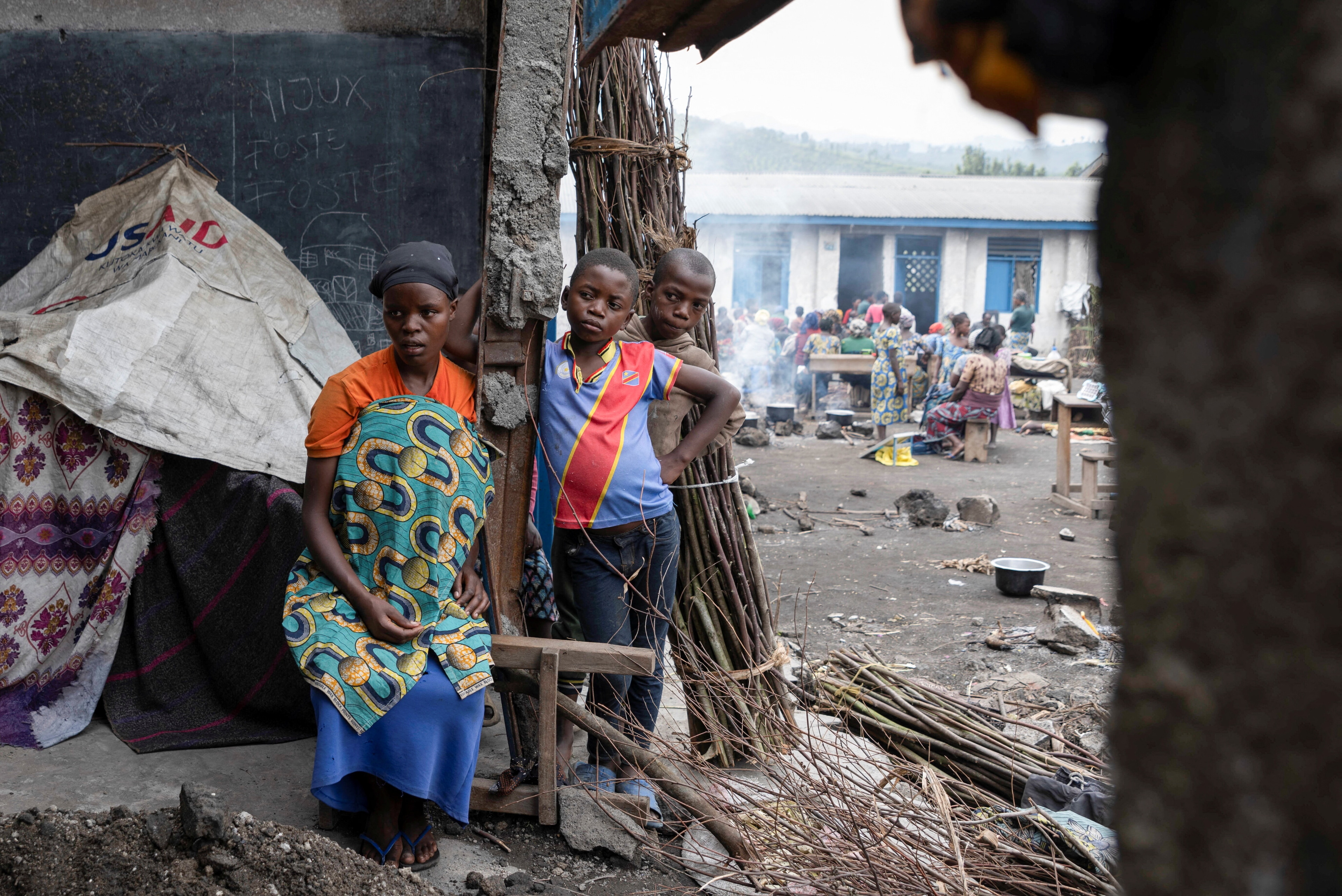
Only governments can offer lasting solutions for the growing numbers of internally displaced people due to conflict, climate change, and criminal violence.


