

Women are more likely to follow COVID-19 safety measures, study shows
Women are more likely than men to follow guidelines outlined by medical experts and governments to prevent the spread of COVID-19, new research finds.


Here's how virtual reality could transform medical research after COVID-19
The coronavirus pandemic has stopped research projects and medical trials all over the world. Could virtual reality offer scientists an alternative to real-life labs?


Genetic 'scissors' win Nobel Prize in Chemistry in historic first for women
Emmanuelle Charpentier and Jennifer Doudna have been awarded the 2020 Nobel Prize in Chemistry after their breakthrough development of 'genetic scissors'.


How 'universalization' could help us make more sustainable decisions
It involves asking yourself, 'What if everyone did that?' and could have implications for the COVID-19 pandemic and climate change.


Meet Dormio, the experimental device that lets you control your dreams
Researchers have developed a new way to influence dreams through “Targeted Dream Incubation”, which works by repeating information as you're drifting off.
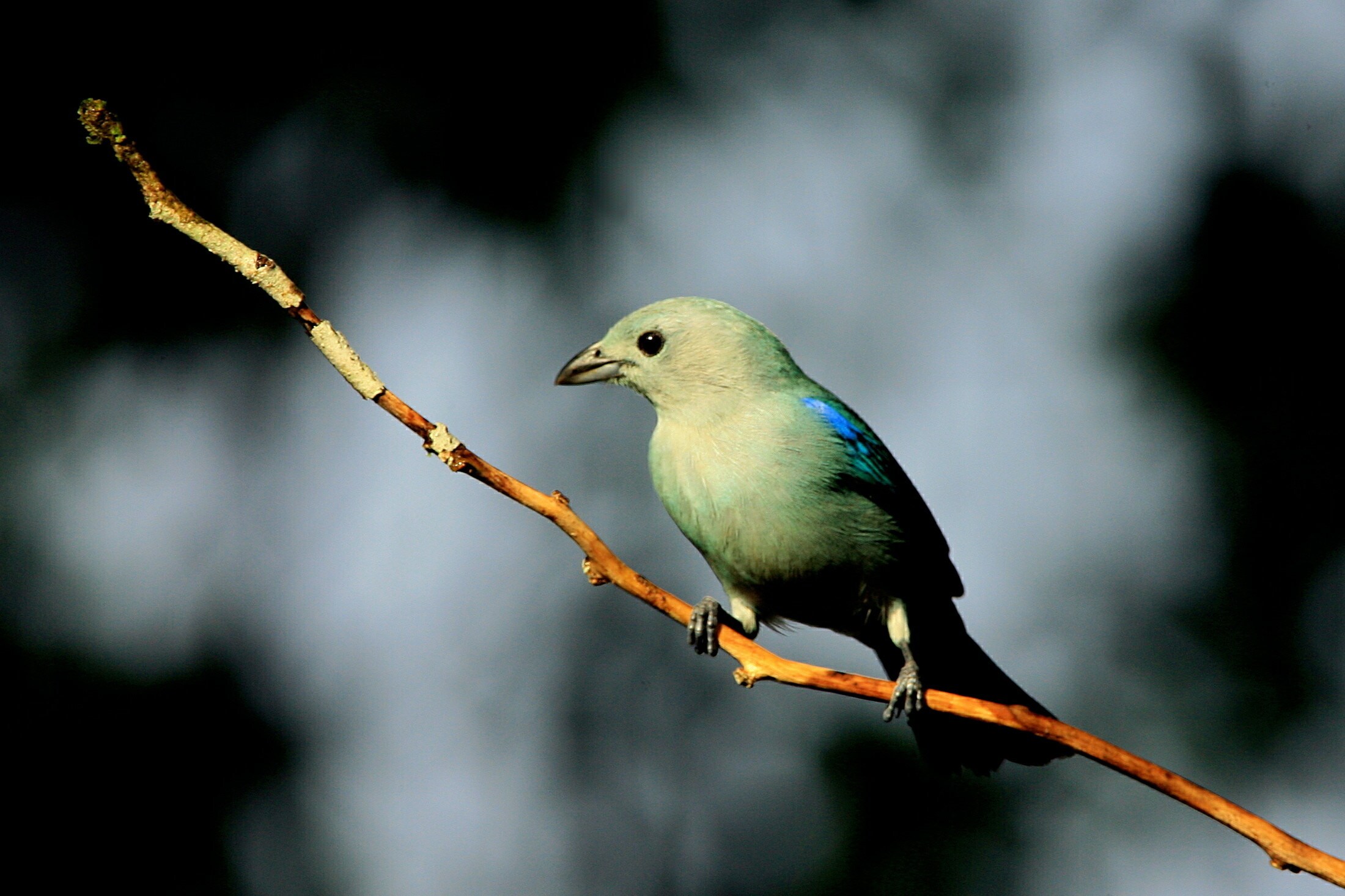

Scientists thought only male birds sang - until women joined the research
For more than 150 years, scientists have considered bird song to be an exclusively male trait, but female scientists have changed that.


COVID-19 and your brain: 6 ways to control the damage to your mental health
Do you suffer from a tendency to ruminate? Have negative bias and an alarmist sense of threat? Emotional numbness? Inattention and cognitive fog?


This is what decades of research tells us about the difference between men's and women's brains
Researchers have been looking for differences in the brains of men and women for decades. However, neuroscientists are still unable to identify any consistent difference.


A new study has revealed why people share their political views online
A new Swedish study has revealed a common psychological trend among people who debate and share their political views and opinions on the internet.


Coronavirus: how crisis helps us connect with strangers
A psychologist explains how COVID-19 is changing our behaviour, especially our heightened emotional connection with strangers and sense of community.


Decoding our emotions in a highly coded world
Lockdown is an emotional experience. Read an extract from Rana El Kaliouby's book 'A Girl Decoded' on how the expression of feelings is subject to cultural differences.


These Harvard scientists think we'll have to socially distance until 2022
Restrictive measures may need to be in place longer than expected as countries begin exiting lockdown.