

Why nature loss should be measured in the same way carbon emissions are tracked
On the second anniversary of the Montreal Global Biodiversity Framework, more action is needed to stop nature loss and secure a nature-positive world.


The 5 essential ingredients to unlock the power of climate collaboration
How cross-sector partnerships, innovation and equity-driven collaboration can unlock transformative solutions for climate and nature challenges.


The 3 climate priorities humanitarians need to boost their impact
Starting with acknowledging climate as a health emergency, the IFRC's three-pronged approach to humanitarian work helps build climate resilience ahead of disasters.


Climate risks are set to slash corporate earnings. Here’s what CEOs and boards can do
The findings for leaders from two new Forum reports are eye-opening – but the research also sets out some practical ways they can respond.


Land degradation is a priority for business – here’s why
Businesses integrating land-positive practices into their operations can minimize risks, safeguard resources and thrive in a nature-dependent economy.


CEOs need to bridge the corporate cost of climate inaction
Climate risks should be seen as immediate business priorities. The Alliance of CEO Climate Leaders and BCG offer a strategic playbook on taking action.


10 ways business leaders can build resilience in the face of climate hazards
Businesses that fail to adapt to climate risks could lose up to 7% of earnings by 2035. Business leaders must take action today — here's where to start.


Our civilization’s survival depends on collective action
The survival of our civilization depends on our ability to halt the climate crisis, avoid ecological collapse and build urgent resilience in our systems.


How climate change and water stress is risking the semiconductor supply chain
Many semiconductor manufacturing facilities are in watersheds facing the most severe water stress risks by 2030, risking the semiconductor supply chain.


What’s the difference between carbon negative and carbon neutral?
Learn the difference between carbon negative and carbon neutral and how businesses implement advanced strategies to remove more CO₂ than they emit, driving impactful climate solutions.
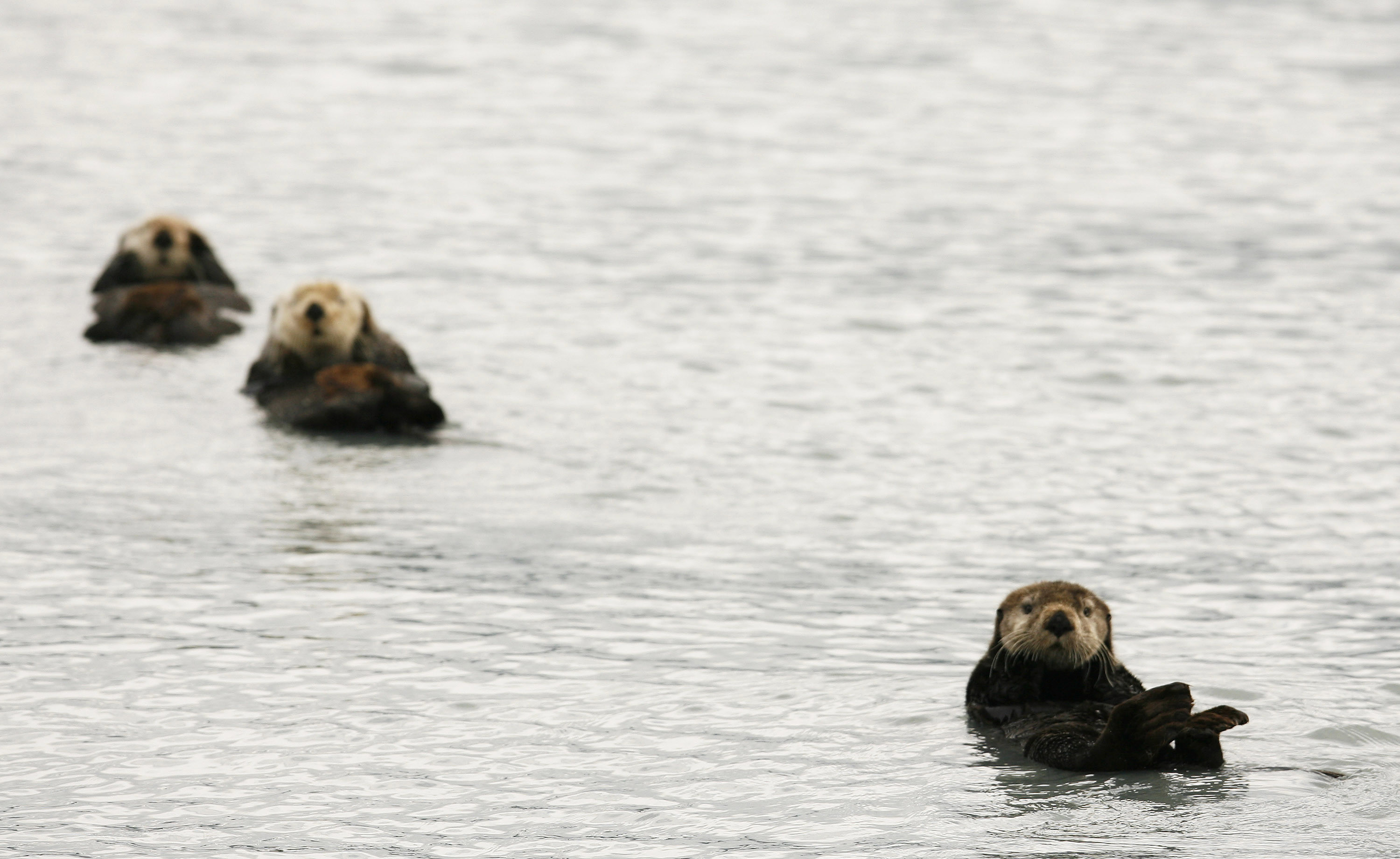

What are keystone species, and why do they matter?
From sea otters to cacti, wolves to coral, keystone species are the lynchpin of ecosystems, enabling other species to survive, and maintaining habitats.


How the ocean shone during the UN Biodiversity Conference 2024
COP16 on biodiversity was one of the blueest with major wins for the ocean, including reviving ecologically or biologically significant marine areas.