

The Fourth Industrial Revolution represents a fundamental change in the way we live, work and relate to one another. It is a new chapter in human development, enabled by extraordinary technology advances commensurate with those of the first, second and third industrial revolutions. These advances are merging the physical, digital and biological worlds in ways that create both huge promise and potential peril. The speed, breadth and depth of this revolution is forcing us to rethink how countries develop, how organisations create value and even what it means to be human. The Fourth Industrial Revolution is about more than just technology-driven change; it is an opportunity to help everyone, including leaders, policy-makers and people from all income groups and nations, to harness converging technologies in order to create an inclusive, human-centred future. The real opportunity is to look beyond technology, and find ways to give the greatest number of people the ability to positively impact their families, organisations and communities.

Satellite data and imagery can offer fresh insights and understanding of the processes shaping the future of our world - from ice cover to river colour.

The Israeli town of Hadera hosted a test for coordinating drones to help regulators learn what is needed to enable daily delivery drones.

There will be a shift in the global ageing population from 7% today to 20% in the next few decades. This growth will be one of the greatest social, economic, and political transformations...

Improved forms and standards for establishing digital identity will shore up trust between service providers, ID services and users that is the foundation of online life

NFT stands for 'Non-fungible token' and is a tradeable, digital ownership certificate representing the ownership of a unique asset.

This work involves a 3D printing method called stereolithography and jelly-like materials (hydrogels), used to create products such as contact lenses.

A new method called tensor holography could enable the creation of real-time holograms for virtual reality, 3D printing, and more.

From wearable tech to smart industries, artificial intelligence and the Internet of Things are being combined to change how we interact with devices.
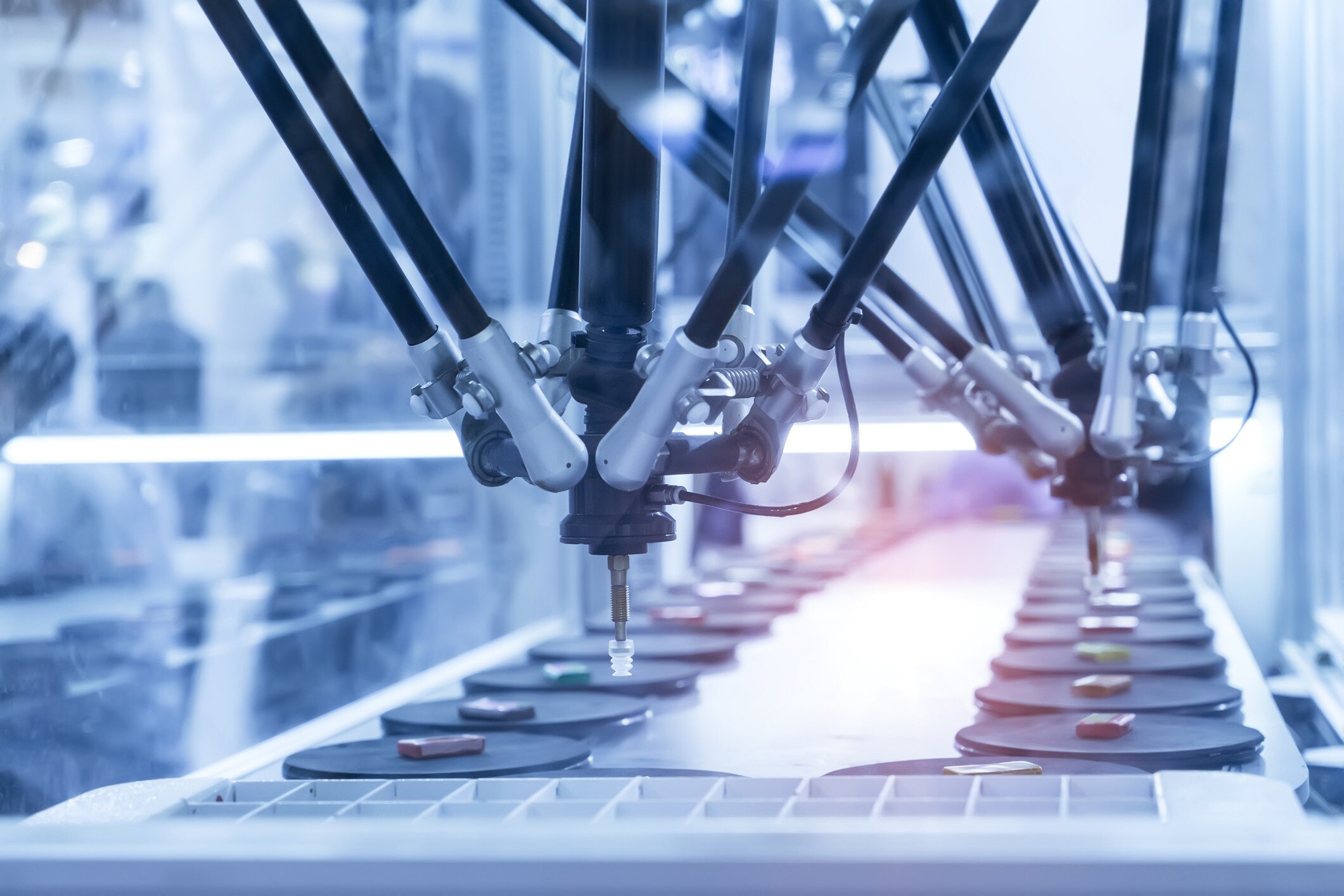
The Global Lighthouse Network welcomes 15 new lighthouses to an inspiring group of organizations that exhibit the essential characteristics of the Fourth Industrial Revolution.

Radio Davos is the World Economic Forum's new podcast, looking at the world's biggest challenges, from pandemics to climate change, and how we might solve them

A new protocol that allows service providers to choose which route their data takes could help reduce the internet's rising emissions of greenhouse gas.

Digital tools, including mobile apps, which allow fishermen to share ideas and monitor catches are helping to tackle overfishing and protect livelihoods.


