

In 2020, the global workforce lost an equivalent of 255 million full-time jobs, an estimated $3.7 trillion in wages and 4.4% of global GDP, a staggering toll on lives and livelihoods. While vaccine rollout has begun and the growth outlook is predicted to improve, an even socio-economic recovery is far from certain.
The choices made by policymakers, business leaders, workers and learners today will shape societies for years to come. At this critical crossroads, leaders must consciously, proactively and urgently lay the foundations of a new social contract, rebuilding our economies so they provide opportunity for all.
In this context, the Forum remains committed to working with the public- and private sectors to provide better skills, jobs and education to 1 billion people by 2030 through initiatives to close the skills gap and prepare for the ongoing technological transformation of the future of work.

The next 10 years will see 800 million people graduate K-12 and 350 million people leave secondary school. EdTech is shaping their journey more than ever.

Generative AI can democratize personalized education, help students work on more ambitious projects and lift the burden of admin from educators' shoulders.

The learning achievements of 680 million children have never been measured. New tools are expected to plug the data gap in global education systems.

AI offers novel opportunities for deeply personalized learning and tutoring and is set to turbocharge the edtech industry while creating uncharted risks for today’s learners in schools, u...

What do social media content creators make of Davos? We speak to three YouTubers - with a collective audience in the millions - who were given full access to the World Economic Forum's...

As global challenges intensify, universities must join forces across nations to tackle them; Times Higher Education names those most internationally connected

Teachers and tech will be crucial to developing education in Africa, which could provide one in three entrants to the global workforce within a decade.

Social innovation education draws from different disciplines to create empowered global citizens that can help solve the world’s most pressing problems.

AI in education: The absence of such guidance means a greater risk of privacy breaches, uneven disciplinary actions, and ineffective implementation.

With 62% of total work time involving language based tasks, LLMs could significantly impact various job roles. As they become part of our lives, here are five new job roles that are set t...

Universities can play a key role in addressing challenges such as climate change. Here are three technologies developed in Switzerland that highlight how.
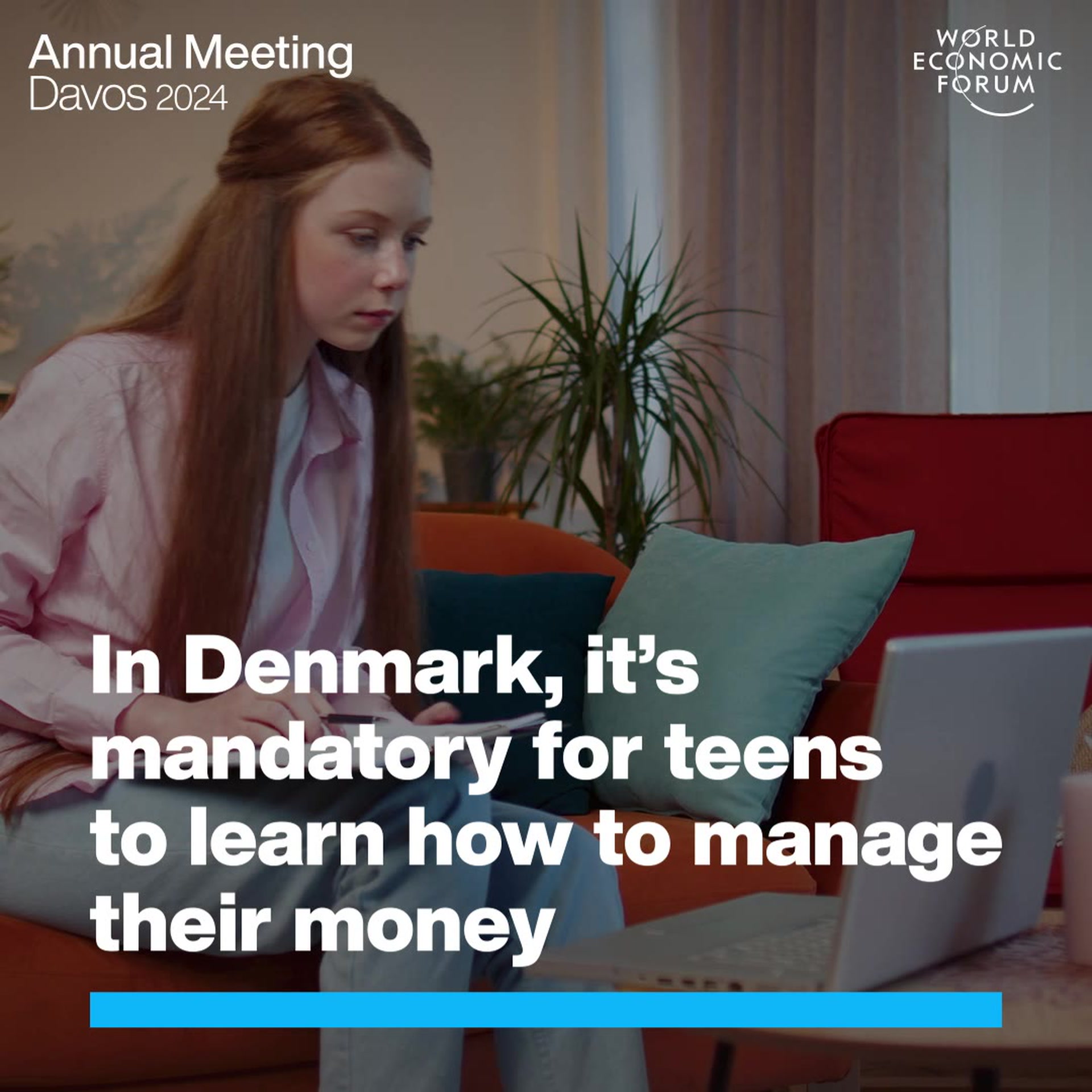
From ages 13 to 15, Danish pupils take lessons in financial literacy, including how to budget and save, how banks and bank loans operate and how they can exercise their rights as consumers.


