

Why the women’s health gap exists – and how to close it – according to experts at Davos
Experts at Davos discussed the existing women's health gap and shared strategies to close it. Here are some of their key quotes.


Cameroon starts malaria vaccine programme, and other health stories you need to know this week
Top health news: Measles cases jump in Europe; World's first routine malaria vaccine programme starts; WHO calls for funding to help in humanitarian crises.


What's the state of health and healthcare? Here's what was discussed in Davos
From closing the gender gap to how AI can improve health outcomes, here's what we learned about the global state of health and healthcare at Davos 2024.


Why drug resistance is becoming one of our biggest global health security blind-spots
The growth of bacteria that show drug resistance means outbreaks of previously treatable infections are becoming a major global health security problem.


Black women in the US experience more pregnancy complications. Here's why that needs to change
Studying Black women’s perceptions and experiences of pregnancy risk closely underscores both individual and systemic dimensions of the ongoing crisis.


Lessons from Rwanda: Building systems to protect against infectious diseases and biothreats
Building resilient and sustainable disease intelligence systems is critical post-pandemic. Here we outline the strides Rwanda has made in this regard.


Why trust in science and healthcare delivery is critical and how to get it
Nancy Brown of the American Heart Association on trust in science and healthcare and the danger of misinformation in improving patient outcomes.


Which health areas are impacted by climate change and where is more guidance needed?
New research by the World Economic Forum found that climate change impacts human health directly by causing/worsening health conditions or indirectly by affecting social/economic dimensions.


How zero health gaps will boost the economy – 100 companies agree
The Global Health Equity Network launched a Zero Health Gaps Pledge during Davos, Switzerland in January 2023, with initial commitments from 39 partners.


Unlocking the power of Indigenous knowledge to improve health, wellness and access to care
Embedding cultural humility and centring Indigenous knowledge will increase trust in health systems and improve health outcomes for Indigenous Peoples.


Nature and health crises are interconnected – this is how we can tackle them together
The three "i's" – investment, innovation and insurance – are crucial to solving the interconnected crises of nature loss and human health and longevity.
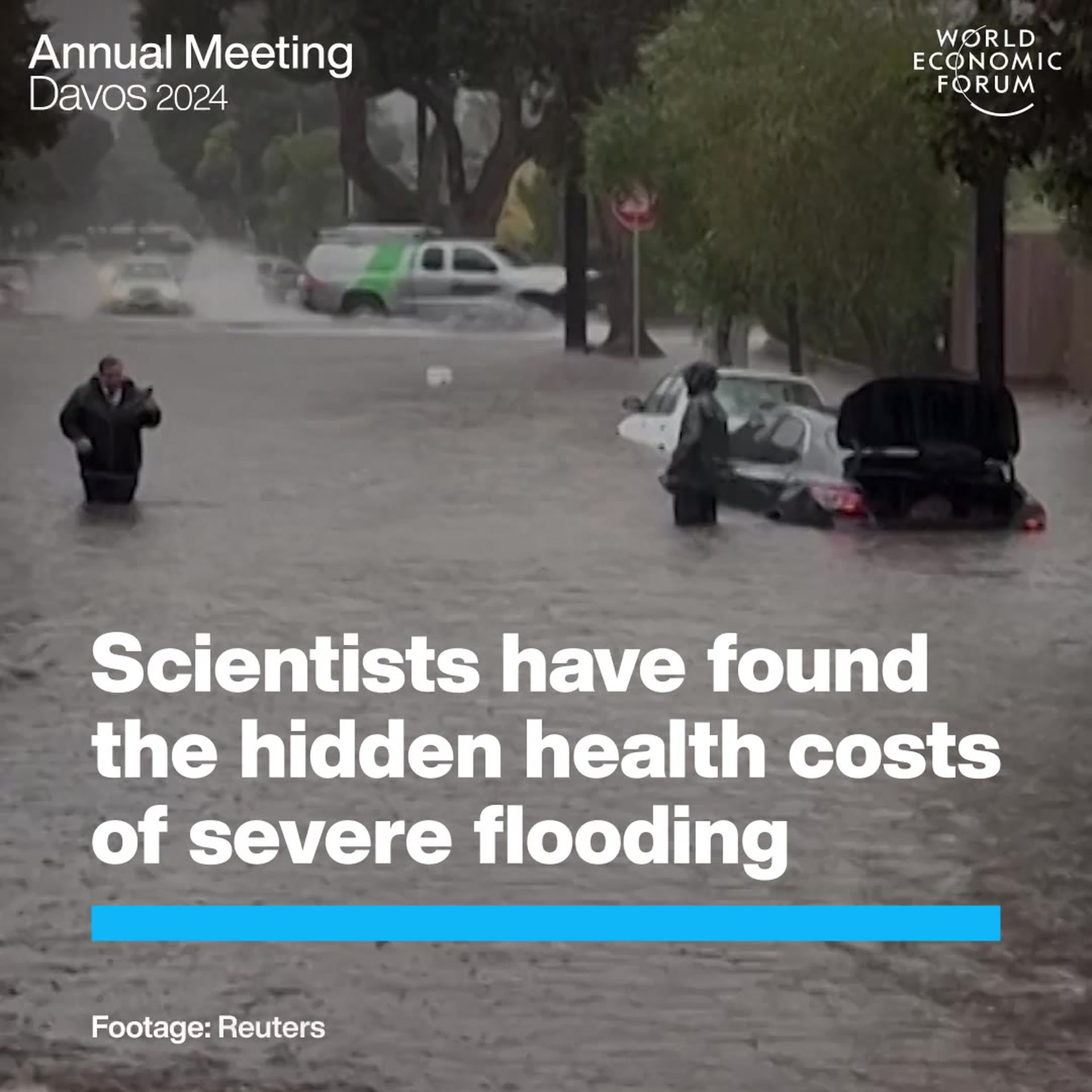
Scientists have found the hidden health costs of severe flooding
The cost of flooding is often measured in economic terms, in tragic accidental deaths and in the risk of waterborne diseases. But most non-communicable diseases are also impacted by flood...