

World Mental Health Day is a chance to listen to those with the condition – the biggest experts of all
People with lived experience of mental ill health can be the driving force behind ending stigma and discrimination.


Particles from 3D printers may be bad for your health
3D printers are undoubtedly a technological leap forward. But toxic particles are being emitted and damaging indoor air quality and our respiratory systems.


These three doctors won the 2019 Nobel Medicine Prize. This is why
Three scientists have won the 2019 Nobel Medicine Prize for their work looking at cells' response to oxygen levels. Medicine is the first of the Nobel Prizes given each year and notable ...


Severe air pollution could speed up the degeneration of your child’s brain
Research shows children living in polluted cities have increased risk of Alzheimer's and cognitive decline.


Children are developing deadly lung diseases because of the Amazon fires
The number of children treated for breathing problems in Brazil's "arc of deforestation" in May and June was double the monthly average for the past 10 years, a result of the deadly Amazo...


As India bans e-cigarettes, here's a look at vaping around the world
Many experts say e-cigarettes can be key to helping smokers quit. But, as India becomes the latest place to outlaw them, focus on their safety is increasing. Here’s what you need to know.
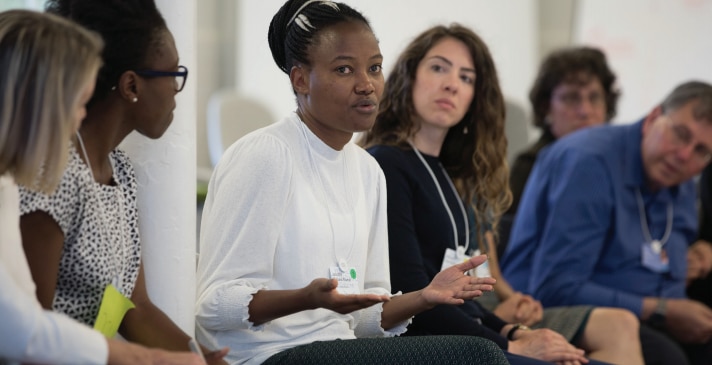

Leapfrogging with Genomic Data: Workshop Report
This workstream aims to address this issue by developing and testing elements of genomic data policies and a corresponding ethical framework from a “future of healthcare” and patient-c...


Why transparency in drug pricing is more complicated than it seems
The call for transparency in drug pricing, research and development and clinical trials sounds sensible and obvious. Shedding light promises good governance and better understanding, afte...


Universal Health Coverage is possible. We just need to focus on outcomes
It’s time to accelerate the shift to value-based care, and leverage private resources to build partnerships for better healthcare capacity that can benefit all - rich and poor.


Half of the world’s population lack access to essential health services – are we doing enough?
By collaborating across sectors, drawing on our complementary skills, expertise and reach, our impact is magnified beyond the sum of its parts


Our health systems are under pressure. Here are 9 ways to remedy that
Better national funding, more thorough education about lifestyle choices and redesigned healthcare that puts people at its centre are what we need to ensure no one is left behind.


7 ways the private sector can contribute to universal health coverage
Health expenditures are rising – but government funding has stalled, and personal spending is filling the gap. Here's how the private sector can help.