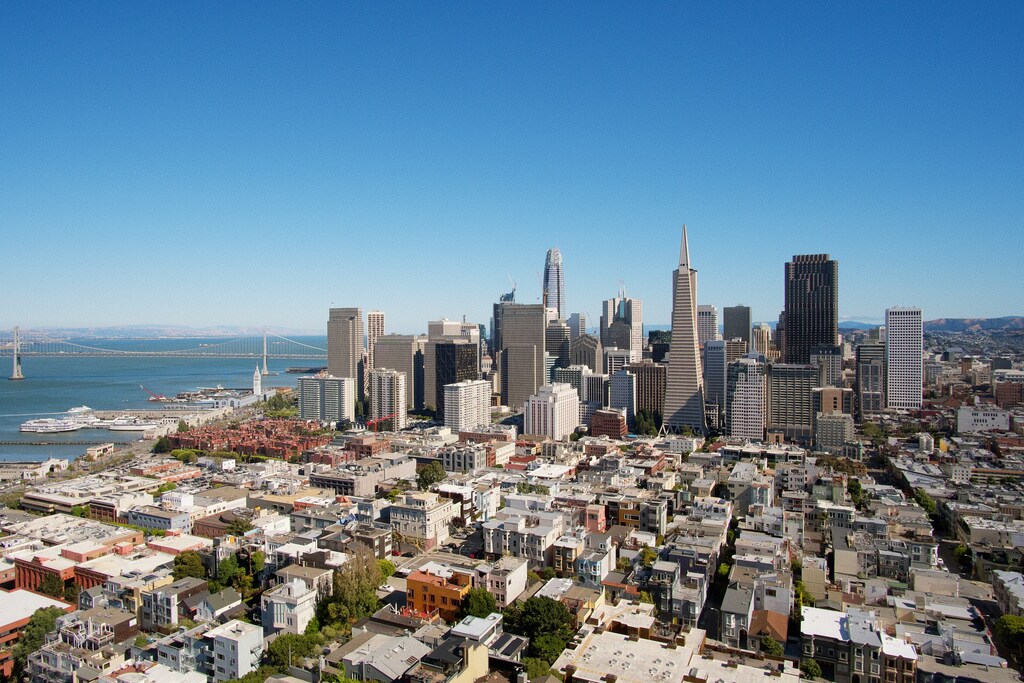
Cities are home to a growing majority of the world’s population, generate most of the world’s emissions and economic output, and are central to addressing global challenges.
Yes/Cities, created by the World Economic Forum – after a successful pilot in San Francisco in collaboration with Citi, Deloitte, Salesforce, the San Francisco Chamber of Commerce, and more than 20 organizations – is a global initiative that mobilises investment to unlock local innovation ecosystems and economic opportunity.
The initiative brings together city leaders, industry, collaborators, investors and community stakeholders to accelerate solutions that strengthen local economies and help cities transition to a more resilient and prosperous future.
Building on the momentum of Yes/San Francisco, Yes/Cities looks to expand to support more than 1,000 innovators across 50 cities by 2030.
Innovation and collaboration for a sustainable future for San Francisco
Cities generate approximately 70% of global carbon emissions, giving them significant responsibility and potential to model scalable climate solutions. One city taking up this challenge is San Francisco, which has published its ambitious San Francisco Climate Action Plan to reach net-zero emissions by 2040.
The city has been working with purpose-driven start-ups to revitalize the downtown area. But these ventures couldn’t scale alone – they needed investors, experts, collaborators and government buy-in to accelerate deployment of innovative pilots and help establish commercial viability.
To support this vision, a coalition of over 50 organizations launched Yes/San Francisco (Yes/SF) in 2023 – an initiative designed to drive investment into the local economy by helping impactful innovations deploy and scale in the city.
We were really thinking about ways in which we could align our technology, our business, and our non-profit expertise and bring it to support practical solutions.
Alison Hagan, Managing Principal, Deloitte San Francisco
To date, Yes/SF innovation challenges have surfaced more than two dozen early-stage ventures, the San Francisco Chamber of Commerce’s Yes SF Sustainable Innovators Network has launched with expanded support for innovators at diverse stages, and a physical community and coworking space in the heart of downtown San Francisco, the Yes/SF Headquarters (Yes/SF HQ), has opened with regular programming.
Sustainable start-ups are breathing new life into San Francisco, from sustainable buildings and energy storage to water conservation, compostable packaging and curbside electric vehicle charging companies such as It’s Electric and Chargewheel.
The Yes/SF HQ hosted over 150 events in its first year, facilitating networking, delivering tailored workshops and expanding community access to programming on the sustainable economy, civic engagement, and workforce development.
Yes/SF is a proven testbed for addressing major urban challenges: from declining downtown vitality to updating urban infrastructure. San Francisco is just the start of this compelling blueprint to improve economic opportunity through growing innovation ecosystems.
Just by talking to different founders, you would understand how they are thinking about the industry, what they are thinking about the future and how they're thinking about expanding their companies. We can work together and discuss these ideas that would sort of enable us to solve these problems much, much faster instead of just working alone.
Huzaifa Muhammad, CEO and Co-Founder of Chargewheel
What's really exciting about the partnership has been us coming together in the physical space in the Yes/SF headquarters. It's been in the meetings where we share information and ideas, and even just connecting with our networks to help support young innovators wanting to make a difference in this world in which we live.
Erica Fensom, VP Corporate Affairs, Docusign

The challenge: Managing growth and rapid change
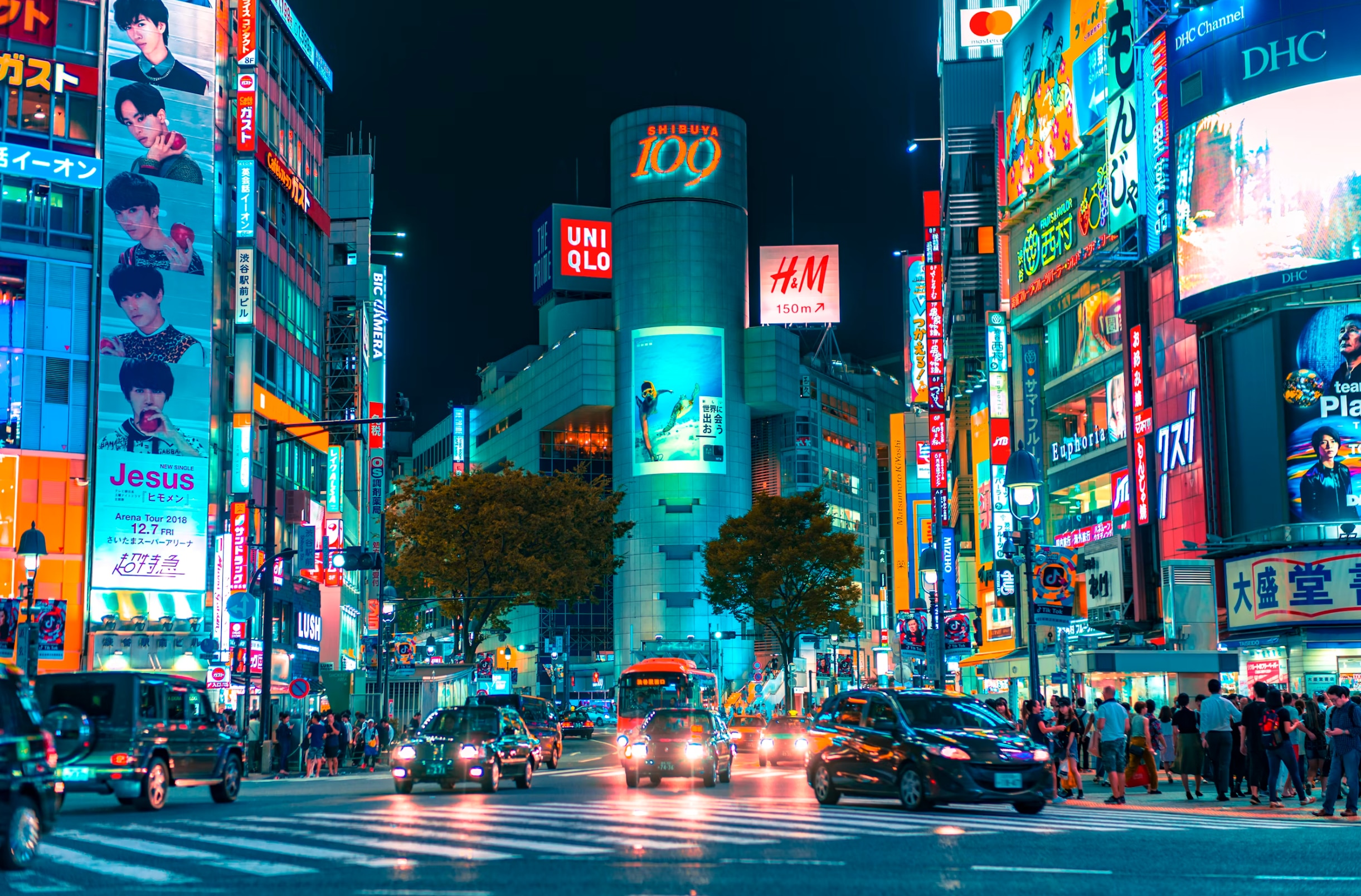
From sprawling capitals to cities of tomorrow, urban areas now host a growing majority of the world's population and generate more than 80% of global gross domestic product. To support this change, it’s important that governments work with local companies to shape cities into places where people love to live and work.
Cities are also pivotal to meeting sustainability targets. While some are advancing innovation that cuts emissions, improves air quality and increases public transit accessibility, many still struggle with various issues such as pollution, heat exposure and limited green spaces.
What’s more, the rapid rise of artificial intelligence is driving growth in data centre infrastructure, reshaping urban landscapes and stressing energy systems worldwide. As cities and regions compete to attract AI investment, they face urgent challenges: soaring energy use, significant space requirements and uneven local impacts.
Yes/Cities: Reimagining urban life for people and planet
The impact achieved in San Francisco is generating momentum worldwide.
In January 2025, the World Economic Forum announced the establishment of Yes/Cities: a global initiative to reimagine and transform urban life through groundbreaking innovations. Yes/Cities aims to scale more than 1,000 breakthrough solutions across 50 cities by 2030.
This ecosystem approach is essential to accelerating innovation that expands economic opportunity, strengthens resilience and improves quality of life in cities. Many of the solutions needed to build more sustainable communities already exist, yet progress in scaling them remains slow. Delivering impact at the pace cities require will demand an estimated $2 trillion in annual investment by 2030, alongside stronger mechanisms to connect innovation with capital.
This gap represents a major opportunity: innovation drives economic growth, job creation, and resilience, and – when supported by strong coalitions – can help to unlock new markets and long-term competitiveness.
What we've been pleasantly surprised about with Yes/SF is how very quickly it became a movement. And I don't use that word lightly. It ultimately took on a life of its own that we led with a compelling vision.
Jeff Merritt, Head of the Centre for Urban Transformation, World Economic Forum
Building on strong engagement around Yes/SF, the Forum together with civic, government, and collaborators launched Yes/Bengaluru in November 2025, followed by Yes/Boston in February 2026.
Bengaluru is one of India’s top five largest cities with more than 10 million people, including over 1 million technology professionals and thousands of tech start-ups. The city’s rapid growth has meant it has experienced increasing pressure on its resources and infrastructure while facing environmental risks.

Boston is recognized for its leadership in healthcare, biotechnology, and academic excellence. With nearly 1,000 biotech firms, world-class hospitals, and a growing movement toward regenerative and local food systems, the region offers an unparalleled foundation for building a healthier, more sustainable future.
Some of the companies and organizations involved in sourcing and scaling solutions through the Yes/Cities programme include: Anthill Ventures, AWS, AWS India, Cisco India, Citi, the City of San Francisco, Deloitte, the Government of Karnataka, the Greater Bengaluru Authority, MassChallenge, Salesforce and the San Francisco Chamber of Commerce.
Businesses and governments across major cities in Europe and Asia and Latin America are now exploring ways to adopt this model.
If you want a programme that is grounded in making your city successful and prosperous and ready for the future, you should be adopting a similar model in your own city because this is how you bring everyone from all these different sectors and spaces together to work in the same direction.
Tyrone Jue, Director of the San Francisco Environment Department
Get involved
The Forum’s Centre for Urban Transformation is at the forefront of advancing public-private collaboration in cities. It enables more resilient and future-ready communities and local economies through green initiatives and the ethical use of data.
The Centre is interested in working in partnership with global cities where companies, residents and organizations are collaborating to build a more robust economy.