
Energy Transition
Why the Baltic Sea moved to the centre of Europe's energy map
As Europe’s energy landscape evolves new hotspots of resilience and growth emerge, including the Baltic Sea. That region's importance is only set to grow.

ORLEN Group is a leading multi-energy group in Central and Eastern Europe, playing a key role in strengthening the region’s energy security and driving its energy transition. With operations spanning upstream and supply, downstream, energy, and consumer products and services, ORLEN combines conventional assets with rapidly expanding low- and zero-emission businesses. The Group operates seven refineries and serves customers across Central Europe through a retail network of approximately 3,500 points of sale.
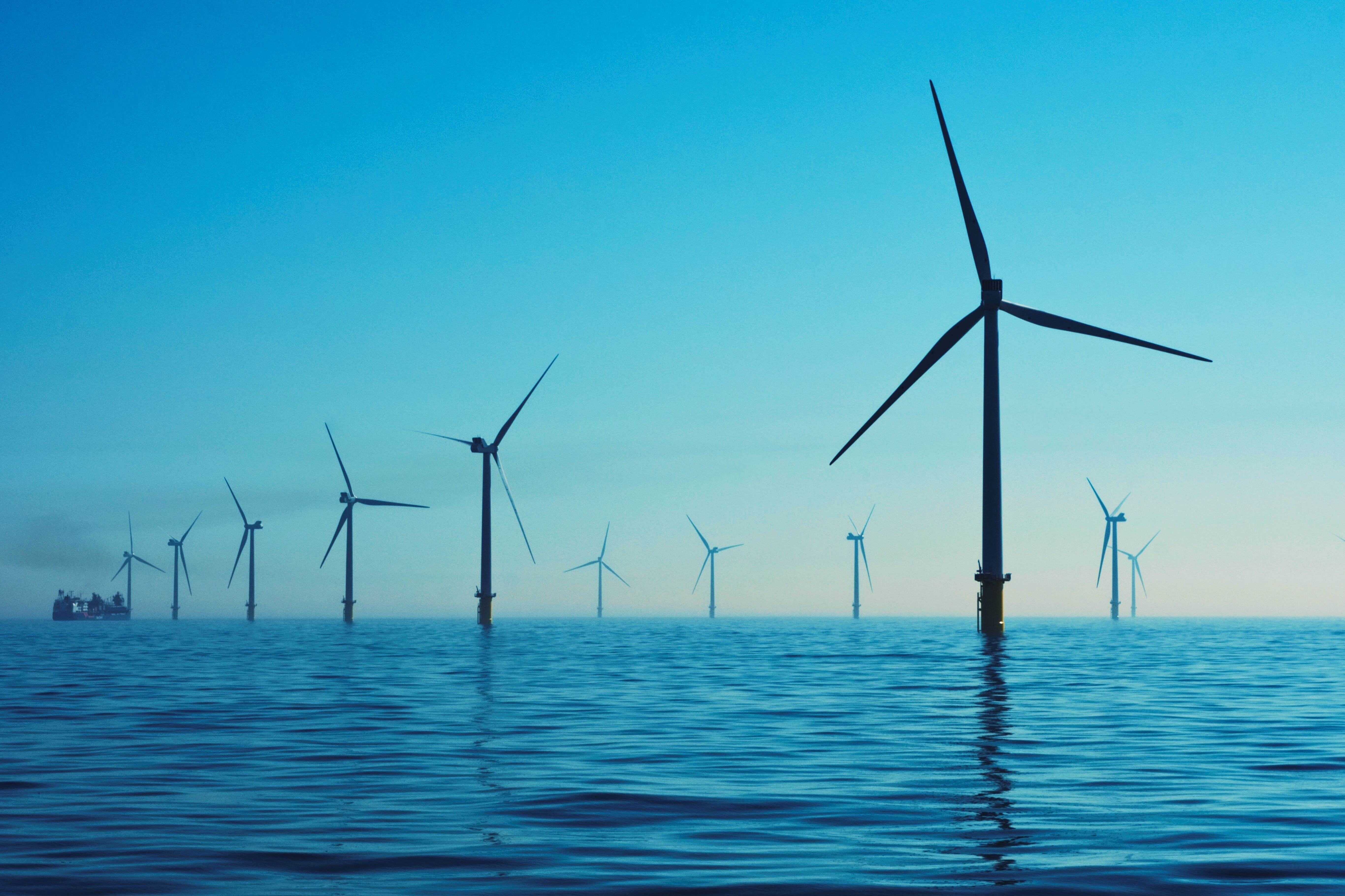
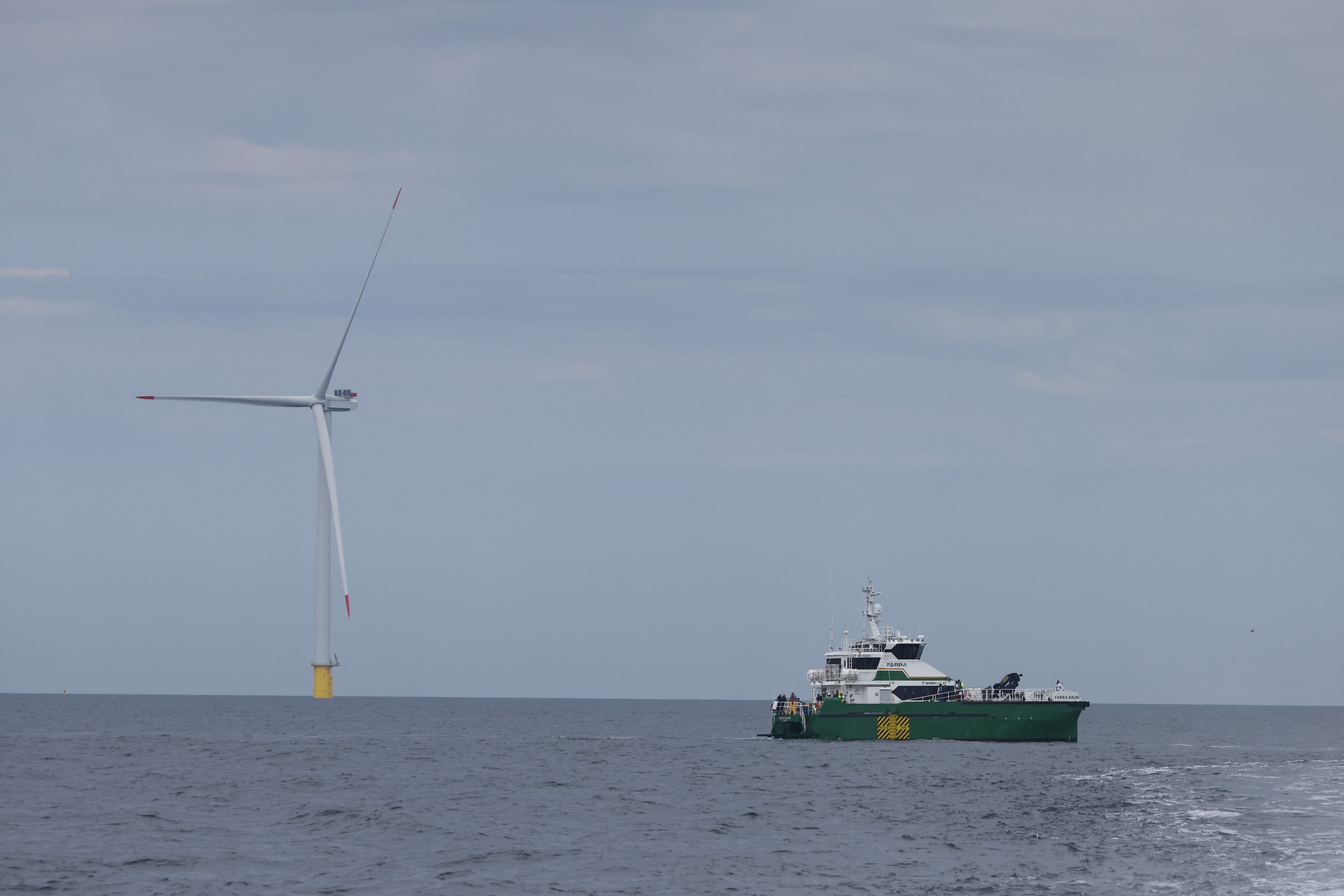
The Baltic Sea is becoming an increasingly important strategic area for ORLEN and the wider Central and Eastern European energy market. It connects several of the Group’s key transformation priorities, including offshore wind, LNG and BioLNG, hydrogen, CO₂ transport and storage, and the protection of critical energy infrastructure. ORLEN’s Strategy 2035 envisages completing Baltic Power and further developing offshore wind, including four offshore concessions and preparation of additional projects in Poland and abroad. The strategy also foresees development of a 4–5 GW offshore wind portfolio in Poland and abroad, with planned deployment in 2030–2040.
The Baltic dimension extends beyond renewable power generation. ORLEN plans to develop a CO₂ capture, transport and storage value chain, including Poland’s first CO₂ export terminal in Gdańsk, while supporting regulatory changes enabling CCUS development across the Baltic Sea region. The Group is also considering maritime imports of renewable and low-emission hydrogen and its derivatives as part of its future supply portfolio.
This regional role has been reinforced through the Baltic Energy Initiative, launched by ORLEN together with 13 companies and energy organisations from Northern and Central Europe. The initiative brings together partners from Poland, Finland, Sweden, Denmark, Germany, Lithuania, Latvia, Estonia and Norway to develop projects in offshore wind, LNG and BioLNG, hydrogen, CCS, nuclear energy and SMRs. It also covers the protection of critical infrastructure, cybersecurity and resilience to physical and hybrid threats. The cooperation is intended to strengthen the energy security and competitiveness of the Baltic Sea region and give the region a stronger voice in dialogue with European institutions.
Under its Strategy 2035, ORLEN aims to become a leader of the energy transition in Central Europe while pursuing a pragmatic transition that combines security of supply, decarbonisation and financial discipline. By 2035, the Group targets 12.8 GW of renewable capacity, supported by energy storage, as well as 0.6 GW of SMR capacity and 4.3 GW of CCGT capacity. It also aims to supply the Polish economy with up to 27 bcm of natural gas, increase the share of renewable energy in its transport fuel mix to above 25%, and develop approximately 6,000 ultra-fast EV charging points in Poland.
ORLEN’s decarbonisation targets include reducing absolute Scope 1 and 2 emissions from Upstream & Supply and Downstream by 25% by 2035 compared with 2019, cutting the emission intensity of the Energy segment by 55%, and reducing Net Carbon Intensity by 15%. The Group plans to end coal-based electricity generation by the end of 2030 and completely phase out coal-based generation in its heating assets by the end of 2035. Its long-term ambition is Net Zero across Scopes 1, 2 and 3 by 2050, in line with the Paris Agreement.
Through these investments, ORLEN intends to build an integrated energy ecosystem capable of supporting both energy security and decarbonisation across Central Europe. Partnerships are central to this approach, providing access to new technologies and markets while sharing investment risk. The Baltic Sea therefore serves not only as a location for major ORLEN projects, but as an increasingly important platform for cross-border cooperation and the transformation of the wider CEE energy system.

As Europe’s energy landscape evolves new hotspots of resilience and growth emerge, including the Baltic Sea. That region's importance is only set to grow.

A responsible strategy for energy transition in Central Eastern Europe must also take into account fossil fuel demand and energy security.