The financial system is rebooting. Stakeholders must adapt
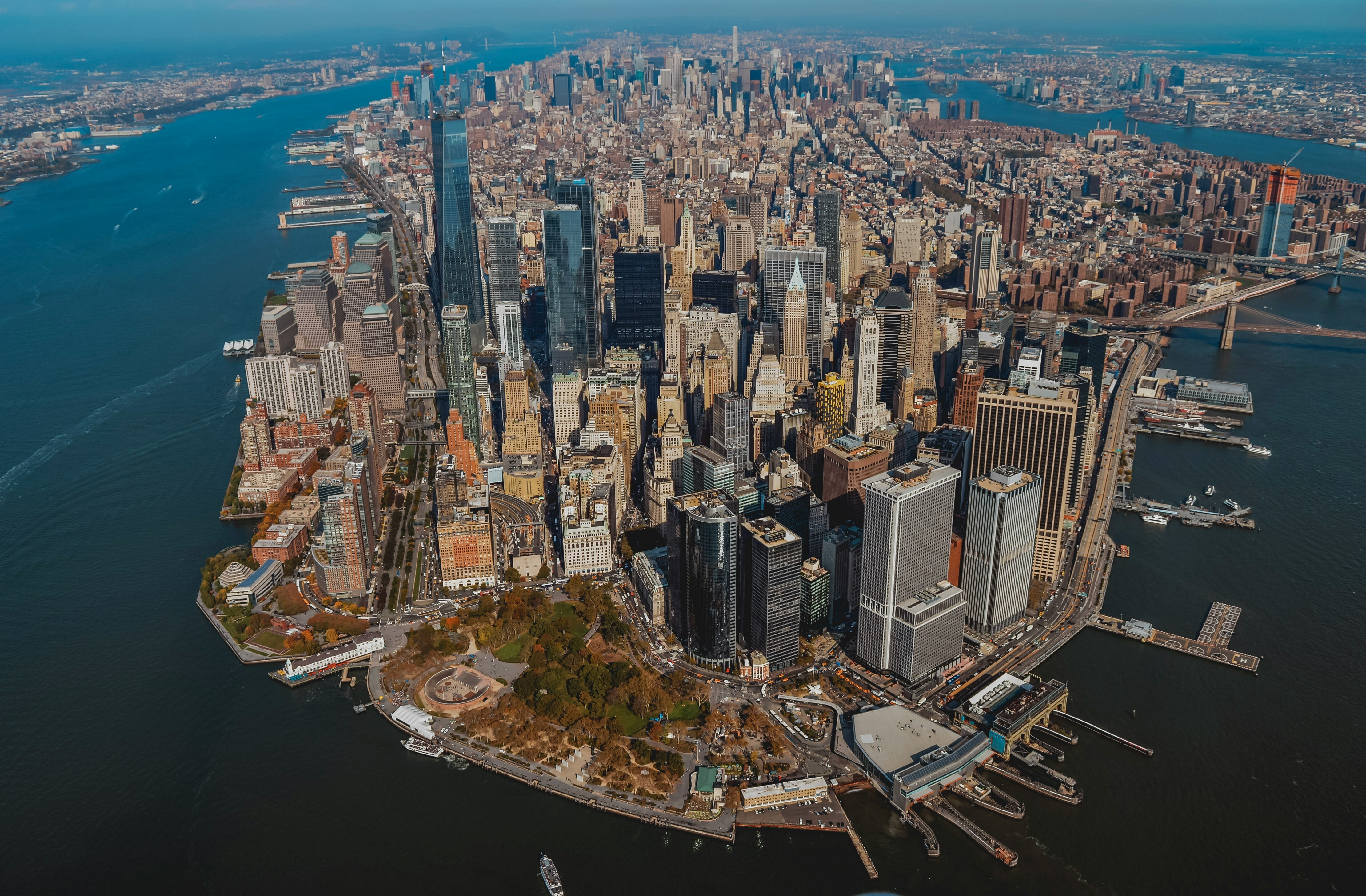
The post-Cold War architecture of financial globalization is undergoing its most profound transformation in decades, with geopolitical fragmentation being a central factor.
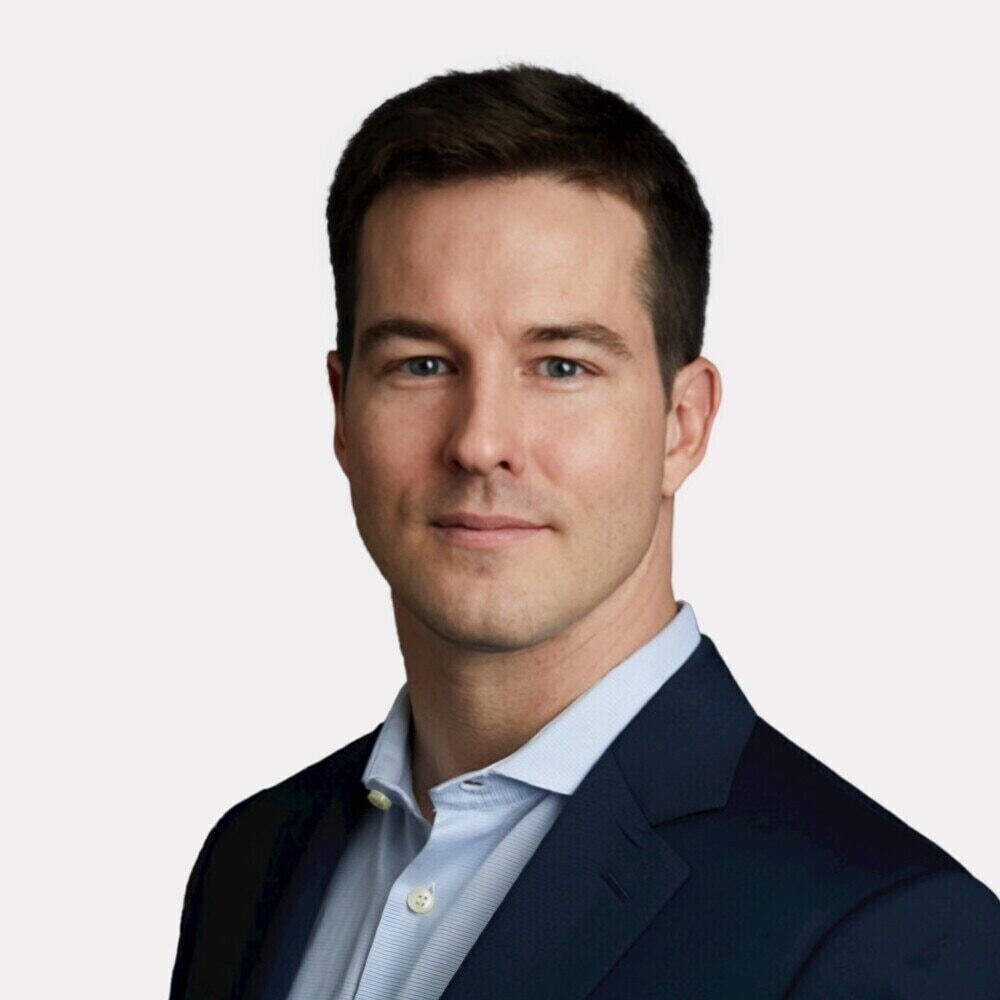
Matthew Blake heads the World Economic Forum’s Centre for Financial and Monetary Systems, which aims to build a more trusted, resilient, accessible, and sustainable international financial system by providing a platform for stakeholders to connect, identify shared needs, and collaborate on actionable solutions. He is a member of the Executive Committee of the World Economic Forum.
In addition to his Centre responsibilities, Matthew heads the World Economic Forum LLC, the Forum’s subsidiary in the United States.
Prior to joining the Forum, Matthew held various positions across the market risk and bank supervisory functions at the Federal Reserve Bank of New York, and served as an investment advisor to institutional and private clients at Oppenheimer & Co.
Matthew holds a master’s degree from the Harvard Kennedy School and a bachelor’s diploma from Boston College. He is a recipient of the Certified Investment Management Analyst distinction from the Wharton School of the University of Pennsylvania in conjunction with the Investments & Wealth Institute.
The post-Cold War architecture of financial globalization is undergoing its most profound transformation in decades, with geopolitical fragmentation being a central factor.
El reequilibrio del poder económico, la rápida transformación tecnológica y los cambios estructurales en los mercados públicos y privados están remodelando las finanzas globales.
経済的影響力の再均衡、急速な技術革新、市場における主要な構造変化のすべてが、グローバル金融を再形成しつつあります。米国金融優位の伝統的モデルは、新たな金融構造やデジタル技術のイノベーションによって増大を続ける課題に直面しています。
The G7's financial moves risk fragmentation of global finance as BRICS seeks alternatives. Clear red lines are needed to keep stability amid tensions.
Rebalancing of economic power, rapid technological transformation and major structural changes in public and private markets are reshaping global finance.
企业和政府往往在出现气候风险后才被动应对,为混乱付出沉重的代价。加强气候适应力的措施的效益成本比在2:1到15:1之间。但许多企业未能采取这些策略。中小型企业的适应成本高昂,且缺乏可靠的气候数据,因此难以进行有效的财务规划。为了更广泛地采用主动策略,有必要制定明确的法规和激励措施。
企業や政府は、気候リスクが顕在化してから対応するという消極的な対応に終始しており、コストのかかる混乱を招いています。気候レジリエンス対策の実施には、2:1 から 15:1 の利益対コスト比があることが証明されていますが、積極的な戦略の幅広い採用を促進するためには、明確な規制とインセンティブが必要です。
Business leaders need an urgent shift in mindset—from reactive to proactive—to contend with the rising risks. Here's what's needed now for climate adaptation.
A pesar de un preocupante telón de fondo de incertitumbres, los servicios financieros pueden contribuir a la cooperación mundial, actuando como fuerza de cohesión y no de fricción.
2024年は、世界の金融および通貨システムにとって極めて重要な年です。米国内外で、政治、経済、地政学にまたがる多くの不確実性が存在しますが、金融部門は重要な構造的課題に対して建設的な役割を果たし、システムの整合性とグローバルな協力を強化し、すべての人に利益をもたらすことができます。
Despite a troubling backdrop, financial services can help global cooperation on systemic issues, acting as a force for cohesion rather than friction.
Three strategies for building resilience in financial and monetary systems at Davos 2024: inclusivity, sustainable finance and catalyzing economic growth.
Optimists initially described the global inflationary surge as transitory. But higher prices may prove more intransigent and volatile than expected.
Retail investors need a responsible capital markets ecosystem, and the industry has an opportunity to address this need right now by providing support.
Several interrelated issues are shaping the future of the capital markets system, from the democratization of trading to the changing role of finance firms