
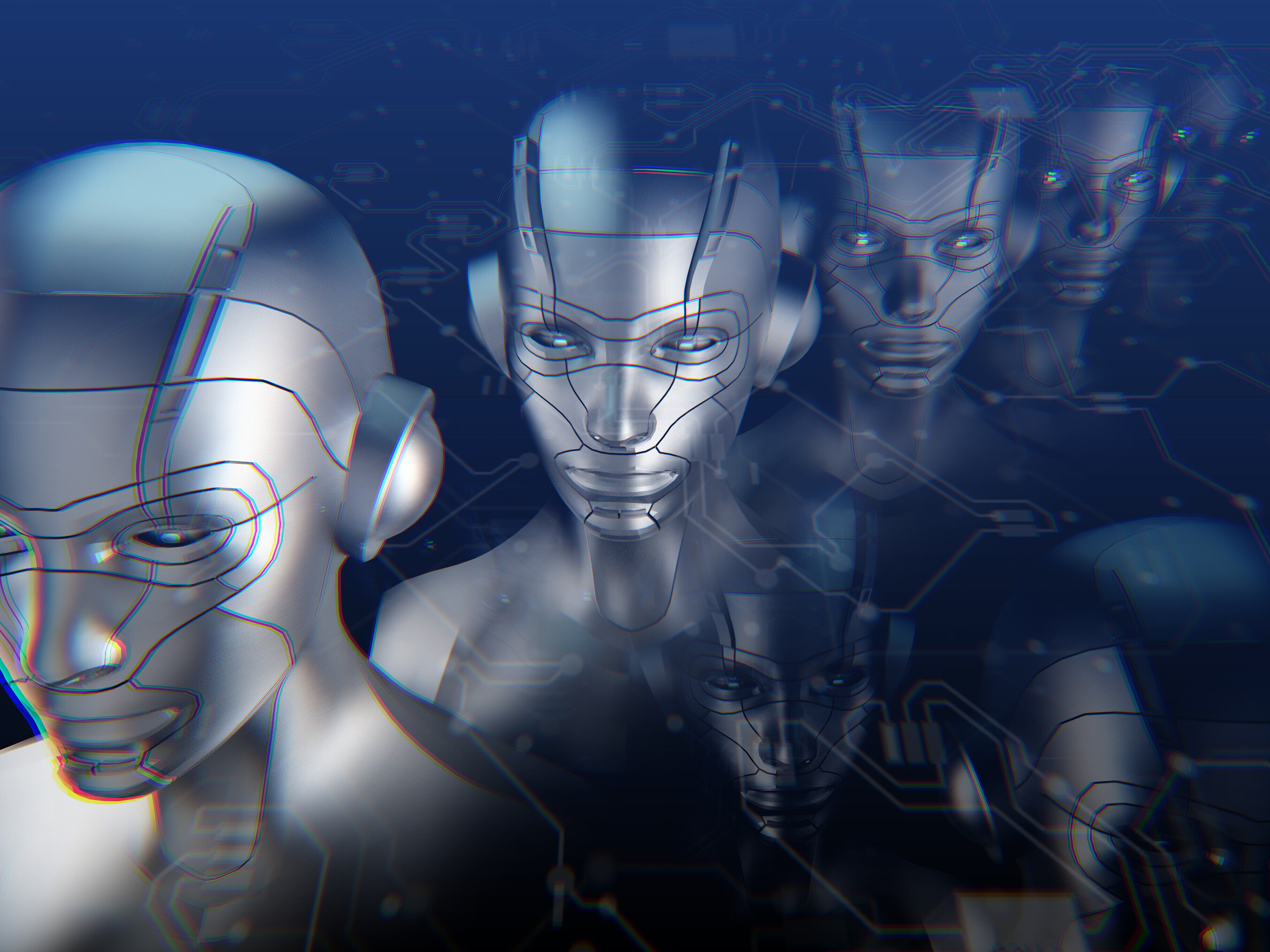

Emerging Technologies
当AI拥有身体:具身人工智能如何融入人类社会?
以ChatGPT为代表的大语言模型引起了全球的关注,它们可以撰写论文、总结研究,甚至编写代码。但是,如果人工智能驱动的机器人不仅仅是回复信息,而是以你认为自然和可接受的方式与你互动时,会发生什么呢?未来以机器人等物理形式出现的具身人工智能,使我们需要重新思考机器如何学习——或许它们不仅要从互联网学习,还要从人类身上学习。
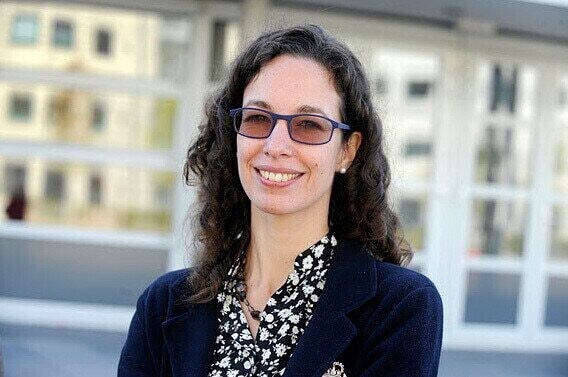
Research field Social Robotics and Artificial Intelligence.
Director General of the Dutch National Institute of Mathematics and Computer Science; Professor of Social and Physical AI, University of Twente; visiting professor Nanyang Technological University, Singapore; Member supervisory board, Radboud University, the Netherlands.
BSC computer science, MSc in Information Systems, University of Amsterdam; PhD, Open University, UK. Formerly: Institute of Management Information Studies, University of New South Wales, Sydney; with Boston Consulting Group, London; Assistant Professor, Institute of Informatics, University of Amsterdam; Visiting Professor, Stanford University.
以ChatGPT为代表的大语言模型引起了全球的关注,它们可以撰写论文、总结研究,甚至编写代码。但是,如果人工智能驱动的机器人不仅仅是回复信息,而是以你认为自然和可接受的方式与你互动时,会发生什么呢?未来以机器人等物理形式出现的具身人工智能,使我们需要重新思考机器如何学习——或许它们不仅要从互联网学习,还要从人类身上学习。
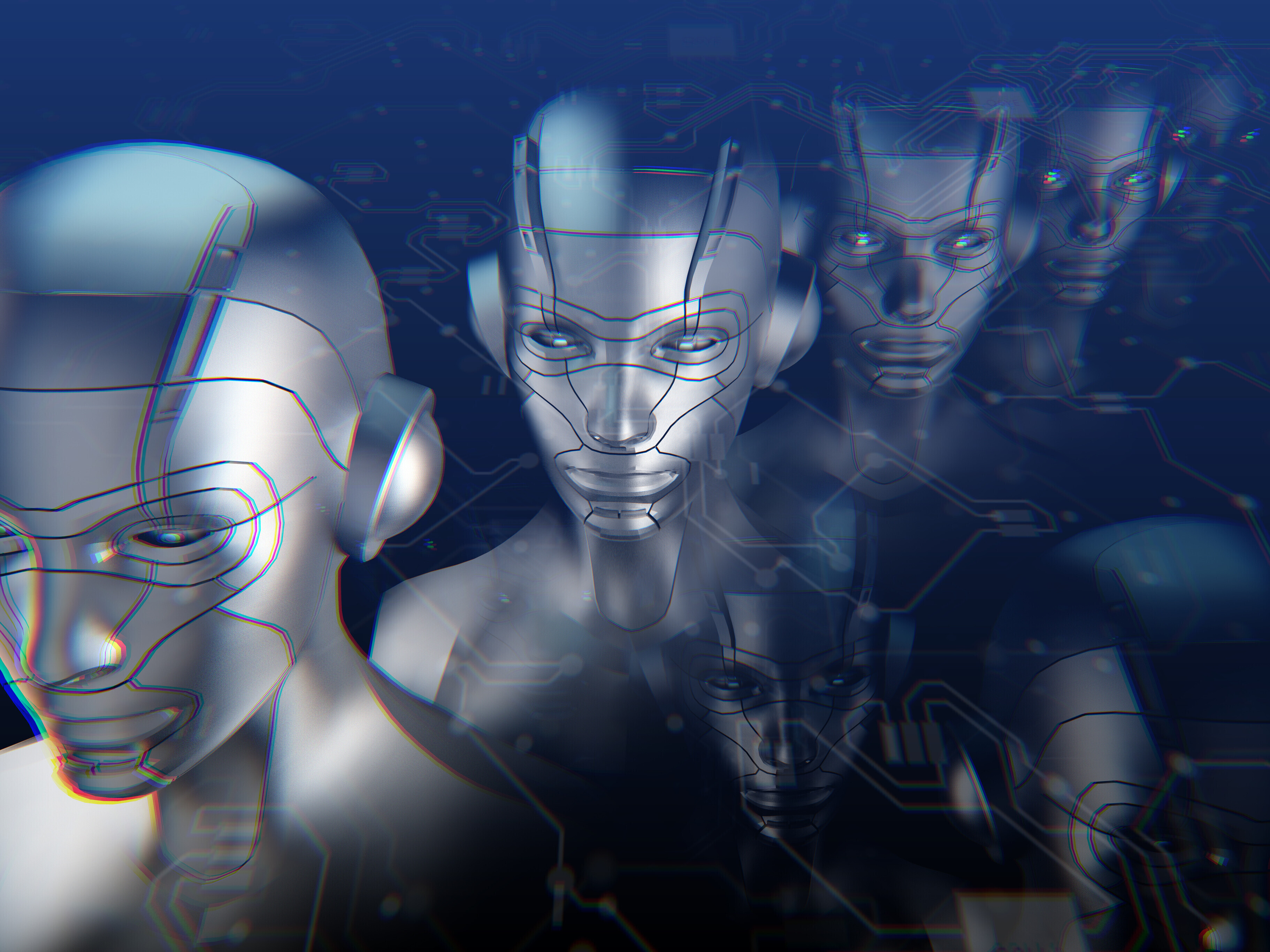
La 'corporeización' física de la IA en la forma de robots va más allá de aumentar la cantidad de datos; requiere replantearse cómo las máquinas pueden aprender de los humanos.
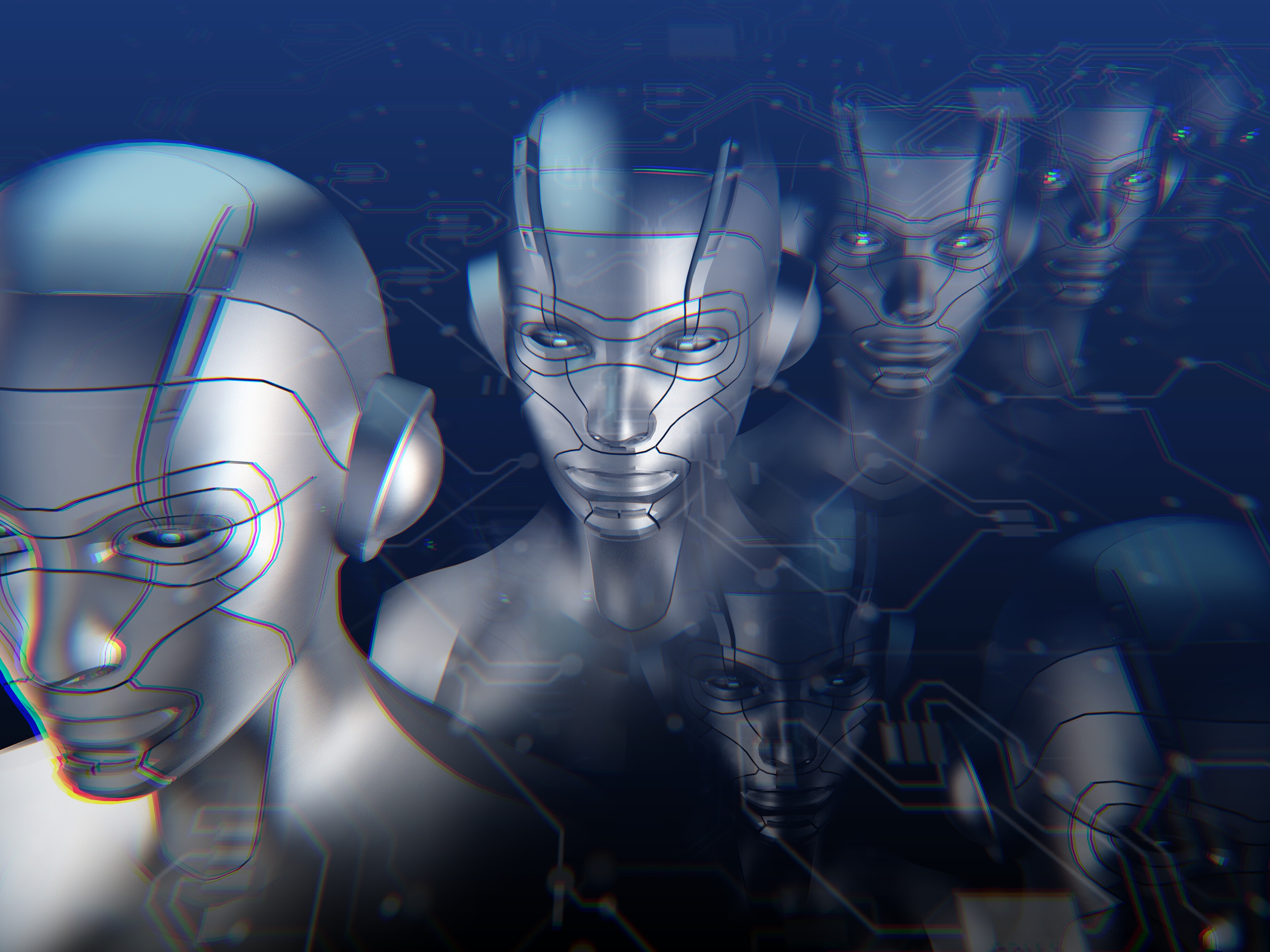
The future of 'embodied' AI in physical form such as robots is about more than scaling up data; it requires rethinking how machines can learn from humans.

