Four Futures for Jobs in the New Economy: AI and Talent in 2030


Four Futures for Jobs in the New Economy: AI and Talent in 2030 explores how AI advancement and talent trends, and their potential trajectories until 2030, could transform the future of jobs and the global economy. The paper consolidates views and insights from chief strategy officers and other experts around cross-cutting risks and opportunities, and “no-regret” strategies to help leaders understand critical uncertainties, stress-test assumptions and enhance foresight to navigate – and lead in – the new economy.
Four Futures for Jobs in the New Economy: AI and Talent in 2030 explores how AI advancement and talent trends, and their potential trajectories until 2030, could transform the future of jobs and the global economy. The paper consolidates views and insights from chief strategy officers and other experts around cross-cutting risks and opportunities, and “no-regret” strategies to help leaders understand critical uncertainties, stress-test assumptions and enhance foresight to navigate – and lead in – the new economy.
This report is the second output of the World Economic Forum’s Scenarios for the Global Economy Dialogue Series, which uses scenario analysis and cross-industry dialogue to help decision-makers navigate global economic developments and their implications for strategy, investment decisions and resilience. Throughout 2026, the dialogue series will continue to explore scenarios related to key economic topics, focusing on business-relevant challenges and uncertainties.
Further reading
All related content 
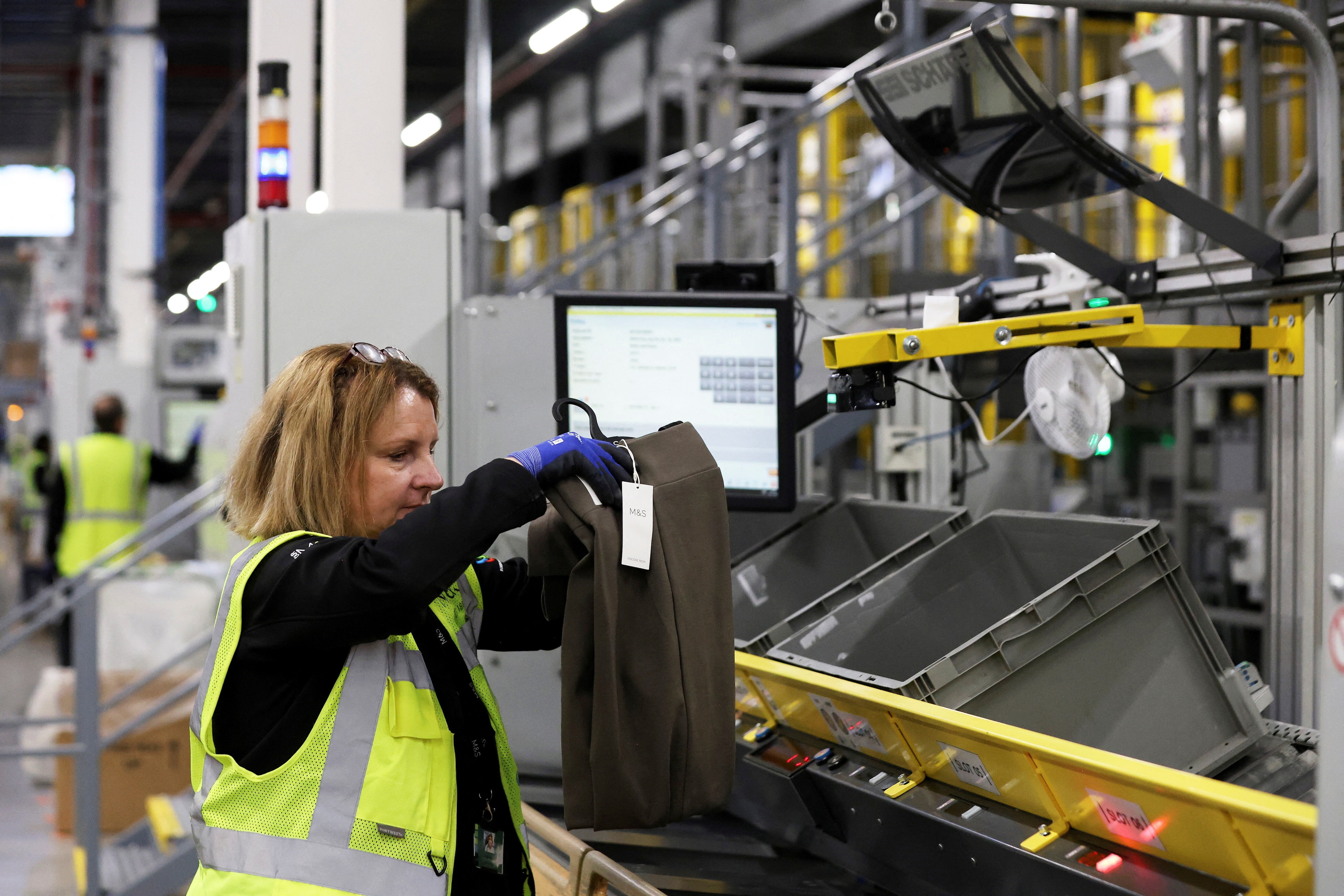

The future of jobs: 6 decision-makers on AI and talent strategies
We asked top executives about the AI and talent trends shaping the future of jobs in their industry over a period of the next five years.


Here are four ways AI and talent trends could reshape jobs by 2030
A new World Economic Forum report explores how AI advances and talent trends could shape the future of jobs, in four plausible scenarios for the coming years.