Why bringing young leaders together now matters more than ever
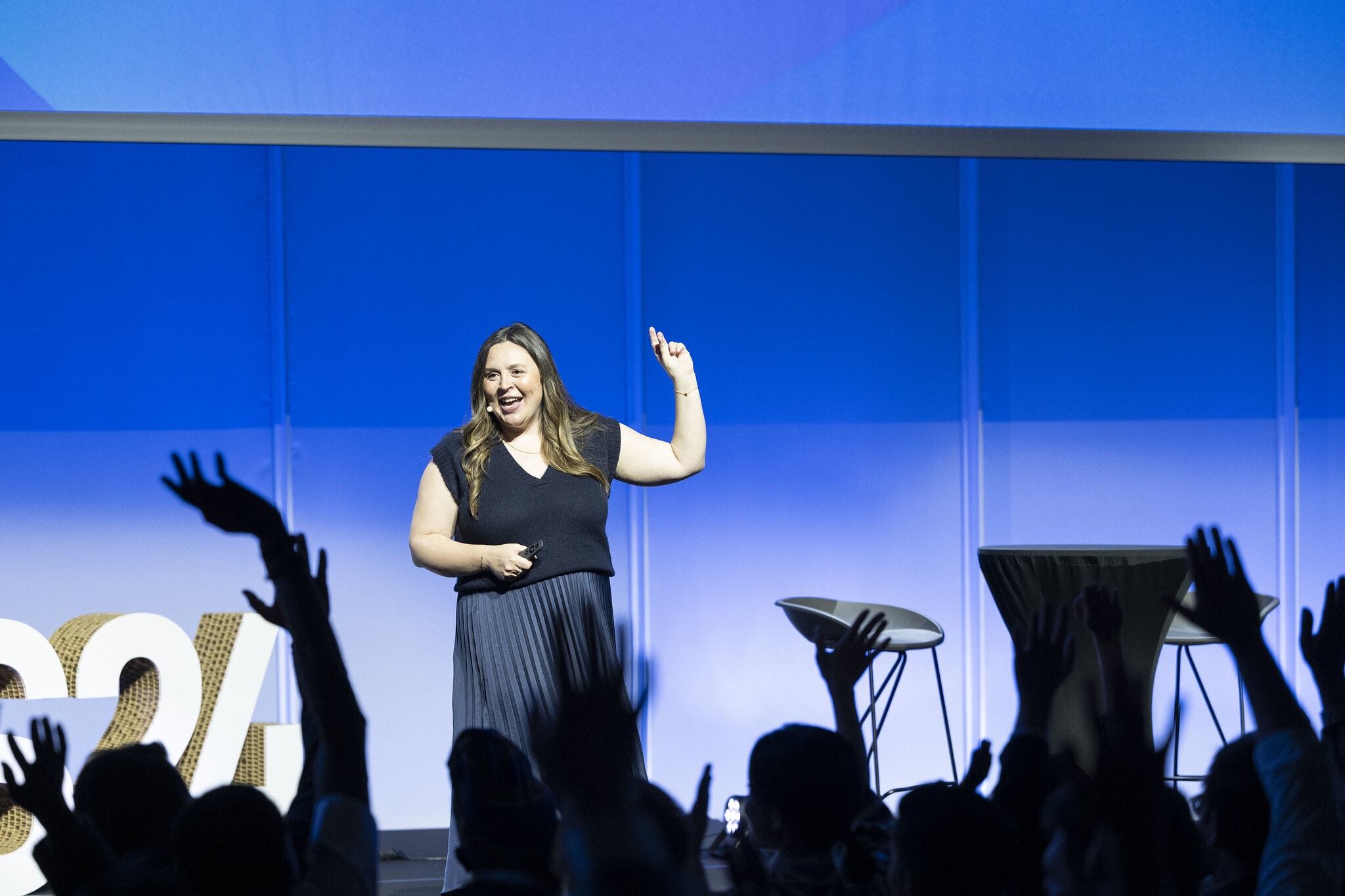
The Global Shapers community consists of young leaders determined to drive systemic change from the ground up. Image: World Economic Forum/Thibaut Bouvier
- Crises such as climate shocks, economic inequality and political polarization are increasingly defining and driving our world.
- The 2025 Global Shapers Annual Summit takes place in Geneva, Switzerland, from 9-11 July, under the theme Next Generation Now.
- The Global Shapers network of young leaders are meeting to unlock new ideas, build partnerships and ignite collective action for lasting impact.
In a world increasingly defined by crisis – climate shocks, economic inequality and political polarization – young people are not waiting for change. They are driving it.
This week, 500 young leaders from over 150 countries and territories are convening in Geneva, Switzerland, for the 2025 Global Shapers Annual Summit at the World Economic Forum’s headquarters. Global Shapers – young innovators and community leaders – are at the forefront of a new generation determined to drive systemic change from the ground up.
Under the theme Next Generation Now, the summit underscores a powerful reality: young people are not the leaders of tomorrow – they are leading today. With half of the global population under 30, their insights and actions are not only a matter of inclusion, they are a strategic imperative for building a more sustainable, equitable and innovative future.
Since its founding in 2011, the Global Shapers Community has launched more than 3,000 local initiatives, engaging over 15 million people worldwide. From erasing medical debt in the US to boosting climate resilience in Peshawar, Pakistan, and igniting urban transformation in Budaiya, Bahrain – all winners of the 2025 Innovation Prize – young changemakers are delivering real and lasting impact.
But this summit is more than a recognition of young people’s leadership. It’s a launchpad for collective action. Through immersive workshops and strategic dialogues, Global Shapers will deepen their skills, build powerful partnerships and accelerate solutions to today’s most urgent challenges. Here are four key themes driving this year’s agenda:
1. Leading together: collaborative leadership for today’s challenges
Young leaders know that today’s complex, fast-moving world demands a new style of leadership – one rooted in collaboration, empathy, trust and shared accountability. They are moving away from traditional top-down structures and adopting more inclusive, participatory approaches that value a range of perspectives and experiences.
Rather than rushing to impose solutions, they are focusing on creating environments where everyone feels seen, heard and empowered. At the Global Shapers Summit, participants are practicing how to build these inclusive environments through active listening, clear intention-setting and deep reflection.
Their call is bold and clear: true leadership today requires leading together – because collaboration is not a soft skill, it’s a necessity in an increasingly interconnected world.
Sign up to the Next Generation Now: Leading with Purpose and Courage event on LinkedIn.
2. Redesigning work: creating inclusive and resilient economies
As artificial intelligence (AI) and automation transform the future of work, young leaders are reimagining economic systems with equity and inclusion at their core. Persistent barriers – based on race, gender, identity and geography – continue to limit opportunities for millions.
Meanwhile, young people remain disproportionately impacted by global crises. From global pandemics, climate disruptions and geopolitical instability, youth unemployment rates remain stubbornly high, and many young workers face informal, precarious or low-quality jobs. These systemic challenges demand bold, future-focused solutions.
Global Shapers are answering the call. Drawing on insights from the World Economic Forum’s Future of Jobs, Global Gender Gap and Future of Inclusion initiatives, they are building practical strategies to close opportunity gaps – upskilling communities, supporting diverse entrepreneurs, and shaping inclusive economic policies.
Their message is urgent: build economies where everyone – not just a few – can thrive. A resilient future depends on the success of young people today.
Sign up to the Next Generation Now: Youth Economy and Skills for Tomorrow event on LinkedIn.
3. Innovating boldly: designing human-centred solutions
Youth-led innovation is reshaping the world – not by tweaking what exists, but by rebuilding systems for people and planet. Global Shapers are pioneering solutions that are bold, inclusive and locally grounded. Whether they’re reimagining government through GovTech, designing digital health platforms or delivering community-based climate tools, young innovators are proving that transformation begins with creativity and courage.
At the summit, Global Shapers are sharing tools for scaling grassroots innovation, prototyping new approaches and leveraging global partnerships. Their approach goes beyond disruption – it’s about designing systems that are more equitable, human and responsive. Their challenge to the world: invest in youth-led innovation as a force for change.
Sign up to the Next Generation Now: Revolutionizing Social Innovation event on Linkedin.
4. Uniting generations: driving collective climate action
Climate change is not just an environmental crisis – it is a defining generational challenge. And 2025 marks a critical turning point. As countries prepare for COP30 in Brazil, they must respond to the first Global Stocktake under the Paris Agreement – an official review of climate progress.
This is a moment to raise ambition, embed justice, and correct course. Global Shapers are stepping up with urgency and vision. From co-authoring a Youth Climate Manifesto to advancing just transition policies, young leaders are shaping climate strategies that put people and equity first.
Through collaborations with the Global Plastic Action Partnership, Alliance for Clean Air and the Equitable Transition Initiative, they are embedding youth perspectives in climate governance – from local organizing to global policy design.
Their call is clear: unite generations and sectors for urgent, lasting climate action and recognize young people not just as advocates, but as architects of a more just, resilient future.
Sign up to the Next Generation Now: Igniting Intergenerational Climate Leadership event on LinkedIn.
A strategic platform for collective impact
The 2025 Global Shapers Annual Summit is more than a gathering – it is a strategic platform where the next generation is shaping the future now. As these young leaders share insights, spark ideas, and build alliances, they’re not only shaping their own future – they’re reshaping our shared world.
At the World Economic Forum, we are committed to ensuring young people’s leadership is not symbolic – it is structurally integrated. From embedding 50 Global Shapers at our Annual Meeting in Davos each year, to involving young people across the Forum’s centres and impact initiatives, we are building pathways for next-generation leaders to shape systems.
By amplifying the ideas and solutions of young people, the World Economic Forum is not only keeping pace with a changing world – we’re helping shape it. Global Shapers are implementing community solutions, while the Forum is convening systems leaders. Together, we are turning insight into action, and purpose into progress.
Don't miss any update on this topic
Create a free account and access your personalized content collection with our latest publications and analyses.
License and Republishing
World Economic Forum articles may be republished in accordance with the Creative Commons Attribution-NonCommercial-NoDerivatives 4.0 International Public License, and in accordance with our Terms of Use.
The views expressed in this article are those of the author alone and not the World Economic Forum.
Stay up to date:
Youth Perspectives


Forum Stories newsletter
Bringing you weekly curated insights and analysis on the global issues that matter.


