3 simple, low‑cost ways to ease South Asia’s water shortage
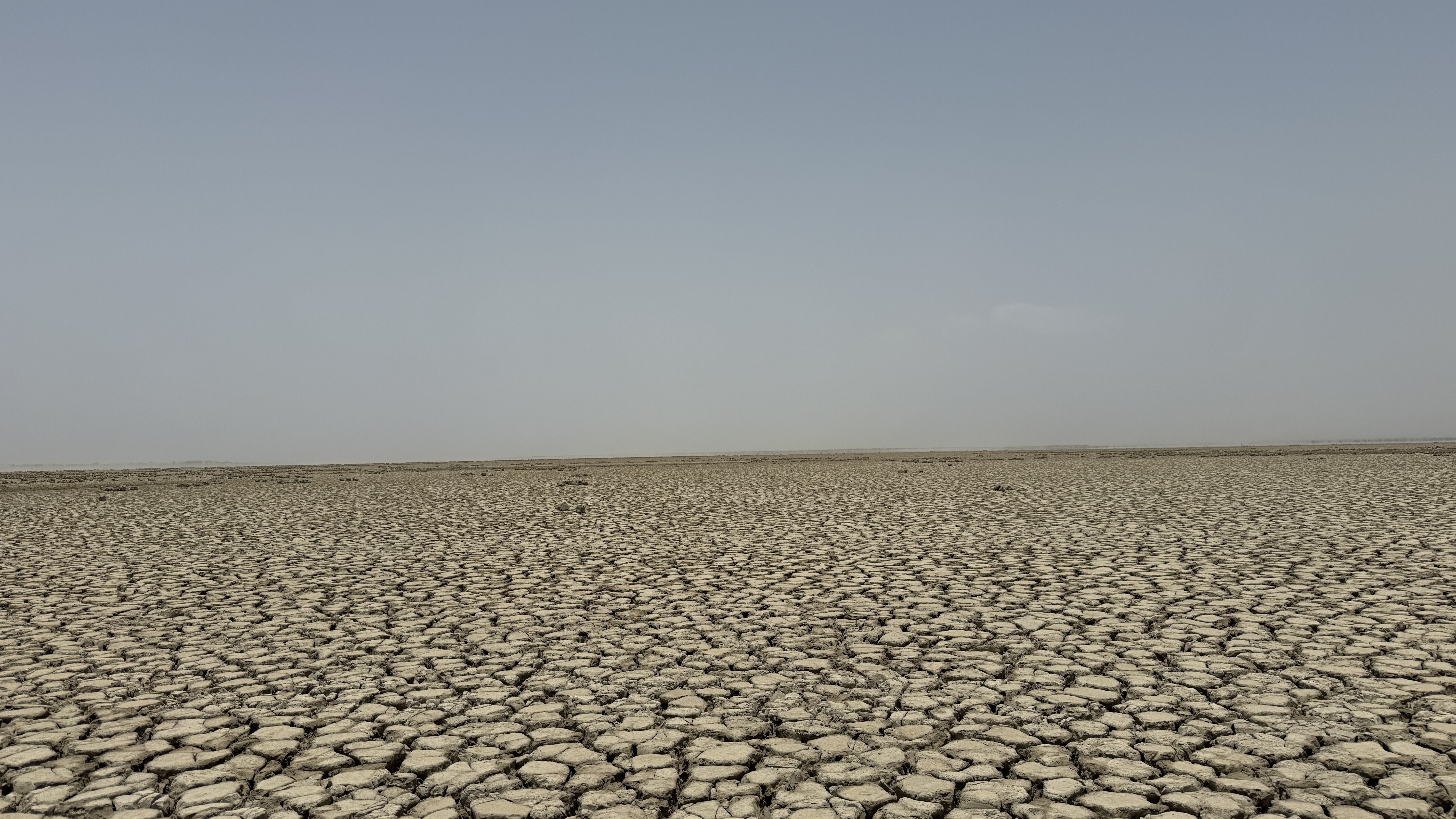
The dried bed of ancient Siranda Lake in Pakistan, a stark reminder of the water shortage crisis confronting South Asia. Image: Sikander Bizenjo
- Water shortages and droughts have a devastating impact, leading to migration and loss of vegetation and livelihoods.
- Countries like Pakistan, which is the eighth most vulnerable country to climate shocks, are particularly at risk.
- But there are low-cost, scalable solutions for South Asian countries to increase their natural water tables.
Having to walk miles every day to fetch drinking water, families in rural Balochistan, in south western Pakistan, know firsthand the severity of the climate crisis. In May 2025, 47 volunteers from the Balochistan Youth Action Committee (BYAC), a grassroots organization working in the province, convened in Quetta for a two-day summit. They were on a mission to identify the most pressing climate challenges of the region. Water shortages and droughts topped their list.
In Pakistan, 70% of domestic water needs are met by groundwater. Ironically, floods have become routine, but despite the downpour during the rainy monsoon season, groundwater remains in short supply.
Pakistan is the eighth most vulnerable country to climate shocks, according to the Global Climate Risk Index. Furthermore, rural parts of the country - like Balochistan - often find themselves on the front lines of this crisis. Marginalized communities bear the heaviest burden of climate shocks, a pattern seen throughout the world. Describing the situation, one 20-year-old BYAC volunteer said: “Life is, if water is.”
The shortage of water has devastating impacts on all. Some of the main challenges that droughts and water shortages bring are: migration, loss of vegetation and loss of livelihoods. But there are low-cost, scalable solutions. Here are three of those that could help South Asian countries like Pakistan increase their natural water tables.
1. Building percolation pits
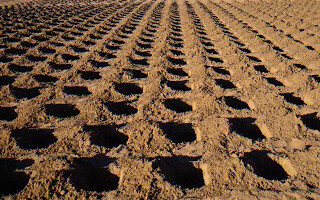
Percolation pits are small dug-out areas filled with stones or gravel that let rainwater soak into the ground. They work like sponges, helping rainwater filter naturally and refill groundwater. In the Sahel region of Africa, percolation pits are known as ‘Zai pits’, a traditional water harvesting and soil restoration technique. During the dry season, farmers dig small basins (20–40 cm wide and 10–20 cm deep), creating around 12,000-25,000 pits per hectare to improve water retention. They capture rainwater and help replenish the natural water table, making it a more efficient and sustainable way to grow crops in dry conditions.
2. Accelerating groundwater recharge
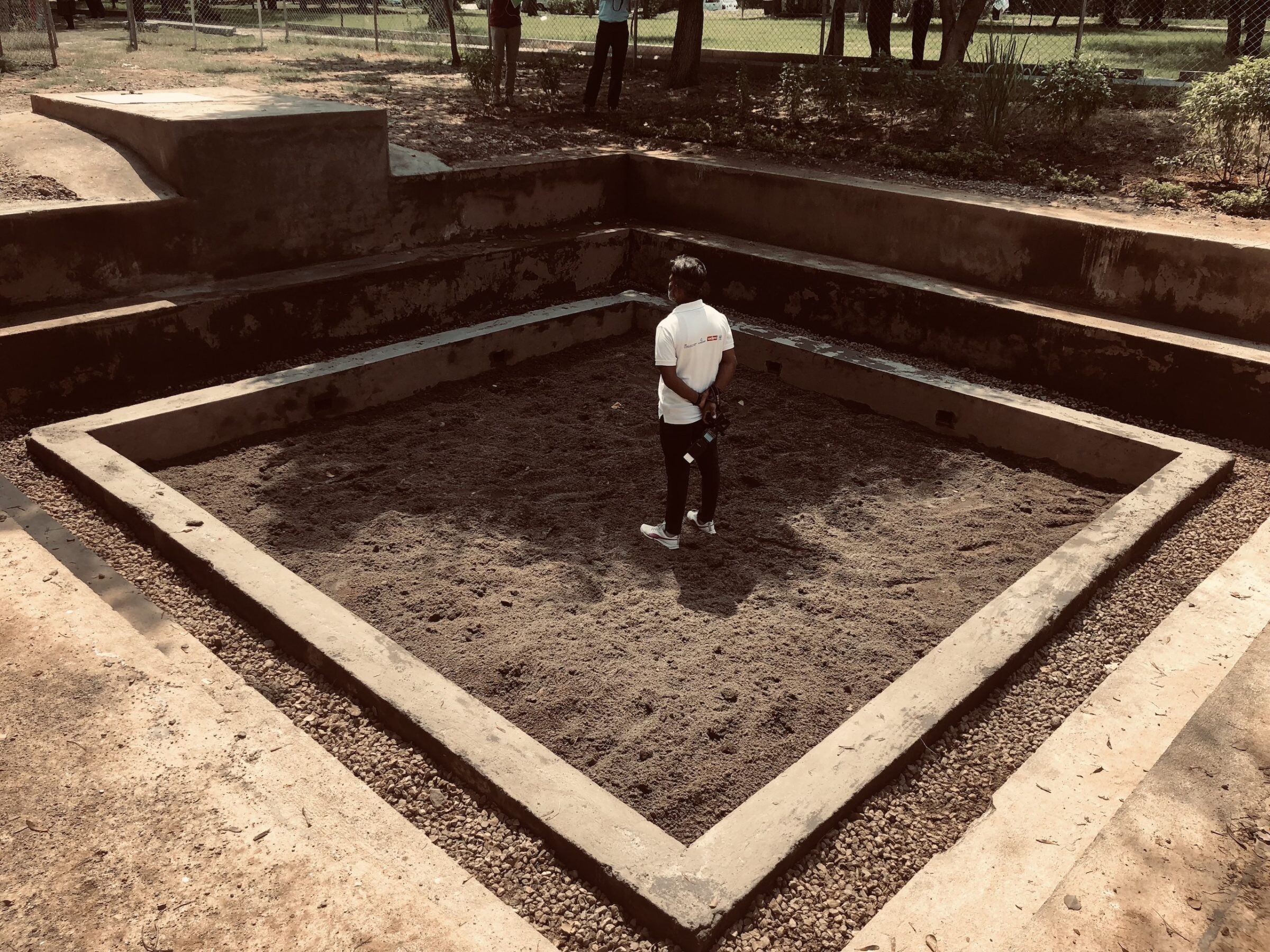
Groundwater recharge is the natural process in which water from rainfall or surface sources infiltrates the ground, replenishing aquifers and sustaining long‑term water availability. It is a cost-effective method that increases the underground water table and also serves as a drainage system during heavy rainfall, helping to reduce urban flooding. The Government of Pakistan piloted 50 ‘recharge wells’, which have conserved over 10 million gallons of water in less than a year. This low-cost approach works in urban centres and rural areas. Housing societies, government buildings and corporate offices can all easily install these wells, which are replenished on rainy days to help boost the overall water table.
3. Planting native trees
Planting native trees improves the natural water table by enhancing soil permeability and promoting rainwater infiltration, while reducing surface runoff. In India’s Aravalli Hills, reforestation with native species, like Dhok (Anogeissus Pendula), has significantly improved groundwater levels and revived seasonal streams. Planting native trees is a win‑win solution, improving groundwater recharge, enhancing biodiversity and strengthening climate resilience.
These approaches share three traits: they are low-cost, community-driven and rapidly deployable. South Asian governments, NGOs and private partners must scale these models now to avert the next wave of climate-driven displacement.
Don't miss any update on this topic
Create a free account and access your personalized content collection with our latest publications and analyses.
License and Republishing
World Economic Forum articles may be republished in accordance with the Creative Commons Attribution-NonCommercial-NoDerivatives 4.0 International Public License, and in accordance with our Terms of Use.
The views expressed in this article are those of the author alone and not the World Economic Forum.
Stay up to date:
SDG 06: Clean Water and Sanitation


Forum Stories newsletter
Bringing you weekly curated insights and analysis on the global issues that matter.
More on Climate Action and Waste Reduction See all

Lin O’Grady and Alice Charles
April 7, 2026


